Dans quelle mesure le robot a-t-il évolué aujourd’hui ?
Au moment où le méta-univers illusoire balaye l'écran à haute fréquence, cette question s'apparente presque à une existence parallèle, attirant notre curiosité. Parce qu’il s’agit du processus de vie intelligente, ainsi que de la qualité et de l’efficacité du fait de laisser les robots nous servir, les humains.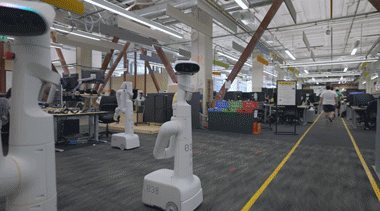
Il existe un tel point de vue : le monde robotique d’aujourd’hui est très similaire au monde informatique d’il y a 50 ans. Il existe de nombreuses discussions et opinions optimistes sur ce que les robots peuvent aider les gens à faire dans leur vie quotidienne, mais ce qui est certain, c'est qu'il reste encore un long chemin à parcourir dans le futur.
La plupart des robots ressemblent aux ordinateurs centraux des années 1960 et 1970 : des machines spécialisées coûteuses, exploitées par des experts et effectuant des tâches spécialisées dans des environnements spécialement conçus.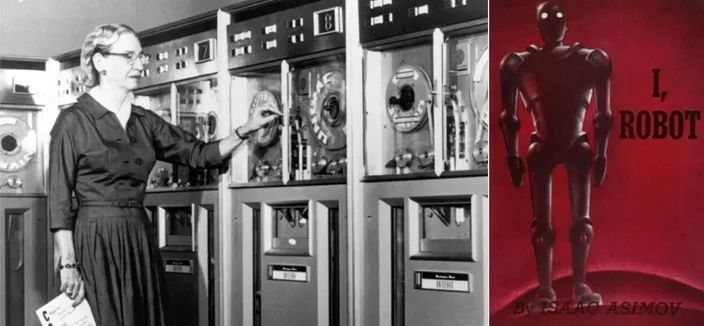
A series of innovations, especially the invention of the microprocessor, made computers cheaper, smaller, and more powerful than anyone thought. At this time, we are also at the node of a similar transformation in robotics. The latest advances in machine learning, coupled with increasingly sophisticated and advanced sensor technology and low-cost hardware, mean that we are closer than ever to making robots mainstream.
We know that humans can naturally combine vision, understanding, navigation and action to walk around and achieve their goals, and robots usually require careful instructions and coding to accomplish these things. This is why robots quickly become very complicated to perform tasks that we consider easy in a highly variable environment.
Il existe actuellement de nombreux acteurs dans divers domaines de services tels que les services à domicile, la distribution de terminaux, le nettoyage commercial et l'orientation et l'explication. Mais quel niveau et quel stade le domaine de la robotique a-t-il atteint ?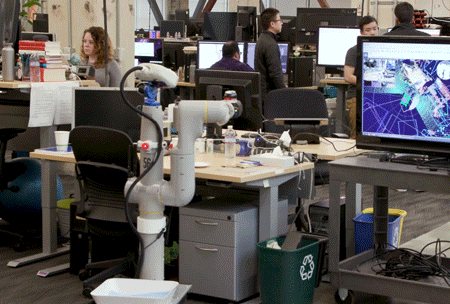
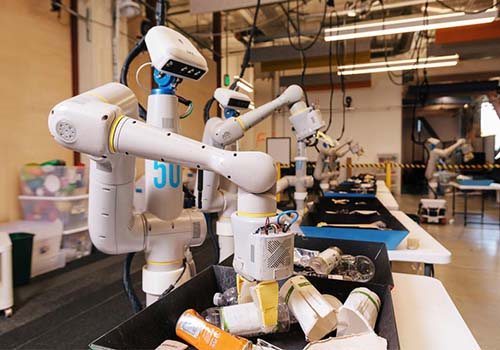
We have noticed that Google, the ceiling-level company in the AI field, has released a noteworthy news that Google’s parent company Alphabet has deployed more than 100 autonomous robots around its offices to perform cleaning, garbage sorting and other simple tasks. This task was contracted to these robots with onboard artificial intelligence software, from Alphabet's Everyday Robots company, which has a sense of immediate vision of raising soldiers for thousands of days.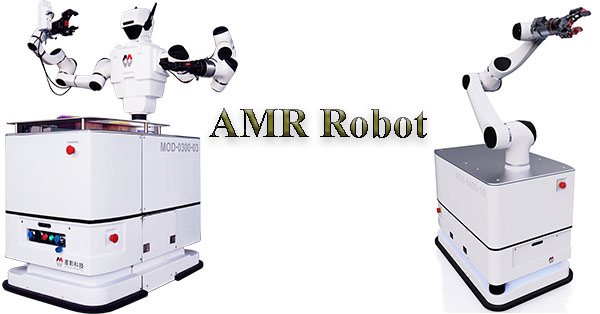
Nous essayons également d'explorer cette entreprise de robots très représentative pour comprendre les capacités que les robots peuvent atteindre aujourd'hui et leur réflexion tournée vers l'avenir.
It is understood that the reason why Alphabet has to deploy so many of its own robots is to build a general-purpose robot that can learn by itself and handle multiple tasks in an "unstructured" environment, instead of just targeting one in a single laboratory environment. Pre-programmed for specific tasks.
Actuellement, environ 100 prototypes sont triés, recyclés et effacés des tables du campus de Google dans la Bay Area.
The main reason for this is to allow robots to function in the daily environment. It is necessary to get rid of the painstaking coding of them, but to complete specific structured tasks at the right time and in the right way. The final conclusion is that engineers must teach machines to perform useful tasks, not just program them. 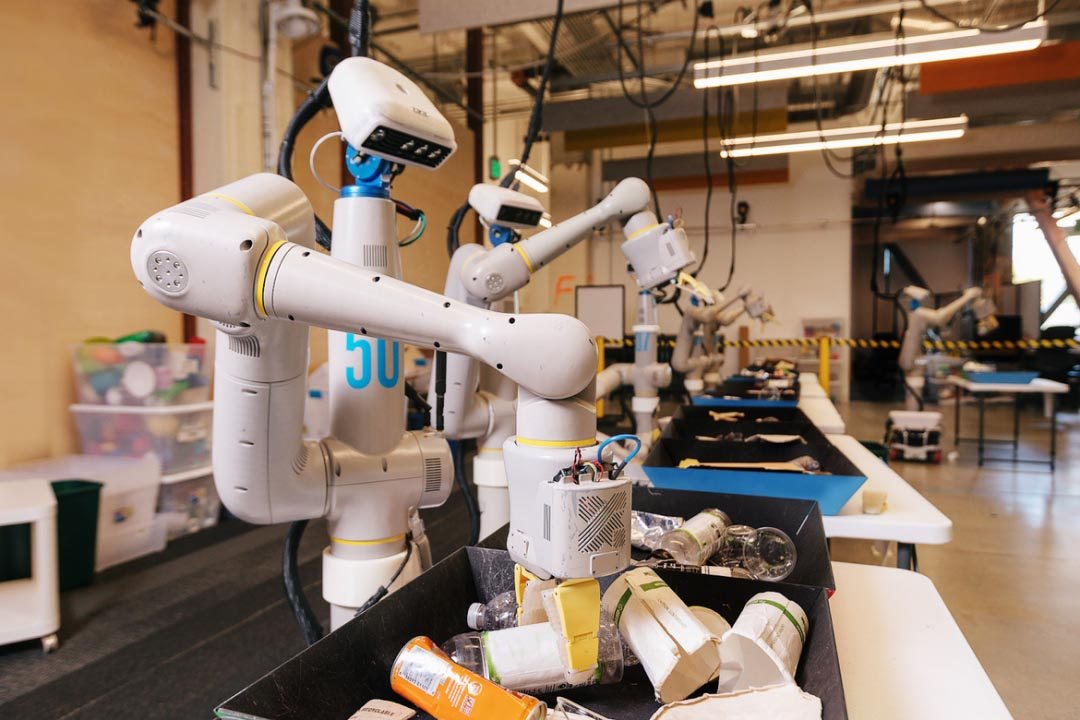
They arranged tasks such as garbage sorting and cleaning for the robots in the office area. In a typical office, because no one screens garbage to check for contamination, it is a very valuable question to let robots do this work. Now the same garbage sorting robot can be equipped with a squeegee to wipe the table, and can learn to open the door with the same gripper that grabs the cup.
Ces machines ont une grande base à roues avec un long poteau s'étendant. Au sommet se trouve un réseau multi-caméras, avec un capteur lidar rotatif situé en dessous pour « comprendre le monde qui vous entoure ».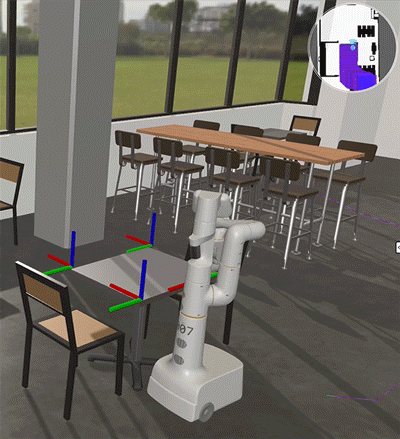
In order for these robots to learn how to complete these tasks, engineers use a variety of machine learning techniques. These include simulation, reinforcement learning and collaborative learning. Every night, tens of thousands of virtual robots practice garbage sorting in a virtual office in a cloud simulator; then transfer their training to real robots to improve their sorting capabilities. This real-world training is then re-integrated into the simulated training data and shared with other robots in order to share the experience and learning of each robot with all robots.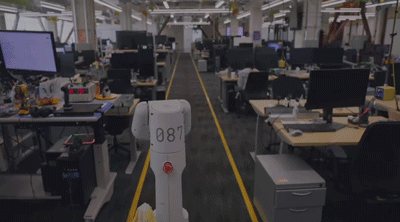
Après un apprentissage d'une telle intensité, il est désormais possible d'apprendre des tâches complexes (par exemple, ouvrir des portes) en une seule journée, avec un taux de réussite plus élevé qu'il y a cinq ans, lorsqu'il fallait « quatre mois » pour saisir des objets.
Au cours des derniers mois, ces robots ont trié des milliers de déchets et réduit le niveau de pollution des déchets dans les bureaux de 20 % (le niveau lorsque les gens mettent des objets sur des palettes) à moins de 5 %.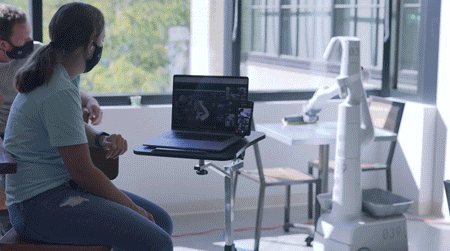
Pris ensemble, ils montrent qu'il est possible de créer unSystème robotique IA that integrates all the functions of the robot and can do some really useful things: reduce the pollution level to less than 5%, and successfully transfer waste from the landfill. Second, they proved that robots can learn how to perform new tasks in the real world through practice, instead of having engineers "hand-write" every new task, anomaly, or improvement.
Pouvez-vous vraiment sentir qu’une telle force venant des robots est à l’origine de l’arrivée d’un monde plus intelligent ? Derrière tout cela se cache une entreprise incontournable, à savoir cette société appelée Everyday Robots. Il est également temps de présenter une partie de ce rôle clé.
Ils sont originaires de la Moon Landing Plant X de Google et ont travaillé avec l’équipe de Google pour construire un nouveau type de robot. Un robot capable d’apprendre tout seul et d’aider n’importe qui (presque) n’importe quoi.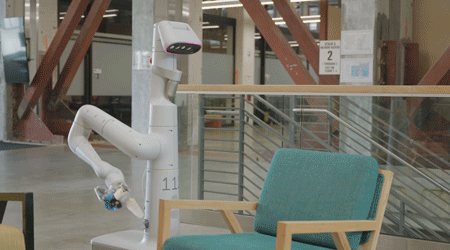
Leur vision est de créer des robots transformateurs dans le monde physique, tout comme le pouvoir transformateur de notre ordinateur dans le monde numérique. Mais pour ce faire, nous devons d’abord résoudre le problème le plus difficile de la robotique : construire des robots capables d’apprendre à nous aider à tout gérer.
Today's robots are very good at three things-strength, precision, and repetition. But they are really bad in other ways: understand the new space and environment, and do more than one thing. In short, their very narrow abilities come from people who program them to solve only one problem in an environment.
So how to crack, in order to bridge the gap between today's single-purpose robots and tomorrow's auxiliary robots, their company is building robots that live in our world and can learn by themselves. This is a multifaceted challenge, even more difficult than making self-driving cars, because robotics has no rules to follow. 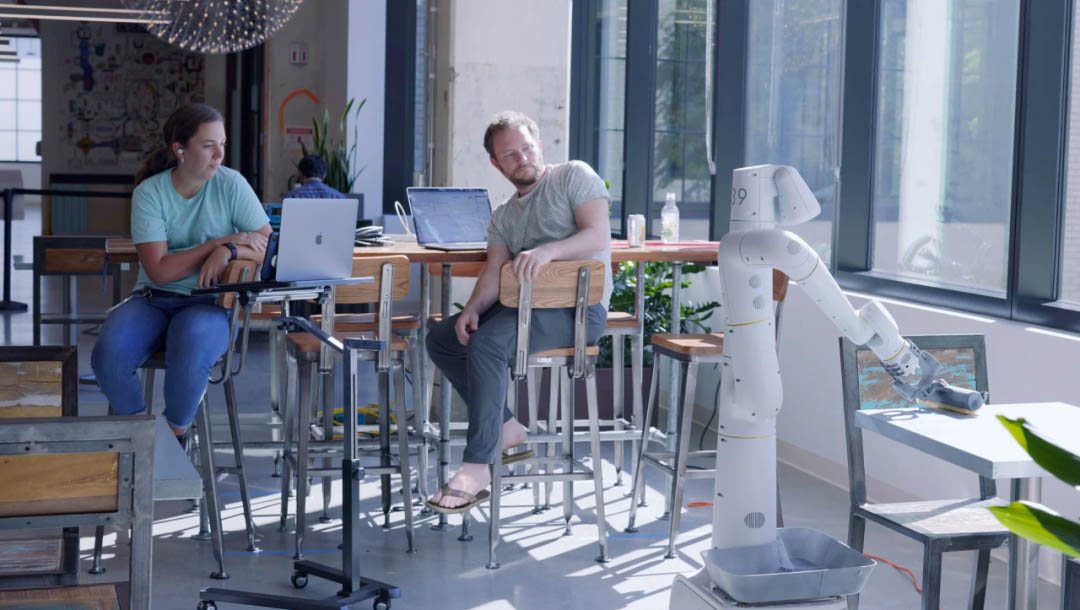
"Nous nous éloignons d'un monde où les robots doivent être soigneusement codés et nous dirigeons vers un avenir où les robots peuvent apprendre." C’est l’objectif sur lequel Everyday Robots a toujours insisté.
They seek to turn the assistant robots in science fiction into reality. Doing so requires solving the most difficult problems in robotics. Once reached, this can solve the small problems that take up billions of hours a day and provide people all over the world with precious time to do things that can unleash our potential.
Compared with the meta-universe, aside from the virtual world, robots may be more real. Once the technology and products are mature, it will push humans to trust robots to handle time-consuming, repetitive and boring daily tasks. A world in which we can choose to spend our time on things that really matter will also come out.
Service AI Robot ; serveuse robot ; serveur robot.