หุ่นยนต์มีการพัฒนาไปถึงไหนแล้ว?
ในขณะที่เมตาจักรวาลลวงตาปัดหน้าจอด้วยความถี่สูง คำถามนี้เกือบจะเหมือนกับการมีอยู่คู่ขนานที่ดึงดูดความอยากรู้อยากเห็นของเรา เพราะมันเกี่ยวกับกระบวนการของชีวิตที่ชาญฉลาด และคุณภาพและประสิทธิภาพของการให้หุ่นยนต์รับใช้มนุษย์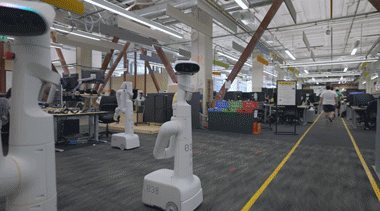
มีมุมมองเช่นนี้: โลกหุ่นยนต์ในปัจจุบันมีความคล้ายคลึงกับโลกคอมพิวเตอร์เมื่อ 50 ปีที่แล้วมาก มีการพูดคุยกันมากมายและมีมุมมองในแง่ดีเกี่ยวกับสิ่งที่หุ่นยนต์สามารถช่วยผู้คนในชีวิตประจำวันได้ แต่สิ่งที่แน่นอนก็คือเส้นทางข้างหน้ายังอีกยาวไกล
หุ่นยนต์ส่วนใหญ่เป็นเหมือนคอมพิวเตอร์เมนเฟรมในทศวรรษ 1960 และ 1970: เครื่องจักรเฉพาะทางราคาแพง ดำเนินการโดยผู้เชี่ยวชาญ และปฏิบัติงานเฉพาะทางในสภาพแวดล้อมที่ออกแบบมาเป็นพิเศษ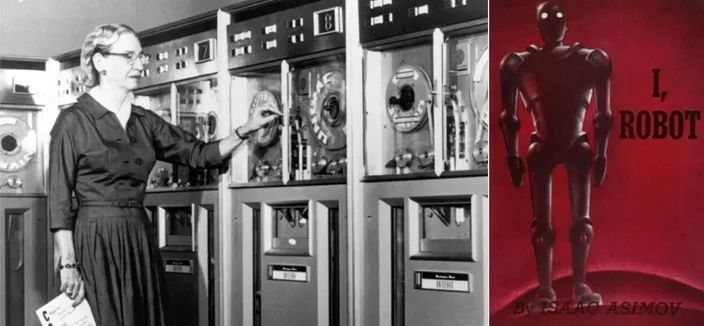
A series of innovations, especially the invention of the microprocessor, made computers cheaper, smaller, and more powerful than anyone thought. At this time, we are also at the node of a similar transformation in robotics. The latest advances in machine learning, coupled with increasingly sophisticated and advanced sensor technology and low-cost hardware, mean that we are closer than ever to making robots mainstream.
We know that humans can naturally combine vision, understanding, navigation and action to walk around and achieve their goals, and robots usually require careful instructions and coding to accomplish these things. This is why robots quickly become very complicated to perform tasks that we consider easy in a highly variable environment.
ปัจจุบันมีผู้เล่นจำนวนมากในพื้นที่บริการต่างๆ เช่น บริการเกี่ยวกับบ้าน การกระจายสินค้า การทำความสะอาดเชิงพาณิชย์ ตลอดจนคำแนะนำและคำอธิบาย แต่สาขาวิทยาการหุ่นยนต์ไปถึงระดับไหนแล้ว?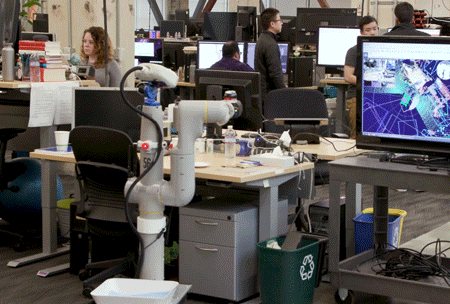
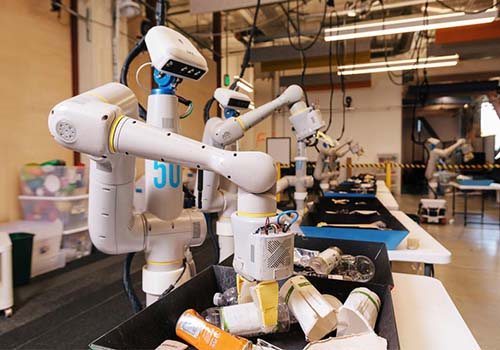
We have noticed that Google, the ceiling-level company in the AI field, has released a noteworthy news that Google’s parent company Alphabet has deployed more than 100 autonomous robots around its offices to perform cleaning, garbage sorting and other simple tasks. This task was contracted to these robots with onboard artificial intelligence software, from Alphabet's Everyday Robots company, which has a sense of immediate vision of raising soldiers for thousands of days.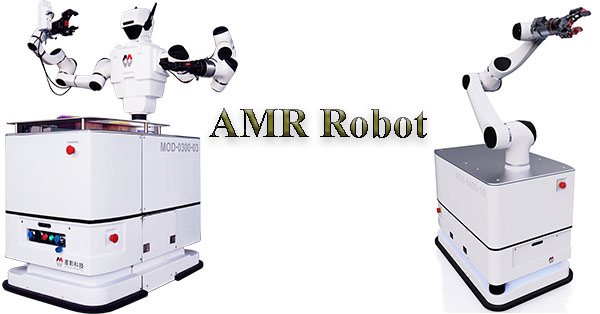
นอกจากนี้เรายังพยายามสำรวจบริษัทหุ่นยนต์ที่เป็นตัวแทนแห่งนี้เพื่อทำความเข้าใจความสามารถที่หุ่นยนต์สามารถเข้าถึงได้ในขณะนี้และความคิดที่มุ่งเน้นอนาคตของพวกเขา
It is understood that the reason why Alphabet has to deploy so many of its own robots is to build a general-purpose robot that can learn by itself and handle multiple tasks in an "unstructured" environment, instead of just targeting one in a single laboratory environment. Pre-programmed for specific tasks.
ปัจจุบัน มีต้นแบบประมาณ 100 ชิ้นกำลังได้รับการคัดแยก รีไซเคิล และเช็ดโต๊ะในวิทยาเขตของ Google ในบริเวณอ่าว
The main reason for this is to allow robots to function in the daily environment. It is necessary to get rid of the painstaking coding of them, but to complete specific structured tasks at the right time and in the right way. The final conclusion is that engineers must teach machines to perform useful tasks, not just program them. 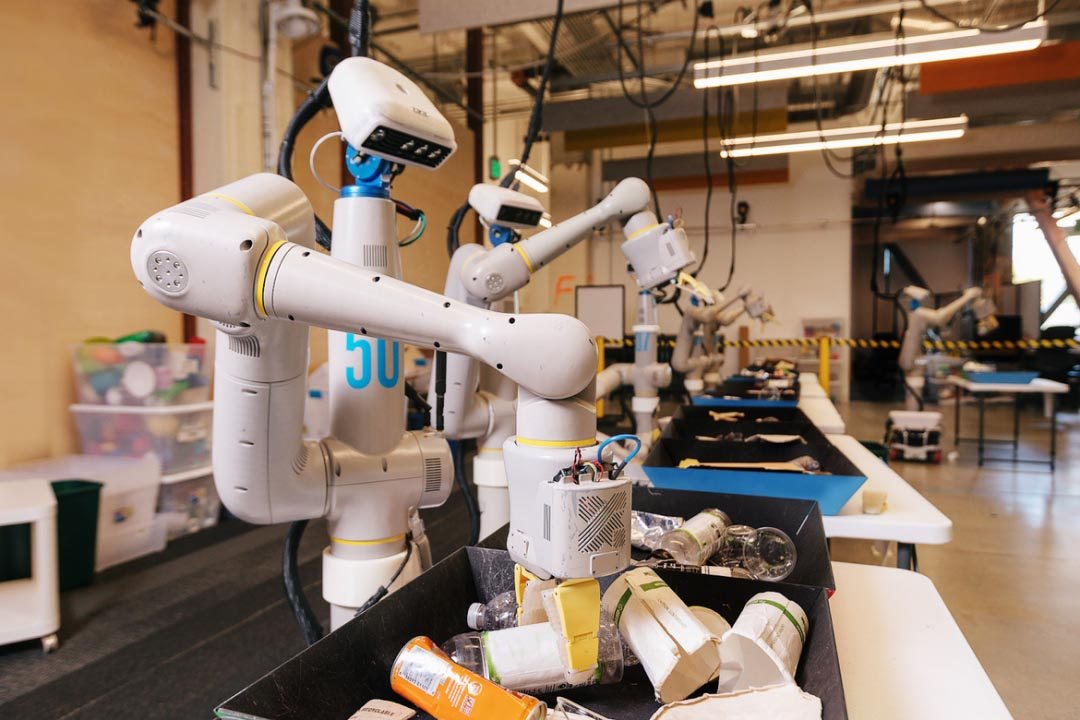
They arranged tasks such as garbage sorting and cleaning for the robots in the office area. In a typical office, because no one screens garbage to check for contamination, it is a very valuable question to let robots do this work. Now the same garbage sorting robot can be equipped with a squeegee to wipe the table, and can learn to open the door with the same gripper that grabs the cup.
เครื่องจักรเหล่านี้มีฐานล้อขนาดใหญ่และมีเสายาวยื่นออกมา ที่ด้านบนเป็นอาร์เรย์กล้องหลายตัว โดยมีเซ็นเซอร์ LIDAR แบบหมุนได้ที่ด้านล่างเพื่อ "ทำความเข้าใจโลกรอบตัวคุณ"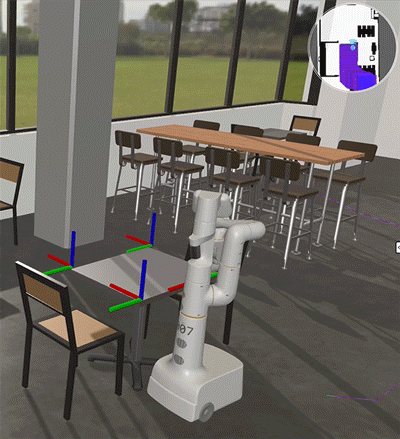
In order for these robots to learn how to complete these tasks, engineers use a variety of machine learning techniques. These include simulation, reinforcement learning and collaborative learning. Every night, tens of thousands of virtual robots practice garbage sorting in a virtual office in a cloud simulator; then transfer their training to real robots to improve their sorting capabilities. This real-world training is then re-integrated into the simulated training data and shared with other robots in order to share the experience and learning of each robot with all robots.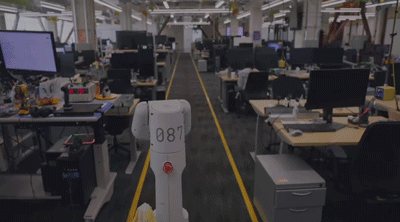
หลังจากการเรียนรู้แบบเข้มข้นดังกล่าว ตอนนี้คุณสามารถเรียนรู้งานที่ซับซ้อน (เช่น การเปิดประตู) ได้ภายในหนึ่งวัน โดยมีอัตราความสำเร็จสูงกว่าเมื่อห้าปีที่แล้ว ซึ่งใช้เวลา "สี่เดือน" เพื่อจับวัตถุ
ในช่วงไม่กี่เดือนที่ผ่านมา หุ่นยนต์เหล่านี้ได้คัดแยกขยะหลายพันชิ้น และลดระดับมลภาวะของขยะในสำนักงานจาก 20% (ระดับที่ผู้คนนำสิ่งของใส่พาเลท) เหลือน้อยกว่า 5%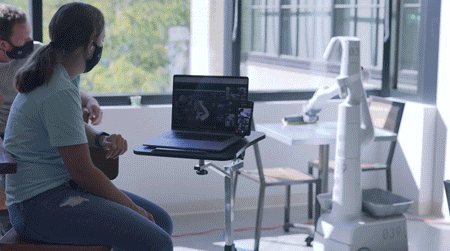
เมื่อนำมารวมกันแสดงว่ามีความเป็นไปได้ที่จะสร้างระบบหุ่นยนต์เอไอ that integrates all the functions of the robot and can do some really useful things: reduce the pollution level to less than 5%, and successfully transfer waste from the landfill. Second, they proved that robots can learn how to perform new tasks in the real world through practice, instead of having engineers "hand-write" every new task, anomaly, or improvement.
คุณรู้สึกไหมว่าพลังดังกล่าวจากหุ่นยนต์กำลังขับเคลื่อนการมาถึงของโลกที่ชาญฉลาดยิ่งขึ้น? เบื้องหลังคือบริษัทที่ไม่สามารถหลีกเลี่ยงได้ และนั่นคือบริษัทที่เรียกว่า Everyday Robots ถึงเวลาแนะนำบทบาทสำคัญบางประการนี้แล้ว
มีต้นกำเนิดมาจาก Moon Landing Plant X ของ Google และทำงานร่วมกับทีมของ Google เพื่อสร้างหุ่นยนต์ประเภทใหม่ หุ่นยนต์ที่สามารถเรียนรู้ได้ด้วยตัวเองและช่วยเหลือใครก็ได้ (เกือบ) อะไรก็ได้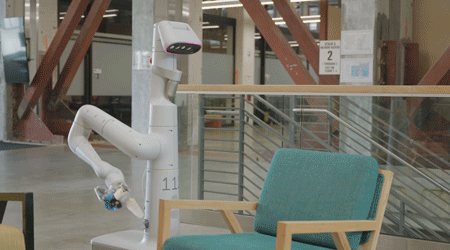
วิสัยทัศน์ของพวกเขาคือการสร้างหุ่นยนต์ที่สามารถเปลี่ยนแปลงโลกทางกายภาพได้ เช่นเดียวกับพลังในการเปลี่ยนแปลงของคอมพิวเตอร์ของเราในโลกดิจิทัล แต่การจะทำสิ่งนี้ได้ ก่อนอื่นเราต้องแก้ปัญหาที่ยากที่สุดในหุ่นยนต์สร้างหุ่นยนต์ ซึ่งสามารถเรียนรู้วิธีที่จะช่วยเราจัดการทุกอย่างได้
Today's robots are very good at three things-strength, precision, and repetition. But they are really bad in other ways: understand the new space and environment, and do more than one thing. In short, their very narrow abilities come from people who program them to solve only one problem in an environment.
So how to crack, in order to bridge the gap between today's single-purpose robots and tomorrow's auxiliary robots, their company is building robots that live in our world and can learn by themselves. This is a multifaceted challenge, even more difficult than making self-driving cars, because robotics has no rules to follow. 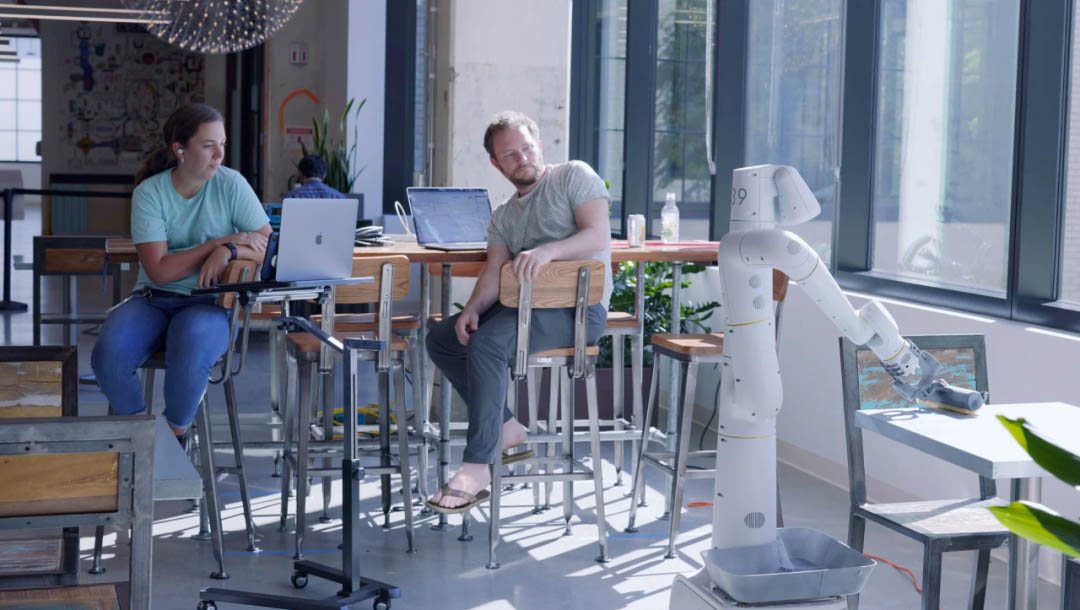
"เรากำลังเคลื่อนตัวออกจากโลกที่หุ่นยนต์ต้องได้รับการเข้ารหัสอย่างระมัดระวัง และมุ่งสู่อนาคตที่หุ่นยนต์สามารถเรียนรู้ได้" นี่คือเป้าหมายที่ Everyday Robots ให้ความสำคัญมาโดยตลอด
They seek to turn the assistant robots in science fiction into reality. Doing so requires solving the most difficult problems in robotics. Once reached, this can solve the small problems that take up billions of hours a day and provide people all over the world with precious time to do things that can unleash our potential.
Compared with the meta-universe, aside from the virtual world, robots may be more real. Once the technology and products are mature, it will push humans to trust robots to handle time-consuming, repetitive and boring daily tasks. A world in which we can choose to spend our time on things that really matter will also come out.
บริการ AI หุ่นยนต์ หุ่นยนต์พนักงานเสิร์ฟ หุ่นยนต์พนักงานเสิร์ฟ