Robot şu anda ne kadar gelişti?
Hayali meta-evrenin ekranı yüksek frekansta kaydırdığı şu anda, adeta paralel bir varoluş gibi olan bu soru merakımızı çekiyor. Çünkü bu, akıllı yaşam süreciyle ve robotların biz insanlara hizmet etmesinin kalitesi ve verimliliğiyle ilgili.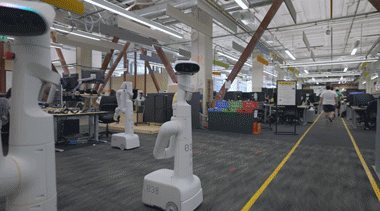
Şöyle bir görüş var: Günümüzün robot dünyası, 50 yıl önceki bilgisayar dünyasına çok benziyor. Robotların insanların günlük yaşamlarında neler yapmasına yardımcı olabileceği konusunda pek çok tartışma ve iyimser görüş var, ancak kesin olan şu ki gelecekte kat edilecek daha uzun bir yol var.
Çoğu robot, 1960'lı ve 1970'li yıllardaki ana bilgisayarlara benziyor: uzmanlar tarafından çalıştırılan ve özel olarak tasarlanmış ortamlarda özel görevleri yerine getiren pahalı, özel makineler.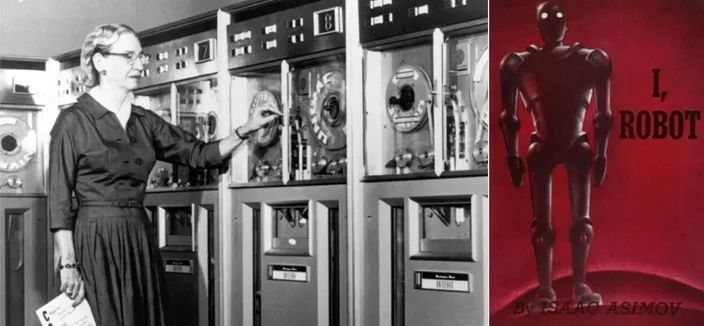
A series of innovations, especially the invention of the microprocessor, made computers cheaper, smaller, and more powerful than anyone thought. At this time, we are also at the node of a similar transformation in robotics. The latest advances in machine learning, coupled with increasingly sophisticated and advanced sensor technology and low-cost hardware, mean that we are closer than ever to making robots mainstream.
We know that humans can naturally combine vision, understanding, navigation and action to walk around and achieve their goals, and robots usually require careful instructions and coding to accomplish these things. This is why robots quickly become very complicated to perform tasks that we consider easy in a highly variable environment.
Şu anda ev hizmetleri, terminal dağıtımı, ticari temizlik ve rehberlik ve anlatım gibi çeşitli hizmet alanlarında çok sayıda oyuncu bulunmaktadır. Peki robotik alanı hangi aşamaya ve aşamaya geldi?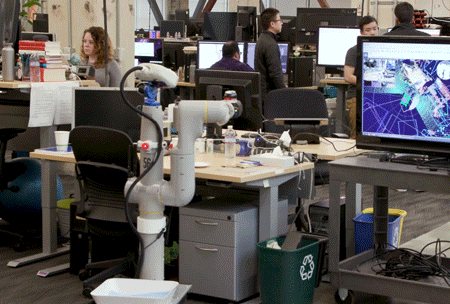
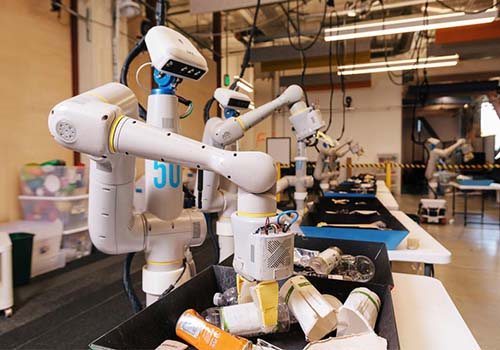
We have noticed that Google, the ceiling-level company in the AI field, has released a noteworthy news that Google’s parent company Alphabet has deployed more than 100 autonomous robots around its offices to perform cleaning, garbage sorting and other simple tasks. This task was contracted to these robots with onboard artificial intelligence software, from Alphabet's Everyday Robots company, which has a sense of immediate vision of raising soldiers for thousands of days.
Robotların şu anda erişebilecekleri yetenekleri ve geleceğe yönelik düşüncelerini anlamak için bu temsili robot şirketini de keşfetmeye çalışıyoruz.
It is understood that the reason why Alphabet has to deploy so many of its own robots is to build a general-purpose robot that can learn by itself and handle multiple tasks in an "unstructured" environment, instead of just targeting one in a single laboratory environment. Pre-programmed for specific tasks.
Şu anda Körfez Bölgesi'ndeki Google kampüsünde yaklaşık 100 prototip ayıklanıyor, geri dönüştürülüyor ve masalardan siliniyor.
The main reason for this is to allow robots to function in the daily environment. It is necessary to get rid of the painstaking coding of them, but to complete specific structured tasks at the right time and in the right way. The final conclusion is that engineers must teach machines to perform useful tasks, not just program them. 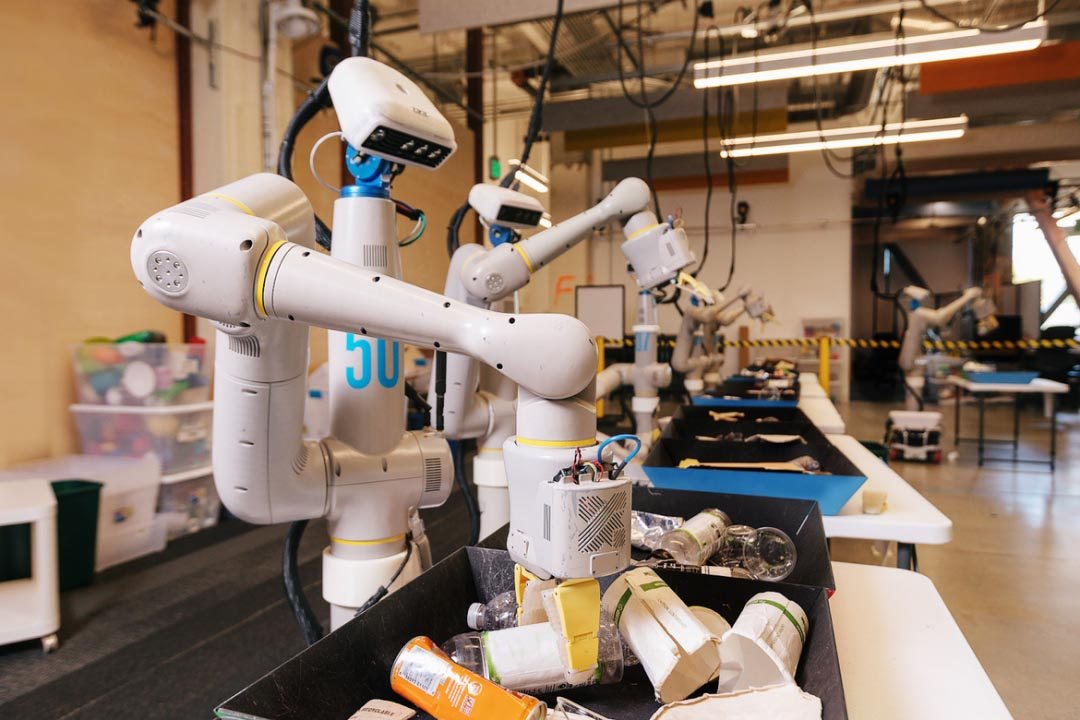
They arranged tasks such as garbage sorting and cleaning for the robots in the office area. In a typical office, because no one screens garbage to check for contamination, it is a very valuable question to let robots do this work. Now the same garbage sorting robot can be equipped with a squeegee to wipe the table, and can learn to open the door with the same gripper that grabs the cup.
Bu makineler, uzun bir direği dışarı uzanan geniş bir tekerlek tabanına sahiptir. Üst kısımda, "çevrenizdeki dünyayı anlamak" için altta bulunan dönen bir lidar sensörüne sahip çoklu kamera dizisi bulunur.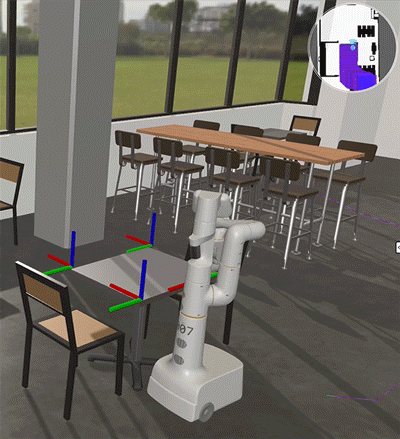
In order for these robots to learn how to complete these tasks, engineers use a variety of machine learning techniques. These include simulation, reinforcement learning and collaborative learning. Every night, tens of thousands of virtual robots practice garbage sorting in a virtual office in a cloud simulator; then transfer their training to real robots to improve their sorting capabilities. This real-world training is then re-integrated into the simulated training data and shared with other robots in order to share the experience and learning of each robot with all robots.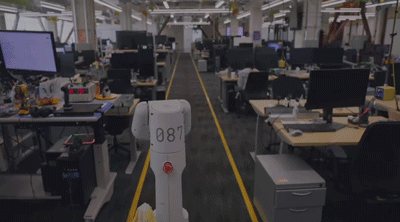
Bu kadar yüksek yoğunluklu öğrenmenin ardından artık karmaşık görevleri (örneğin, kapıları açmak) bir günde, nesneleri kavramanın "dört ay" sürdüğü beş yıl öncesine göre daha yüksek bir başarı oranıyla öğrenmek mümkün.
Geçtiğimiz birkaç ayda bu robotlar binlerce çöp parçasını ayırdı ve ofisteki çöp kirliliği seviyesini %20'den (insanların eşyaları paletlere koyduğu seviye) %5'in altına düşürdü.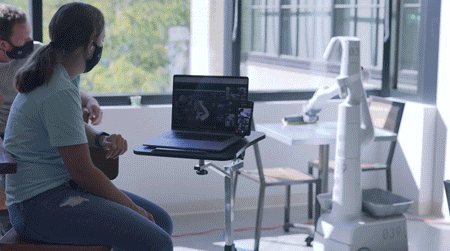
Hepsi birlikte ele alındığında, bir yaratmanın mümkün olduğunu gösteriyorlar.Yapay zeka robot sistemi that integrates all the functions of the robot and can do some really useful things: reduce the pollution level to less than 5%, and successfully transfer waste from the landfill. Second, they proved that robots can learn how to perform new tasks in the real world through practice, instead of having engineers "hand-write" every new task, anomaly, or improvement.
Robotların böylesine bir gücünün daha akıllı bir dünyanın gelişini tetiklediğini gerçekten hissedebiliyor musunuz? Bunun arkasında kaçınılması mümkün olmayan bir şirket var ve o da Everyday Robots adlı şirket. Ayrıca bu kilit rolün bir kısmını tanıtmanın zamanı geldi.
Google'ın Ay'a İniş Tesisi X'ten kaynaklandılar ve yeni bir robot türü oluşturmak için Google'ın ekibiyle birlikte çalıştılar. Kendi kendine öğrenebilen ve herkese (neredeyse) her konuda yardım edebilen bir robot.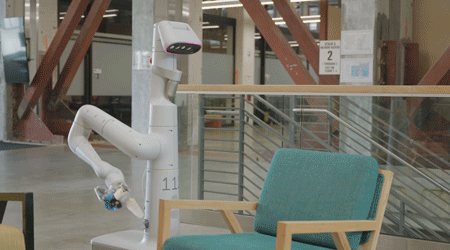
Vizyonları, bilgisayarımızın dijital dünyadaki dönüştürücü gücü gibi, fiziksel dünyayı da dönüştüren robotlar yaratmaktır. Ancak bunu yapabilmek için öncelikle, her şeyin üstesinden gelmemize nasıl yardımcı olabileceğini öğrenebilen robotlar inşa etme konusundaki en zor sorunu çözmemiz gerekiyor.
Today's robots are very good at three things-strength, precision, and repetition. But they are really bad in other ways: understand the new space and environment, and do more than one thing. In short, their very narrow abilities come from people who program them to solve only one problem in an environment.
So how to crack, in order to bridge the gap between today's single-purpose robots and tomorrow's auxiliary robots, their company is building robots that live in our world and can learn by themselves. This is a multifaceted challenge, even more difficult than making self-driving cars, because robotics has no rules to follow. 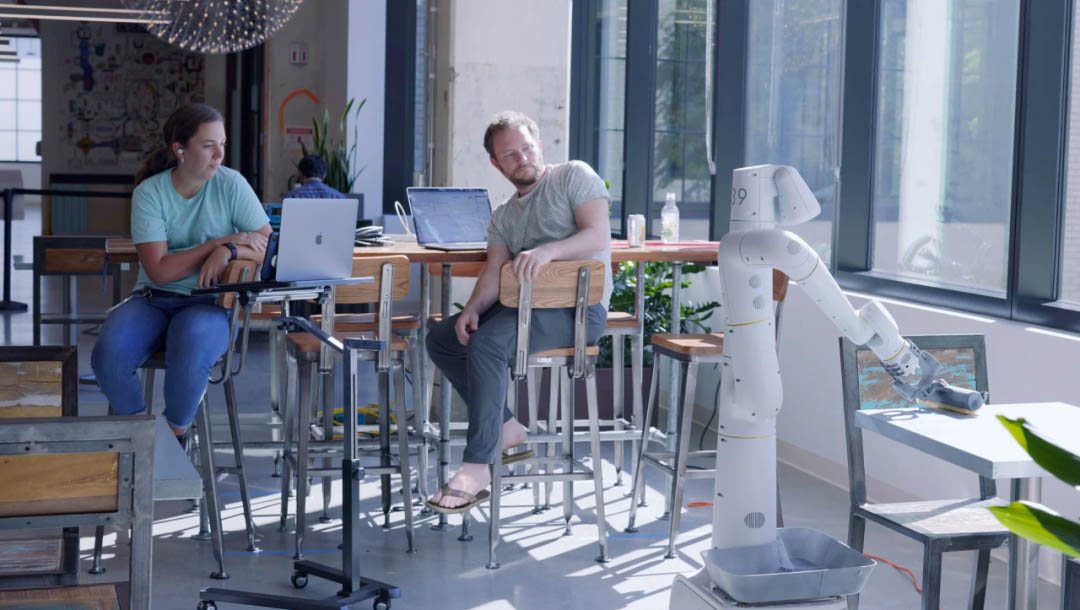
"Robotların dikkatle kodlanması gereken bir dünyadan, robotların öğrenebileceği bir geleceğe doğru ilerliyoruz." Everyday Robots'un her zaman vurguladığı hedef budur.
They seek to turn the assistant robots in science fiction into reality. Doing so requires solving the most difficult problems in robotics. Once reached, this can solve the small problems that take up billions of hours a day and provide people all over the world with precious time to do things that can unleash our potential.
Compared with the meta-universe, aside from the virtual world, robots may be more real. Once the technology and products are mature, it will push humans to trust robots to handle time-consuming, repetitive and boring daily tasks. A world in which we can choose to spend our time on things that really matter will also come out.
AI hizmet Robotu; robot garson; robot garson.