현재 로봇은 어느 정도 발전했나요?
환상의 메타세계가 화면을 고주파로 스쳐가는 순간, 이 질문은 거의 평행의 존재처럼 우리의 호기심을 불러일으킨다. 왜냐하면 그것은 지능적인 삶의 과정과 로봇이 우리 인간에게 봉사하는 것의 품질과 효율성에 관한 것이기 때문입니다.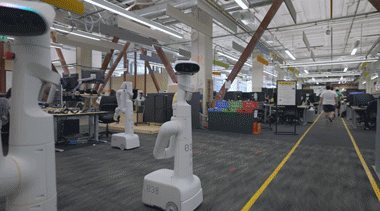
다음과 같은 견해가 있습니다. 오늘날의 로봇 세계는 50년 전의 컴퓨터 세계와 매우 유사합니다. 로봇이 사람들의 일상생활에 어떤 도움을 줄 수 있는지에 대해 많은 논의와 낙관적인 견해가 있지만, 확실한 것은 앞으로도 갈 길이 멀다는 것입니다.
대부분의 로봇은 1960년대와 1970년대의 메인프레임 컴퓨터와 같습니다. 고가의 특수 기계로 전문가가 작동하고 특별히 설계된 환경에서 특수 작업을 수행합니다.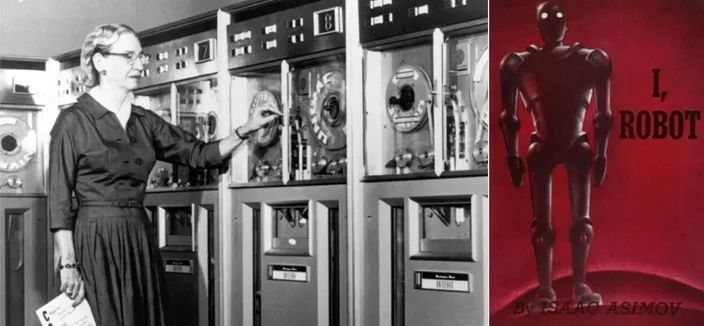
A series of innovations, especially the invention of the microprocessor, made computers cheaper, smaller, and more powerful than anyone thought. At this time, we are also at the node of a similar transformation in robotics. The latest advances in machine learning, coupled with increasingly sophisticated and advanced sensor technology and low-cost hardware, mean that we are closer than ever to making robots mainstream.
We know that humans can naturally combine vision, understanding, navigation and action to walk around and achieve their goals, and robots usually require careful instructions and coding to accomplish these things. This is why robots quickly become very complicated to perform tasks that we consider easy in a highly variable environment.
현재 홈 서비스, 단말기 유통, 상업용 청소, 안내 및 설명 등 다양한 서비스 영역에 많은 플레이어가 있습니다. 그런데 로봇공학 분야는 어느 수준, 어느 단계에 이르렀는가?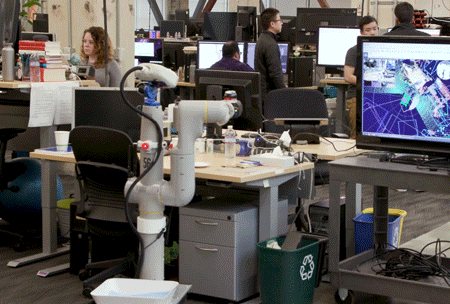
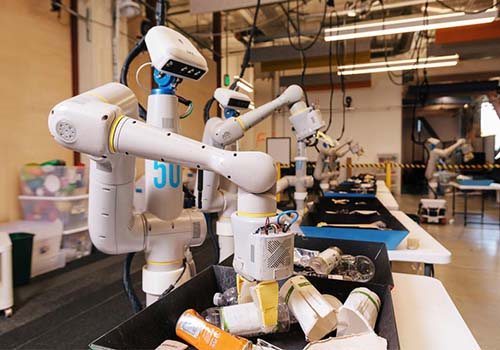
We have noticed that Google, the ceiling-level company in the AI field, has released a noteworthy news that Google’s parent company Alphabet has deployed more than 100 autonomous robots around its offices to perform cleaning, garbage sorting and other simple tasks. This task was contracted to these robots with onboard artificial intelligence software, from Alphabet's Everyday Robots company, which has a sense of immediate vision of raising soldiers for thousands of days.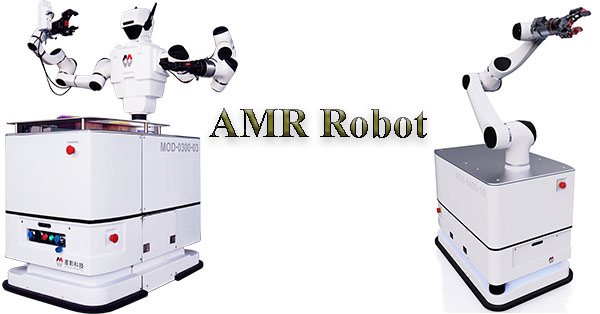
우리는 또한 로봇이 현재 도달할 수 있는 능력과 미래지향적인 사고를 이해하기 위해 매우 대표적인 로봇 회사인 이 회사를 탐구하려고 노력하고 있습니다.
It is understood that the reason why Alphabet has to deploy so many of its own robots is to build a general-purpose robot that can learn by itself and handle multiple tasks in an "unstructured" environment, instead of just targeting one in a single laboratory environment. Pre-programmed for specific tasks.
현재 베이 지역의 Google 캠퍼스에서는 약 100개의 프로토타입이 분류, 재활용 및 테이블에서 지워지고 있습니다.
The main reason for this is to allow robots to function in the daily environment. It is necessary to get rid of the painstaking coding of them, but to complete specific structured tasks at the right time and in the right way. The final conclusion is that engineers must teach machines to perform useful tasks, not just program them. 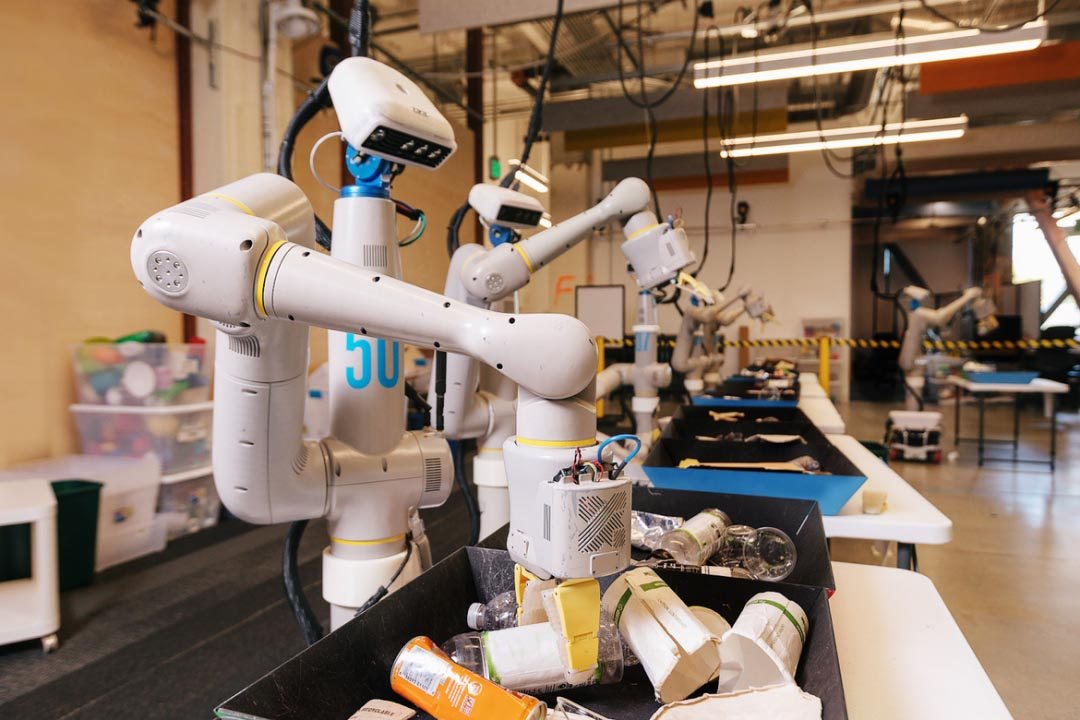
They arranged tasks such as garbage sorting and cleaning for the robots in the office area. In a typical office, because no one screens garbage to check for contamination, it is a very valuable question to let robots do this work. Now the same garbage sorting robot can be equipped with a squeegee to wipe the table, and can learn to open the door with the same gripper that grabs the cup.
이 기계에는 긴 기둥이 뻗어 있는 커다란 바퀴형 베이스가 있습니다. 상단에는 "주변 세계를 이해"하기 위한 회전식 LiDAR 센서가 있는 멀티 카메라 어레이가 있습니다.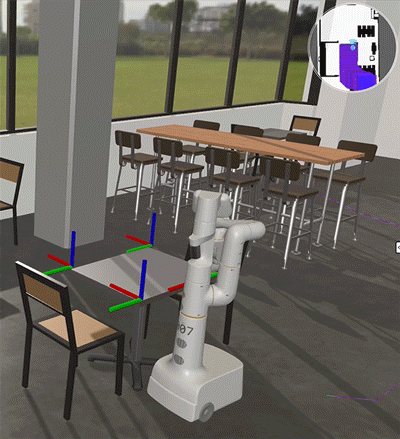
In order for these robots to learn how to complete these tasks, engineers use a variety of machine learning techniques. These include simulation, reinforcement learning and collaborative learning. Every night, tens of thousands of virtual robots practice garbage sorting in a virtual office in a cloud simulator; then transfer their training to real robots to improve their sorting capabilities. This real-world training is then re-integrated into the simulated training data and shared with other robots in order to share the experience and learning of each robot with all robots.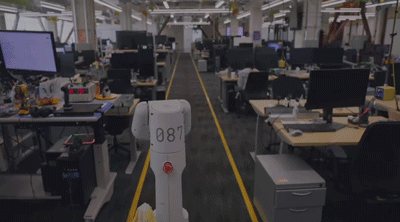
이러한 고강도 학습을 통해 이제는 복잡한 작업(예: 문 열기)을 하루 만에 학습할 수 있으며, 물건을 잡는 데 '4개월'이 걸렸던 5년 전보다 성공률이 높아졌습니다.
지난 몇 달 동안 이 로봇들은 수천 개의 쓰레기를 분류해 사무실 내 쓰레기 오염 수준을 20%(사람들이 물건을 팔레트에 담는 수준)에서 5% 미만으로 줄였습니다.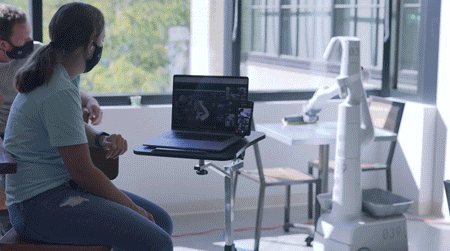
종합해보면, 그들은 창조가 가능하다는 것을 보여줍니다.AI 로봇 시스템 that integrates all the functions of the robot and can do some really useful things: reduce the pollution level to less than 5%, and successfully transfer waste from the landfill. Second, they proved that robots can learn how to perform new tasks in the real world through practice, instead of having engineers "hand-write" every new task, anomaly, or improvement.
로봇의 힘이 더 스마트한 세상을 이끌고 있다는 것을 정말로 느낄 수 있나요? 그 뒤에는 피할 수 없는 그런 회사가 있는데, 바로 에브리데이로봇(Everyday Robots)이라는 회사이다. 또한 이 핵심 역할 중 일부를 소개할 시간입니다.
그들은 Google의 Moon Landing Plant X에서 시작되었으며 Google 팀과 협력하여 새로운 유형의 로봇을 제작했습니다. 스스로 학습할 수 있고 누구에게나 (거의) 무엇이든 도울 수 있는 로봇입니다.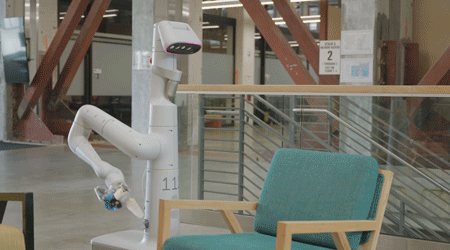
그들의 비전은 디지털 세계에서 컴퓨터의 변혁적인 힘과 마찬가지로 물리적 세계를 변혁하는 로봇을 만드는 것입니다. 하지만 그러기 위해서는 먼저 우리가 모든 것을 처리하는 데 도움을 주는 방법을 배울 수 있는 로봇 제작 로봇의 가장 어려운 문제를 해결해야 합니다.
Today's robots are very good at three things-strength, precision, and repetition. But they are really bad in other ways: understand the new space and environment, and do more than one thing. In short, their very narrow abilities come from people who program them to solve only one problem in an environment.
So how to crack, in order to bridge the gap between today's single-purpose robots and tomorrow's auxiliary robots, their company is building robots that live in our world and can learn by themselves. This is a multifaceted challenge, even more difficult than making self-driving cars, because robotics has no rules to follow. 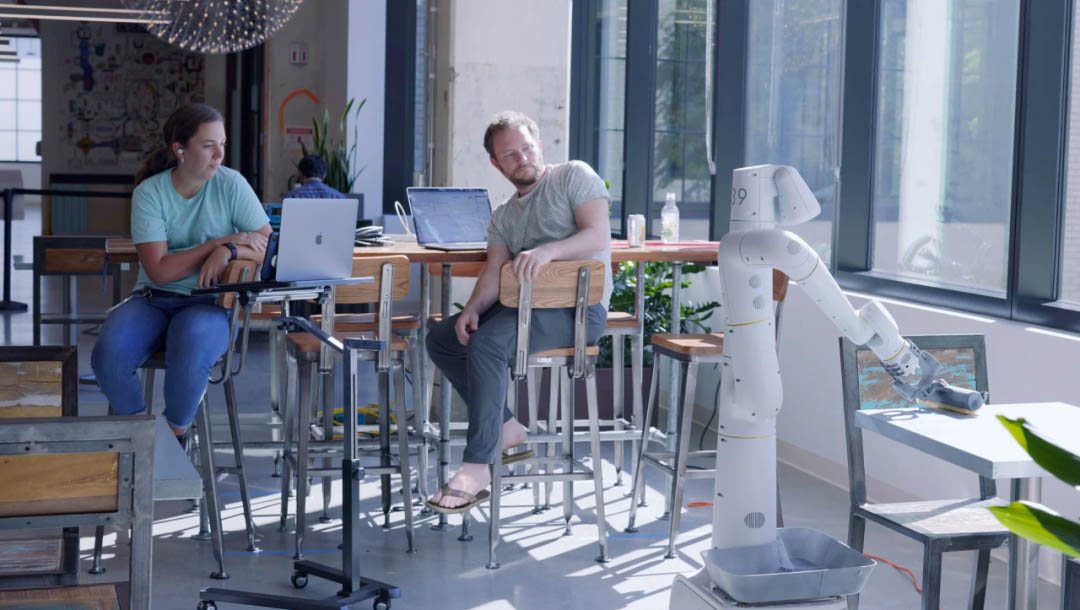
"우리는 로봇을 세심하게 코딩해야 하는 세상에서 벗어나 로봇이 학습할 수 있는 미래를 향해 나아가고 있습니다." 이것이 에브리데이로봇이 늘 강조해온 목표입니다.
They seek to turn the assistant robots in science fiction into reality. Doing so requires solving the most difficult problems in robotics. Once reached, this can solve the small problems that take up billions of hours a day and provide people all over the world with precious time to do things that can unleash our potential.
Compared with the meta-universe, aside from the virtual world, robots may be more real. Once the technology and products are mature, it will push humans to trust robots to handle time-consuming, repetitive and boring daily tasks. A world in which we can choose to spend our time on things that really matter will also come out.
AI 서비스 로봇, 로봇 웨이트리스, 로봇 웨이터.