Wie weit hat sich der Roboter mittlerweile entwickelt?
In dem Moment, in dem das illusorische Meta-Universum mit hoher Frequenz über den Bildschirm streicht, ist diese Frage fast wie eine Parallelexistenz und weckt unsere Neugier. Denn es geht um den Prozess des intelligenten Lebens und um die Qualität und Effizienz, Roboter uns Menschen dienen zu lassen.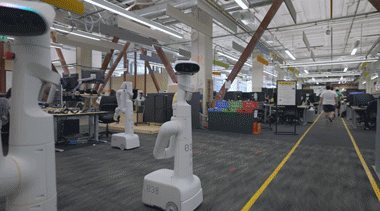
Es gibt eine solche Ansicht: Die heutige Roboterwelt ist der Computerwelt von vor 50 Jahren sehr ähnlich. Es gibt viele Diskussionen und optimistische Ansichten darüber, was Roboter den Menschen in ihrem täglichen Leben helfen können, aber sicher ist, dass in Zukunft noch ein langer Weg vor uns liegt.
Die meisten Roboter ähneln Großrechnern in den 1960er und 1970er Jahren: teure Spezialmaschinen, die von Experten bedient werden und spezielle Aufgaben in speziell gestalteten Umgebungen ausführen.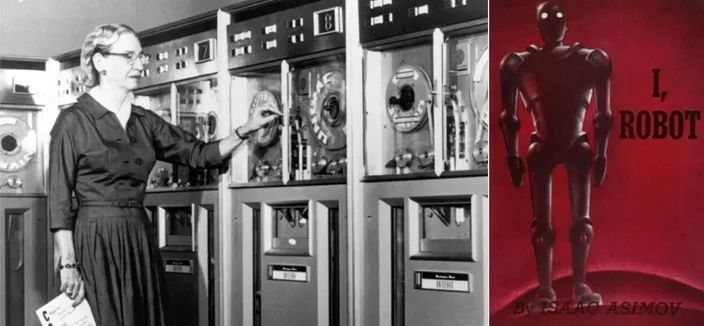
A series of innovations, especially the invention of the microprocessor, made computers cheaper, smaller, and more powerful than anyone thought. At this time, we are also at the node of a similar transformation in robotics. The latest advances in machine learning, coupled with increasingly sophisticated and advanced sensor technology and low-cost hardware, mean that we are closer than ever to making robots mainstream.
We know that humans can naturally combine vision, understanding, navigation and action to walk around and achieve their goals, and robots usually require careful instructions and coding to accomplish these things. This is why robots quickly become very complicated to perform tasks that we consider easy in a highly variable environment.
Derzeit gibt es viele Akteure in verschiedenen Dienstleistungsbereichen wie Haushaltsdienstleistungen, Terminalverteilung, gewerbliche Reinigung sowie Beratung und Erklärung. Aber welches Niveau und welches Stadium hat der Robotikbereich erreicht?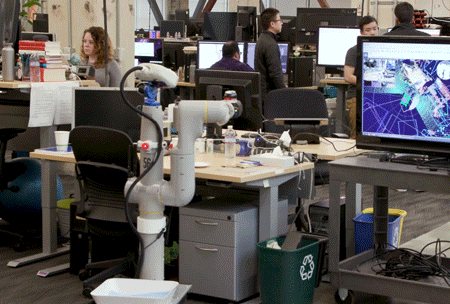
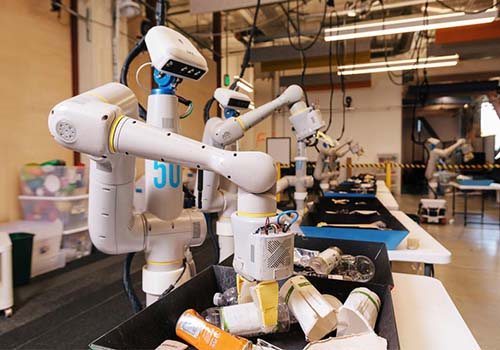
We have noticed that Google, the ceiling-level company in the AI field, has released a noteworthy news that Google’s parent company Alphabet has deployed more than 100 autonomous robots around its offices to perform cleaning, garbage sorting and other simple tasks. This task was contracted to these robots with onboard artificial intelligence software, from Alphabet's Everyday Robots company, which has a sense of immediate vision of raising soldiers for thousands of days.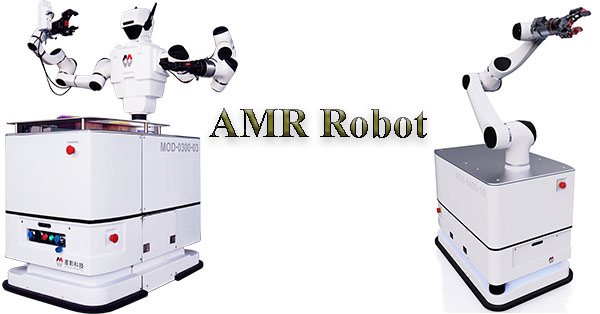
Wir versuchen auch, dieses sehr repräsentative Roboterunternehmen zu erkunden, um die Fähigkeiten zu verstehen, die Roboter jetzt erreichen können, und um ihr zukunftsorientiertes Denken zu verstehen.
It is understood that the reason why Alphabet has to deploy so many of its own robots is to build a general-purpose robot that can learn by itself and handle multiple tasks in an "unstructured" environment, instead of just targeting one in a single laboratory environment. Pre-programmed for specific tasks.
Derzeit werden auf dem Google-Campus in der Bay Area etwa 100 Prototypen sortiert, recycelt und von den Tischen gewischt.
The main reason for this is to allow robots to function in the daily environment. It is necessary to get rid of the painstaking coding of them, but to complete specific structured tasks at the right time and in the right way. The final conclusion is that engineers must teach machines to perform useful tasks, not just program them. 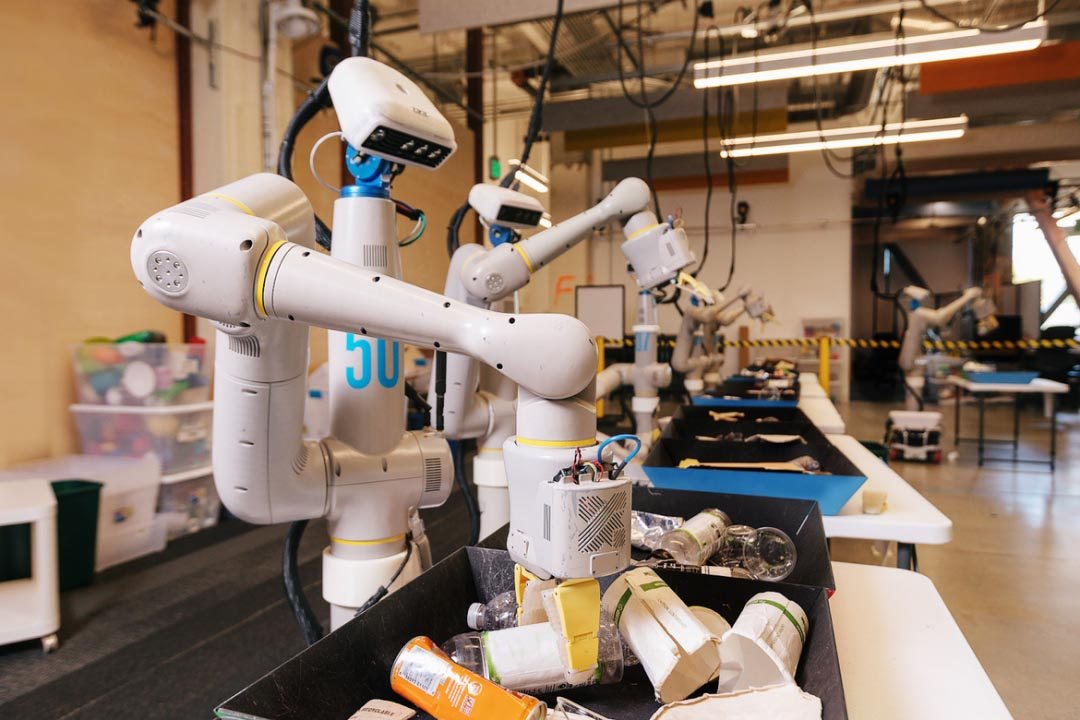
They arranged tasks such as garbage sorting and cleaning for the robots in the office area. In a typical office, because no one screens garbage to check for contamination, it is a very valuable question to let robots do this work. Now the same garbage sorting robot can be equipped with a squeegee to wipe the table, and can learn to open the door with the same gripper that grabs the cup.
Diese Maschinen verfügen über einen großen, fahrbaren Untersatz mit einer langen, herausziehbaren Säule. Oben befindet sich ein Array aus mehreren Kameras, darunter befindet sich ein rotierender Lidar-Sensor, um „die Welt um Sie herum zu verstehen“.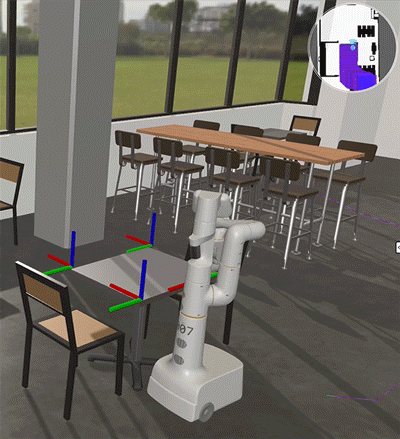
In order for these robots to learn how to complete these tasks, engineers use a variety of machine learning techniques. These include simulation, reinforcement learning and collaborative learning. Every night, tens of thousands of virtual robots practice garbage sorting in a virtual office in a cloud simulator; then transfer their training to real robots to improve their sorting capabilities. This real-world training is then re-integrated into the simulated training data and shared with other robots in order to share the experience and learning of each robot with all robots.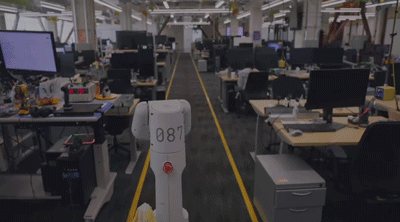
Nach solch hochintensivem Lernen ist es nun möglich, komplexe Aufgaben (z. B. das Öffnen von Türen) an einem Tag zu erlernen, und zwar mit einer höheren Erfolgsquote als vor fünf Jahren, als das Ergreifen von Gegenständen „vier Monate“ dauerte.
In den letzten Monaten haben diese Roboter Tausende von Müllstücken sortiert und den Grad der Müllverschmutzung im Büro von 20 % (dem Wert, wenn Menschen Gegenstände auf Paletten legen) auf weniger als 5 % reduziert.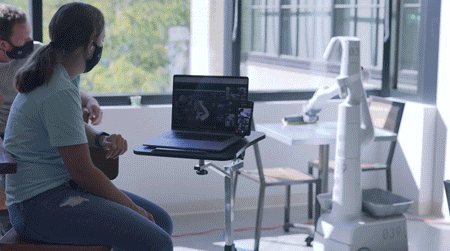
Zusammengenommen zeigen sie, dass es möglich ist, eine zu erstellenKI-Robotersystem that integrates all the functions of the robot and can do some really useful things: reduce the pollution level to less than 5%, and successfully transfer waste from the landfill. Second, they proved that robots can learn how to perform new tasks in the real world through practice, instead of having engineers "hand-write" every new task, anomaly, or improvement.
Können Sie wirklich spüren, dass eine solche Kraft von Robotern die Entstehung einer intelligenteren Welt vorantreibt? Dahinter steckt ein Unternehmen, an dem man nicht vorbeikommt, und das ist dieses Unternehmen namens Everyday Robots. Es ist auch an der Zeit, einige dieser Schlüsselrollen vorzustellen.
Sie entstanden aus Googles Mondlandeanlage X und arbeiteten mit dem Google-Team zusammen, um einen neuen Robotertyp zu bauen. Ein Roboter, der selbst lernen kann und jedem (fast) alles helfen kann.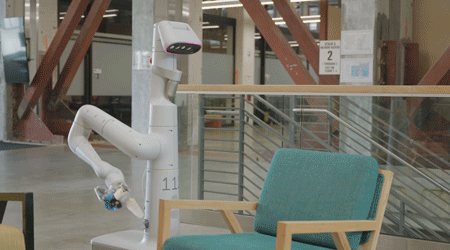
Ihre Vision ist es, Roboter zu schaffen, die die physische Welt transformieren, genau wie die transformative Kraft unseres Computers in der digitalen Welt. Dazu müssen wir jedoch zunächst das schwierigste Problem der Robotik lösen: Roboter bauen, die lernen können, uns bei der Bewältigung aller Dinge zu helfen.
Today's robots are very good at three things-strength, precision, and repetition. But they are really bad in other ways: understand the new space and environment, and do more than one thing. In short, their very narrow abilities come from people who program them to solve only one problem in an environment.
So how to crack, in order to bridge the gap between today's single-purpose robots and tomorrow's auxiliary robots, their company is building robots that live in our world and can learn by themselves. This is a multifaceted challenge, even more difficult than making self-driving cars, because robotics has no rules to follow. 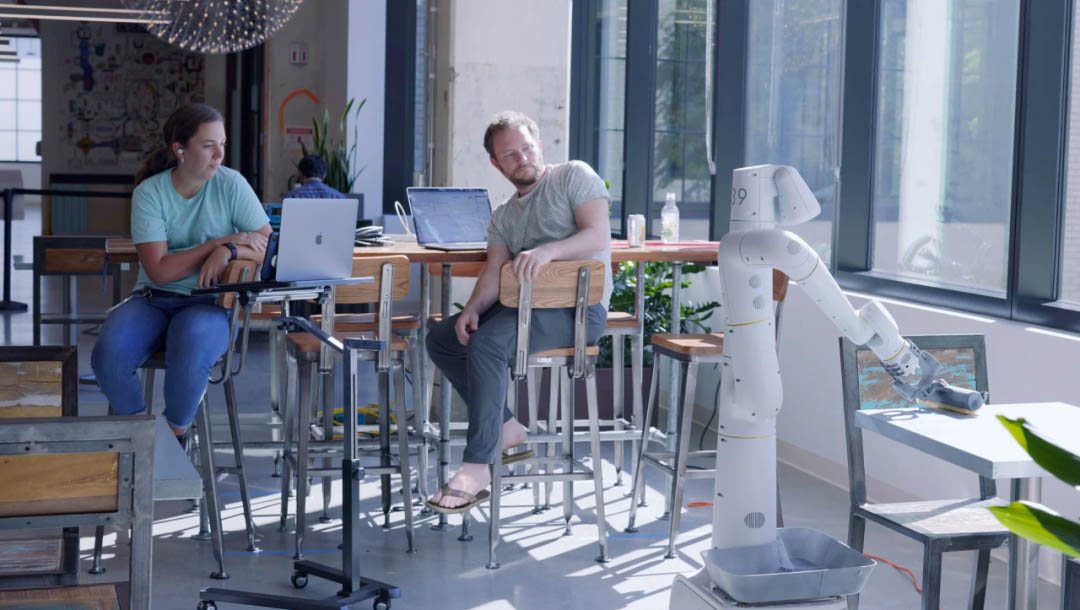
„Wir bewegen uns weg von einer Welt, in der Roboter sorgfältig programmiert werden müssen, hin zu einer Zukunft, in der Roboter lernen können.“ Dies ist das Ziel, das Everyday Robots immer betont hat.
They seek to turn the assistant robots in science fiction into reality. Doing so requires solving the most difficult problems in robotics. Once reached, this can solve the small problems that take up billions of hours a day and provide people all over the world with precious time to do things that can unleash our potential.
Compared with the meta-universe, aside from the virtual world, robots may be more real. Once the technology and products are mature, it will push humans to trust robots to handle time-consuming, repetitive and boring daily tasks. A world in which we can choose to spend our time on things that really matter will also come out.
KI-Dienst Roboter;Kellnerroboter;Kellnerroboter.