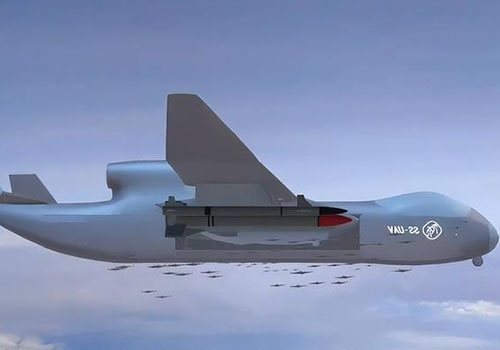
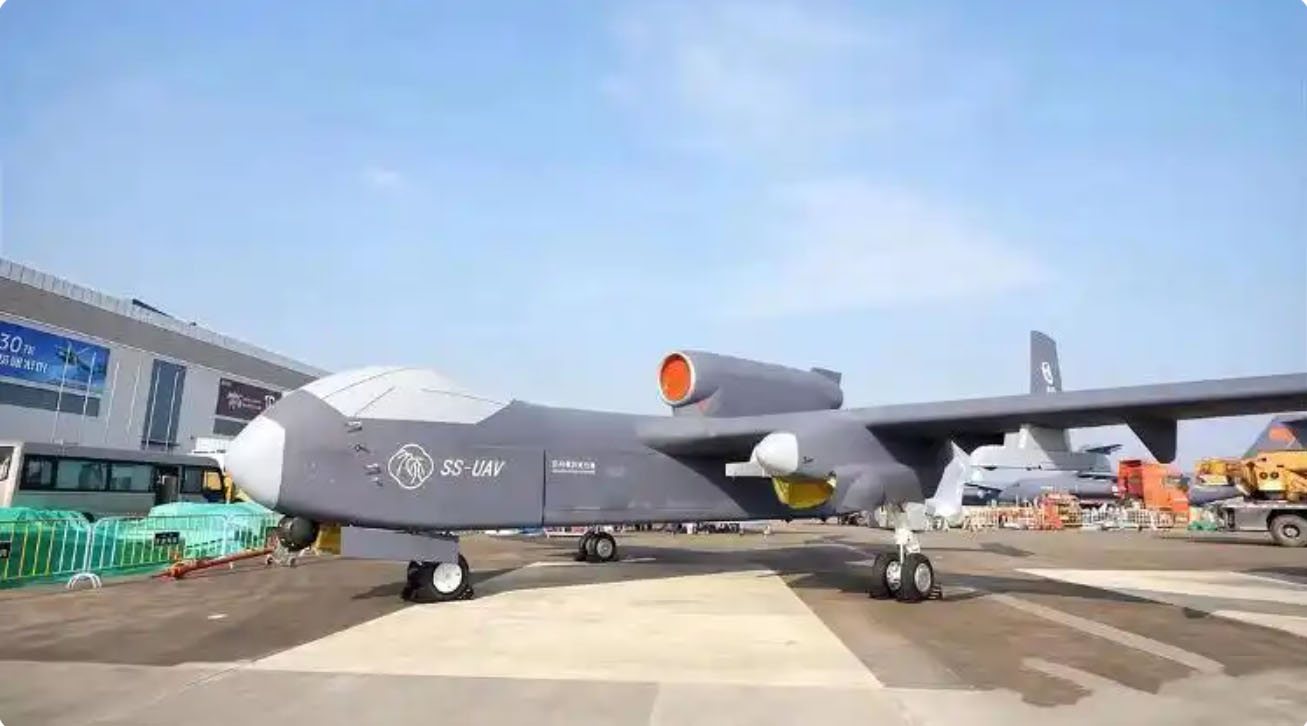
 On the 11th, the "Nine Heavens" unmanned aerial general-purpose platform successfully completed its maiden flight in Shaanxi. As a large-scale general-purpose unmanned aerial vehicle platform independently developed by my country and with world-leading performance, "Nine Heavens" can serve as an "airborne mothership" to command swarms of unmanned aerial vehicles, and can also carry heavy weapons for precision strikes, truly possessing the deterrent power to "descend from the sky".
 Le drone Jiutian a fait ses débuts au salon aéronautique de Zhuhai l'année dernière.
Après son vol inaugural réussi, les paramètres techniques détaillés du drone Jiutian ont également été révélés pour la première fois. Alors, quelle est la puissance du Jiutian ?
Spécifications techniques de base révélées
Ce drone peut transporter une charge utile allant jusqu'à 6 tonnes et dispose de huit points d'appui, capables de transporter des bombes guidées, des missiles air-air, des missiles anti-navires et des drones kamikaze, un type de drone errant qui transporte généralement des explosifs, rôdant près des cibles et attendant de les frapper.
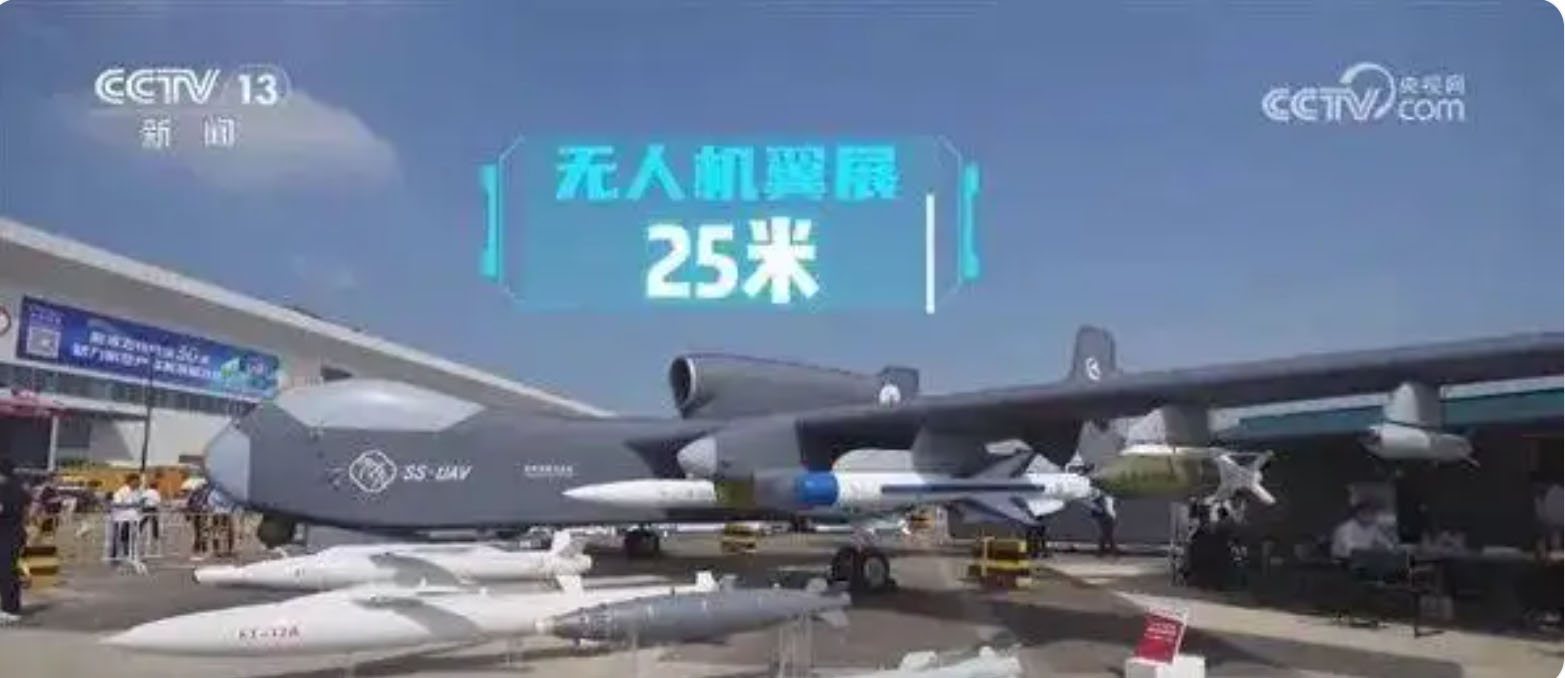
Its wingspan reaches 25 meters, and its maximum takeoff weight can reach 16 tons. This size reminds many of the B-17 bomber from World War I. However, the Jiutian UAV not only rivals traditional bombers in weight, but its maximum payload capacity is also a staggering 6 tons, far exceeding the American MQ-9 Reaper UAV (with a maximum payload of only 1.8 tons), making it a true "juggernaut" among UAVs.
This enormous payload capacity means that "Jiutian" can carry a variety of advanced weapon systems, including laser-guided bombs and anti-ship missiles, enabling it to perform diverse missions in complex battlefield environments. Even more impressive is its ability to carry a so-called "heterogeneous hive mission pod," a design that allows it to release hundreds of small drones in the air, forming a massive "swarm" combat system.
As is well known, a significant characteristic of modern warfare is the high concentration of information and firepower. Against this backdrop, swarm warfare has emerged as a new mode of combat. The design concept of "Jiutian" perfectly aligns with this trend; it can not only independently complete strike missions but also achieve saturation attacks on enemy air defense systems through swarm warfare.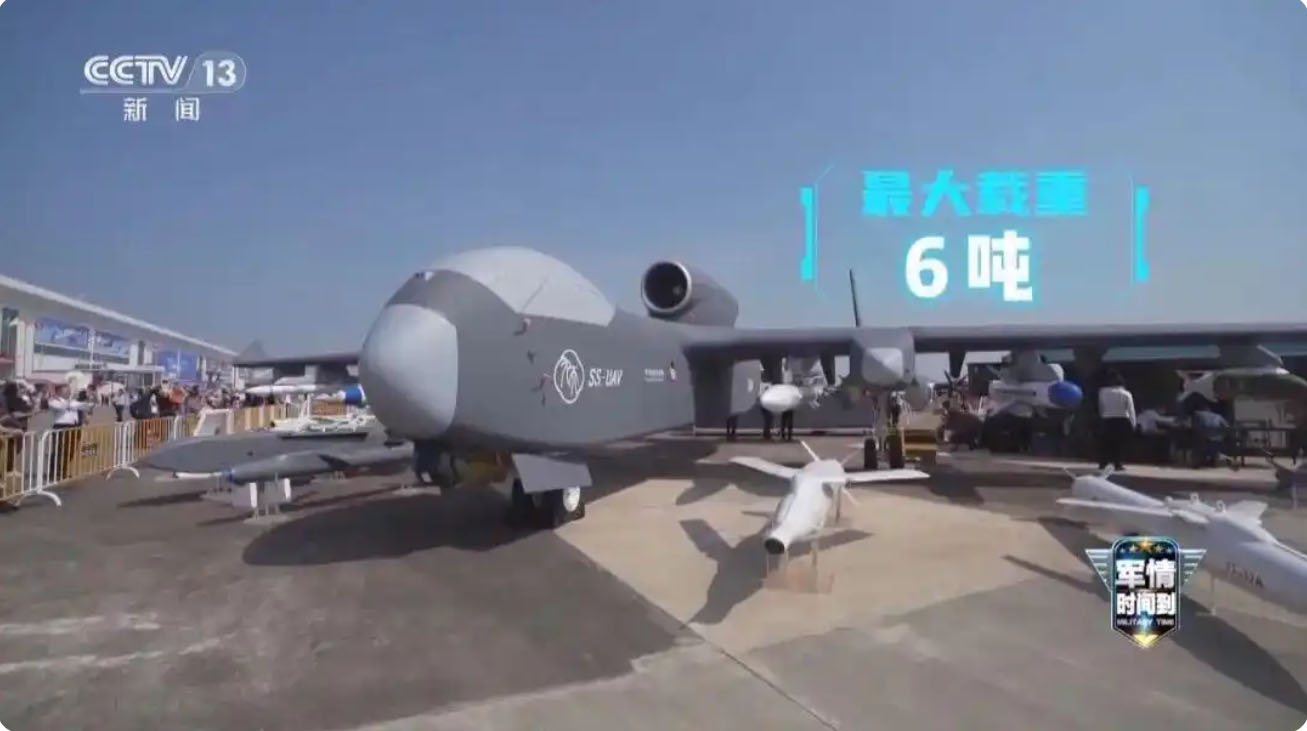 Imaginez si dix drones « Jiutian » étaient déployés en formation, chacun transportant 100 petits drones.
En seulement 30 minutes, ils pourraient livrer plus d’un millier de drones sur une zone cible ! De telles tactiques pourraient submerger les systèmes de défense aérienne ennemis, infligeant de lourds dégâts.
Another area of interest is the application of "Jiutian" drones in information technology and intelligence. With the continuous development of military technology, information warfare has become the mainstream for militaries worldwide. The high-resolution optoelectronic reconnaissance equipment and synthetic aperture radar equipped on "Jiutian" will give it a significant advantage in intelligence gathering.
En outre, le concept de conception de « plate-forme à usage général + charge utile de mission modulaire » permet à « Jiutian » d'atteindre une adaptabilité complète pour une utilisation militaire et civile.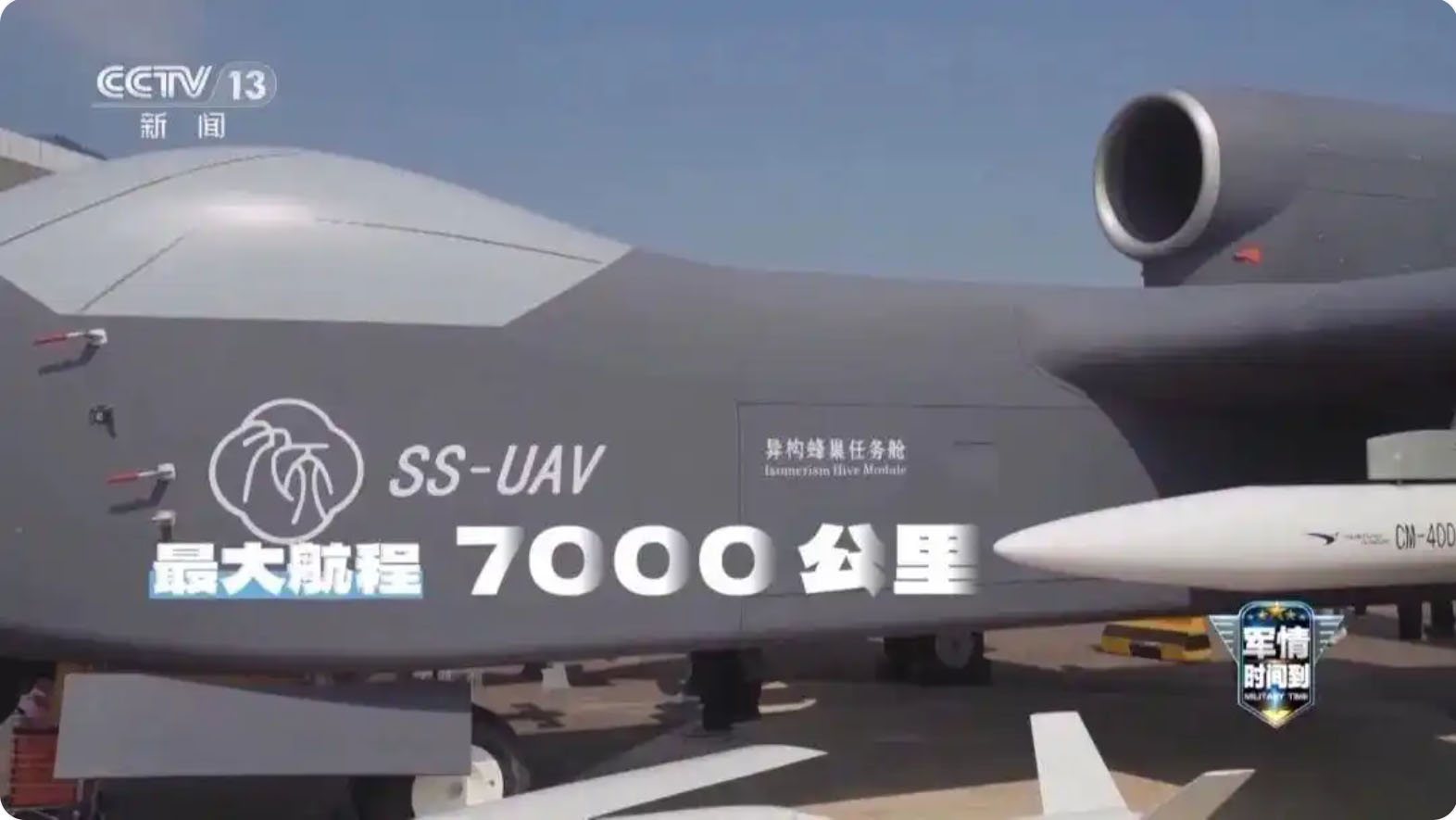 À cet égard, le drone « Jiutian » peut effectuer une reconnaissance continue à long terme et à longue portée sur de vastes zones de champ de bataille, en acquérant avec précision des renseignements clés tels que le déploiement des troupes ennemies et la configuration des équipements, fournissant ainsi un soutien fiable et en temps réel à la prise de décision opérationnelle.
Une fois combinée avec d’autres forces de combat pour des opérations coordonnées, son efficacité globale au combat sera considérablement améliorée.
The maiden flight of the "Jiutian" is not only a significant breakthrough for China in the field of large UAVs, but also a strengthening of the entire unmanned combat platform system. With the addition of the "Jiutian," a positive technological complementarity and operational synergy has been formed with existing reconnaissance and strike UAVs, unmanned helicopters, and other combat platforms. This is not merely an upgrade of a single weapon system, but a systemic improvement in overall combat capability.
Le fossé technologique est déjà évident.
Faced with the increasingly severe international situation, UAVs like the "Jiutian," with their all-domain deployment and all-weather operation capabilities, will undoubtedly play an increasingly important role in future military operations. Especially in tense areas such as the South China Sea and the Taiwan Strait, possessing such powerful strategic reconnaissance and strike capabilities will have a profound impact on maintaining national security and regional stability.
Although the maiden flight of the "Jiutian" UAV received high attention from the United States. For example, the US MQ-9 Reaper drone is the most famous Western reconnaissance and strike drone, but its maximum takeoff weight is only 4.76 tons, its payload capacity is 1.7 tons, and its range is only 1850 kilometers—less than a third of the "Nine-Tian's" capabilities. Another drone, the XQ-58A Valkyrie, while featuring stealth design, has a payload of only 0.5 tons, and its swarm carrying capacity is far inferior to the "Nine-Tian's."
However, not all foreign media outlets are praising it. For instance, the Ukrainian newspaper *Defense Express* directly poured cold water on the idea: such a large drone carrier is completely impractical in actual combat. On the Russian-Ukrainian battlefield, targets larger than 5 cubic meters in size have an average survival time of less than 50 minutes. The "Nine-Tian's" survivability makes it a "sitting duck" in the face of modern air defense systems!
Cependant, l’analyse ukrainienne a peut-être négligé un point crucial : la guerre moderne est un combat de systèmes de systèmes, et non des batailles individuelles.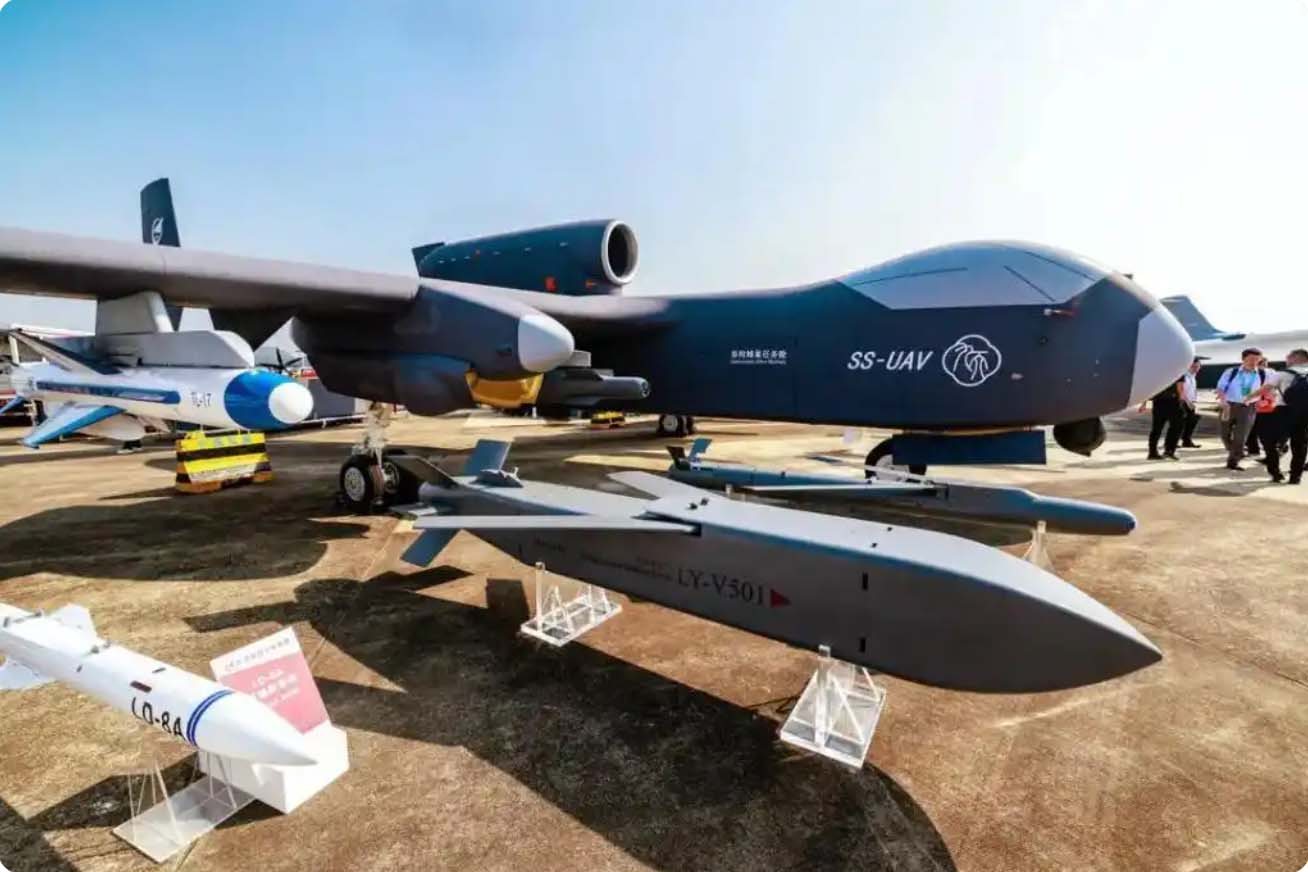 En réalité, l’intention initiale de conception du drone « Jiutian » n’était probablement pas d’opérer seul derrière les lignes ennemies. Son objectif était de se combiner avec d’autres forces de combat avancées pour former un avantage global.
Pour contrer des essaims massifs de drones, un seul système de défense aérienne est clairement insuffisant. Par exemple, la récente ruée de l'Inde pour acheter 300 missiles de défense aérienne S-400 découle de l'incapacité de ses propres systèmes de défense aérienne à résister à la pression des drones peu coûteux et peu furtifs.
Once PLA aircraft achieve air superiority, the "Jiutian" drone acts as a "high-altitude delivery station" to harvest swarms of drones—this constitutes the complete combat chain. For any country attempting to challenge the "Jiutian," coordinating its air defense system with firepower will be a significant test.
The successful maiden flight of the "Jiutian" drone not only represents a major breakthrough for China in the aerospace field but also marks a pioneer in leading the future revolution in unmanned warfare. With its massive payload capacity, flexible operational modes, and precise reconnaissance technology, the "Jiutian" will become a shining star on the future battlefield.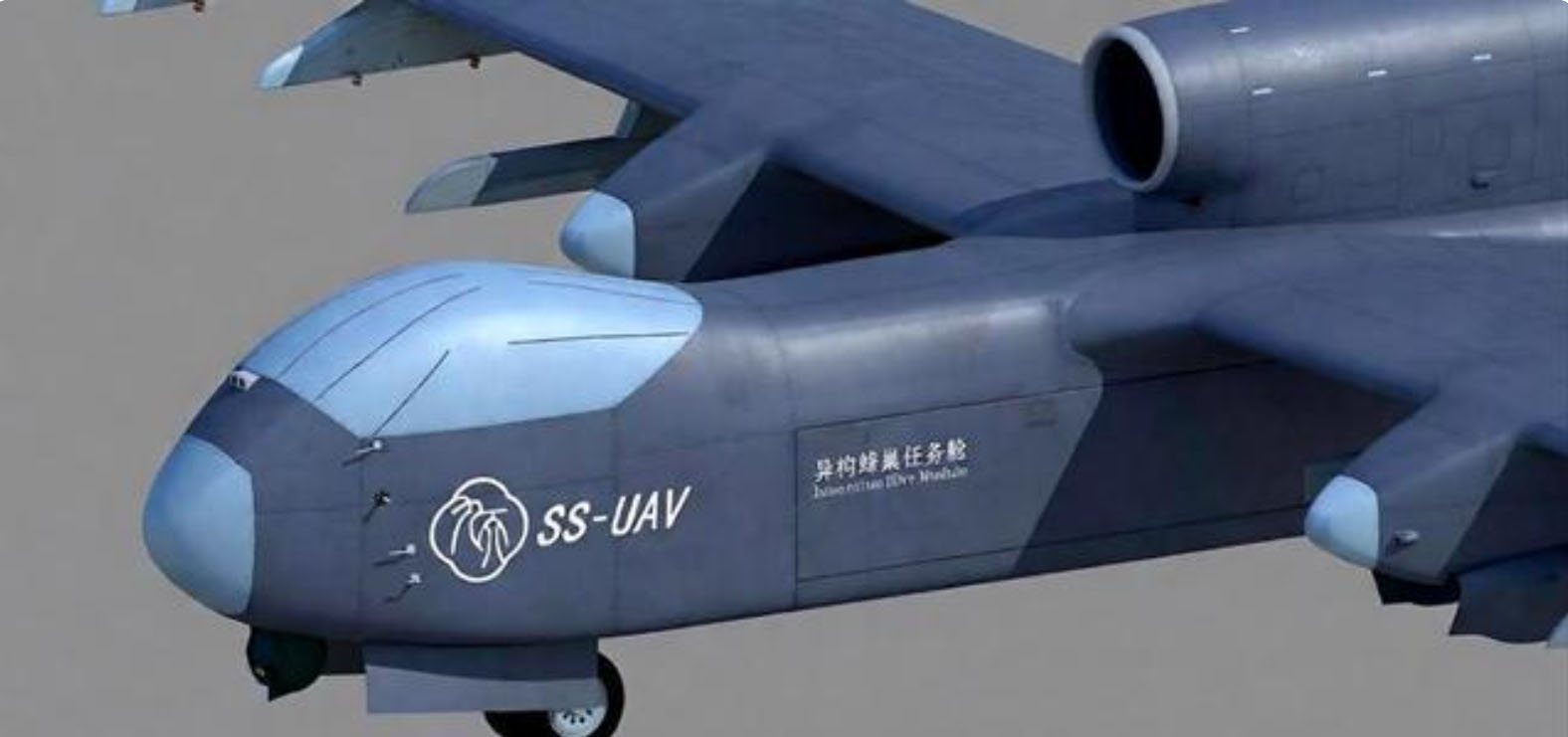 Through modular payload customization, the "Jiutian" UAV can be widely adapted to diverse civilian scenarios, including heavy material transportation and precision logistics delivery in remote mountainous areas and islands, rapid communication restoration and disaster relief equipment delivery in emergency rescue operations, and can also provide services such as geographic surveying, disaster assessment, and mineral exploration, covering multiple sectors of the national economy such as cultural relic surveying, maritime patrol and law enforcement, and forest fire fighting.
The successful maiden flight of the "Jiutian" UAV marks a new breakthrough in my country's large-scale UAV technology. Its large-scale application will accelerate the seamless integration and positive interaction between the industrial chain and the innovation chain, injecting new momentum into the development of new productivity in the low-altitude economy and continuously creating a new landscape for high-quality development of the aviation industry.
Le drone « Jiutian » a été conçu par le premier institut de conception d'avions de l'Aviation Industry Corporation of China, à la demande de Shaanxi Unmanned Equipment Technology Co., Ltd.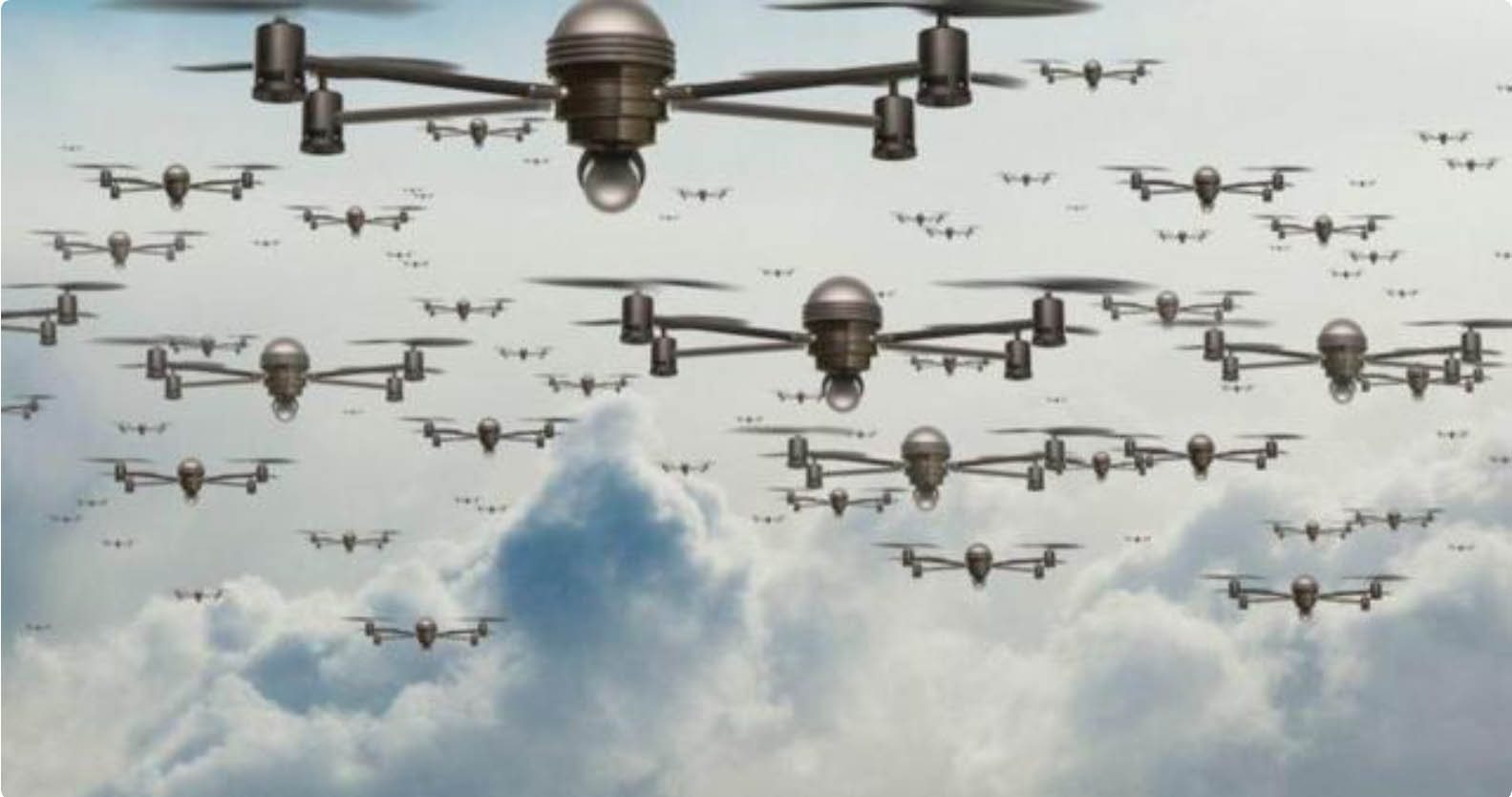 Le drone « Jiutian » a une charge utile maximale de 6 tonnes, alors que la charge utile d'un avion de combat de taille moyenne n'est que d'environ 7 tonnes. Quels types de charges utiles de mission peut-il transporter ?
Experts say the "Jiutian" UAV can carry a variety of payloads during combat. On one hand, it can carry offensive weapons. For example, it has four hardpoints that can carry a one-ton payload; a one-ton payload is quite large for missiles. At the China Airshow, we saw it also carrying stand-off missiles. These missiles can travel hundreds of kilometers and can also perform stealth penetration, making them very powerful.
It can also carry smaller UAVs. It can be said that it can carry almost all current ground attack payloads. At the China Airshow, we also saw it carrying medium-range air-to-air missiles, such as the PL-12E. These missiles can be self-propelled or used for preemptive strikes against enemy aerial targets. More importantly, if it carries advanced electronic warfare pods, it can suppress and jam enemy radar, improving its survivability.
Therefore, if it could be equipped with a directional infrared jamming system, using laser beams to interfere with the opponent's infrared-guided missiles, its survivability could be greatly improved. Thus, its high payload capacity allows it to carry a variety of weapons, enhancing both its penetration and strike capabilities and its own survivability.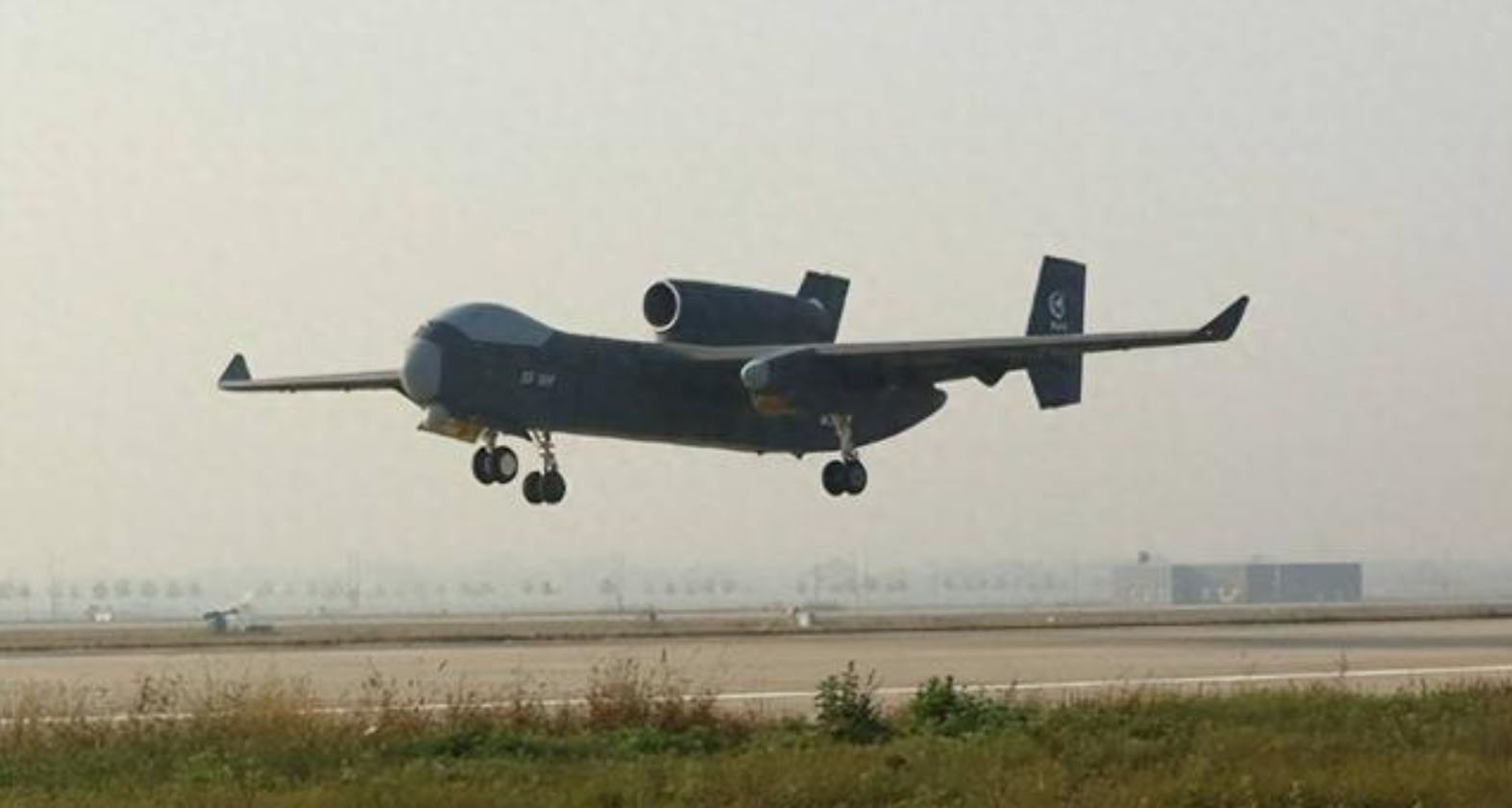 Le « Honeycomb Mission Pod » transporté par le drone « Jiutian » peut larguer des centaines de micro-drones ou de munitions errantes à la fois.
Pour quelles missions cette capacité peut-elle être utilisée ?
Expert: Small micro-drones and loitering munitions have a significant advantage in their strong penetration capability, making them difficult for the enemy to intercept due to their small size. However, these micro-drones and loitering munitions also have a limited operational range, typically only 20-30 kilometers. Striking targets deep within enemy territory is quite difficult. But by deploying these small micro-drones on the Jiutian UAV, they can reach deep into enemy territory to conduct strikes.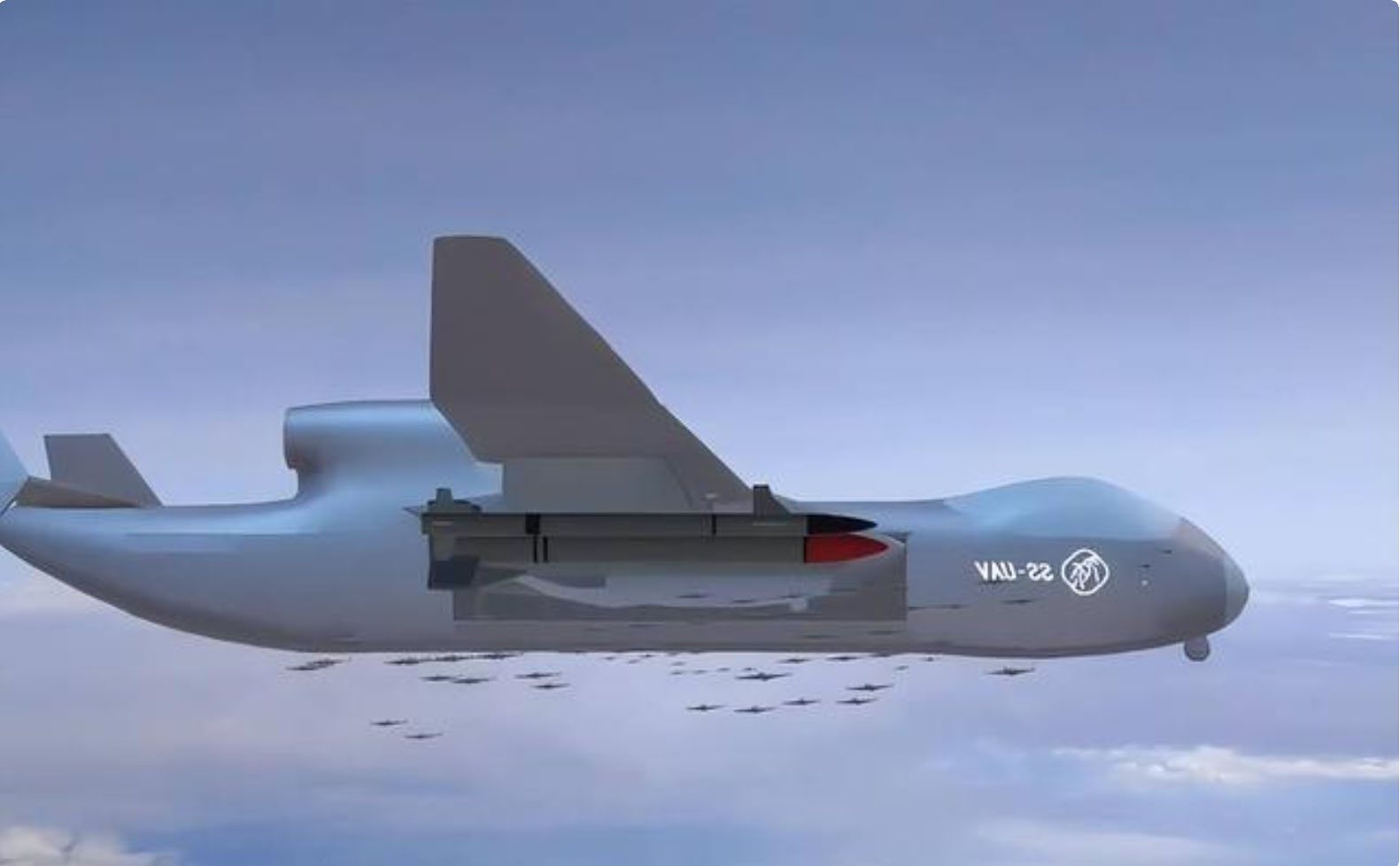
SS-UAV;SS-UAVDrone;Drone Jiu Tian.