Насколько развит робот сейчас?
В тот момент, когда иллюзорная метавселенная смахивает экран на высокой частоте, этот вопрос почти как параллельное существование, привлекая наше любопытство. Потому что речь идет о процессе разумной жизни, а также о качестве и эффективности, позволяющих роботам служить нам, людям.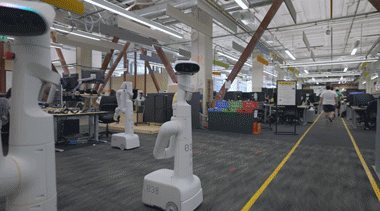
Есть такое мнение: Сегодняшний роботизированный мир очень похож на компьютерный мир 50 лет назад. Существует много дискуссий и оптимистических взглядов на то, что роботы могут помочь людям в повседневной жизни, но несомненно то, что в будущем нам еще предстоит пройти долгий путь.
Большинство роботов похожи на мейнфреймы 1960-х и 1970-х годов: дорогие специализированные машины, управляемые экспертами и выполняющие специализированные задачи в специально разработанных средах.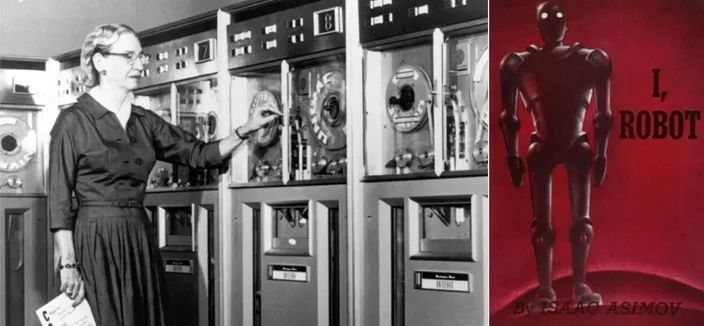
A series of innovations, especially the invention of the microprocessor, made computers cheaper, smaller, and more powerful than anyone thought. At this time, we are also at the node of a similar transformation in robotics. The latest advances in machine learning, coupled with increasingly sophisticated and advanced sensor technology and low-cost hardware, mean that we are closer than ever to making robots mainstream.
We know that humans can naturally combine vision, understanding, navigation and action to walk around and achieve their goals, and robots usually require careful instructions and coding to accomplish these things. This is why robots quickly become very complicated to perform tasks that we consider easy in a highly variable environment.
В настоящее время существует множество игроков в различных сферах услуг, таких как услуги на дому, распределение терминалов, коммерческая уборка, а также руководство и разъяснения. Но какого уровня и стадии достигла область робототехники?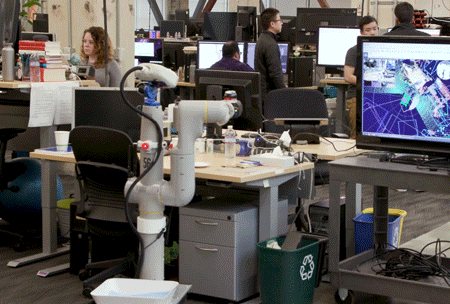
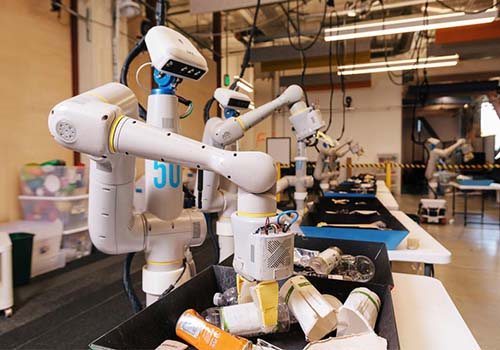
We have noticed that Google, the ceiling-level company in the AI field, has released a noteworthy news that Google’s parent company Alphabet has deployed more than 100 autonomous robots around its offices to perform cleaning, garbage sorting and other simple tasks. This task was contracted to these robots with onboard artificial intelligence software, from Alphabet's Everyday Robots company, which has a sense of immediate vision of raising soldiers for thousands of days.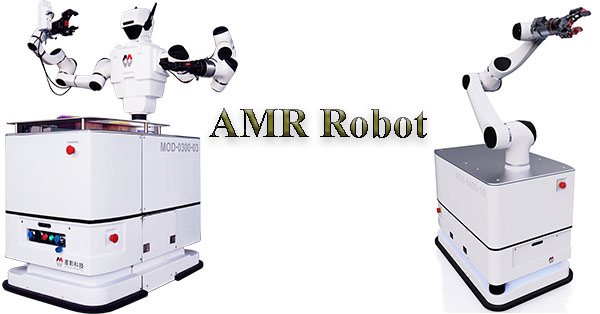
Мы также пытаемся изучить эту весьма представительную компанию, производящую роботов, чтобы понять возможности, которых роботы могут достичь сейчас, и их мышление, ориентированное на будущее.
It is understood that the reason why Alphabet has to deploy so many of its own robots is to build a general-purpose robot that can learn by itself and handle multiple tasks in an "unstructured" environment, instead of just targeting one in a single laboratory environment. Pre-programmed for specific tasks.
В настоящее время около 100 прототипов сортируются, перерабатываются и вытираются со столов в кампусе Google в районе залива.
The main reason for this is to allow robots to function in the daily environment. It is necessary to get rid of the painstaking coding of them, but to complete specific structured tasks at the right time and in the right way. The final conclusion is that engineers must teach machines to perform useful tasks, not just program them. 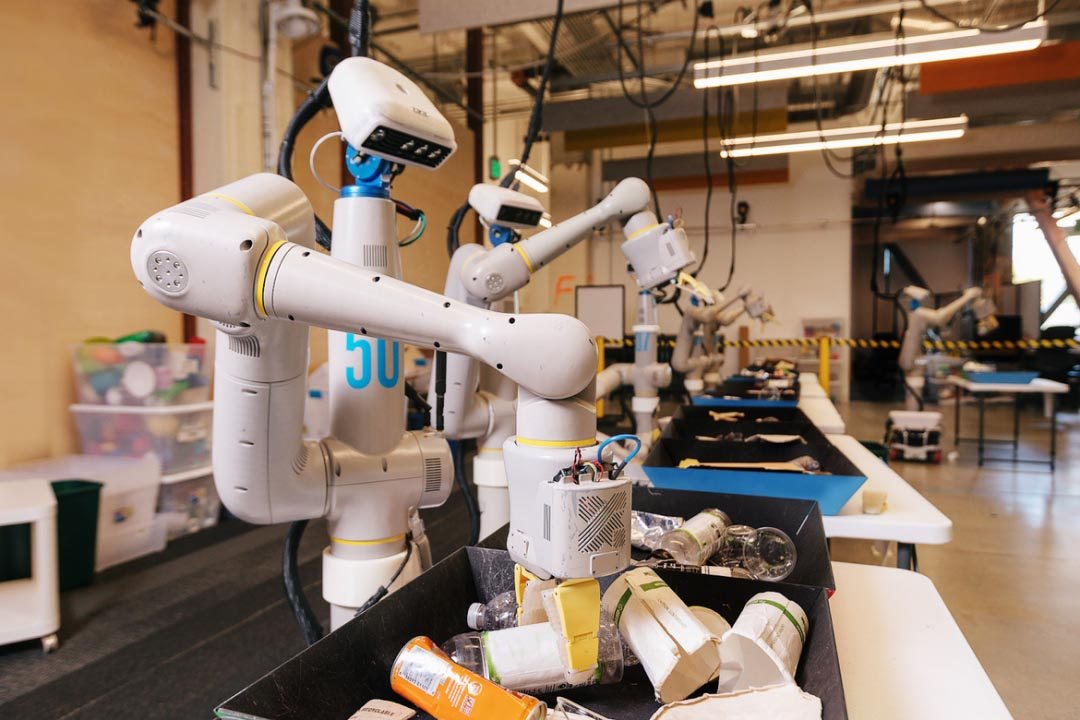
They arranged tasks such as garbage sorting and cleaning for the robots in the office area. In a typical office, because no one screens garbage to check for contamination, it is a very valuable question to let robots do this work. Now the same garbage sorting robot can be equipped with a squeegee to wipe the table, and can learn to open the door with the same gripper that grabs the cup.
Эти машины имеют большую колесную базу с выходящей наружу длинной стойкой. Вверху находится массив из нескольких камер, а внизу расположен вращающийся лидарный датчик, позволяющий «понимать мир вокруг вас».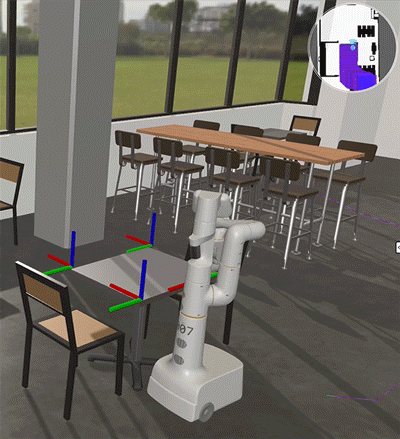
In order for these robots to learn how to complete these tasks, engineers use a variety of machine learning techniques. These include simulation, reinforcement learning and collaborative learning. Every night, tens of thousands of virtual robots practice garbage sorting in a virtual office in a cloud simulator; then transfer their training to real robots to improve their sorting capabilities. This real-world training is then re-integrated into the simulated training data and shared with other robots in order to share the experience and learning of each robot with all robots.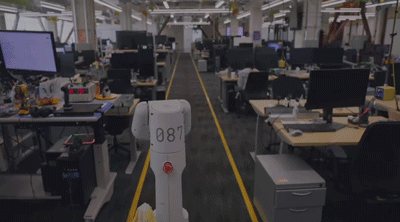
После такого интенсивного обучения теперь можно освоить сложные задачи (например, открывать двери) за один день, причем с более высоким уровнем успеха, чем пять лет назад, когда на схватывание предметов требовалось «четыре месяца».
За последние несколько месяцев эти роботы отсортировали тысячи мусора и снизили уровень загрязнения офиса мусором с 20% (уровень, когда люди складывают предметы на поддоны) до менее чем 5%.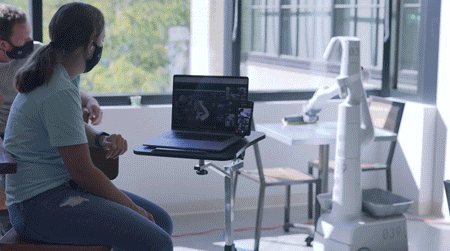
В совокупности они показывают, что возможно создатьРоботизированная система искусственного интеллекта that integrates all the functions of the robot and can do some really useful things: reduce the pollution level to less than 5%, and successfully transfer waste from the landfill. Second, they proved that robots can learn how to perform new tasks in the real world through practice, instead of having engineers "hand-write" every new task, anomaly, or improvement.
Можете ли вы действительно почувствовать, что такая сила роботов способствует появлению более разумного мира? За этим стоит такая компания, обойти которую невозможно, и это компания Everyday Robots. Пришло также время представить некоторые из этих ключевых ролей.
Они произошли от Google Moon Landing Plant X и работали с командой Google над созданием нового типа робота. Робот, который может учиться сам и может помочь кому угодно (почти) во всем.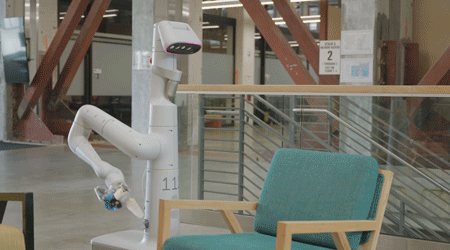
Их видение состоит в том, чтобы создать роботов, которые преобразуют физический мир так же, как преобразующая сила нашего компьютера в цифровом мире. Но для этого нам сначала нужно решить сложнейшую задачу в робототехнике — построить роботов, которые смогут научиться помогать нам со всем справляться.
Today's robots are very good at three things-strength, precision, and repetition. But they are really bad in other ways: understand the new space and environment, and do more than one thing. In short, their very narrow abilities come from people who program them to solve only one problem in an environment.
So how to crack, in order to bridge the gap between today's single-purpose robots and tomorrow's auxiliary robots, their company is building robots that live in our world and can learn by themselves. This is a multifaceted challenge, even more difficult than making self-driving cars, because robotics has no rules to follow. 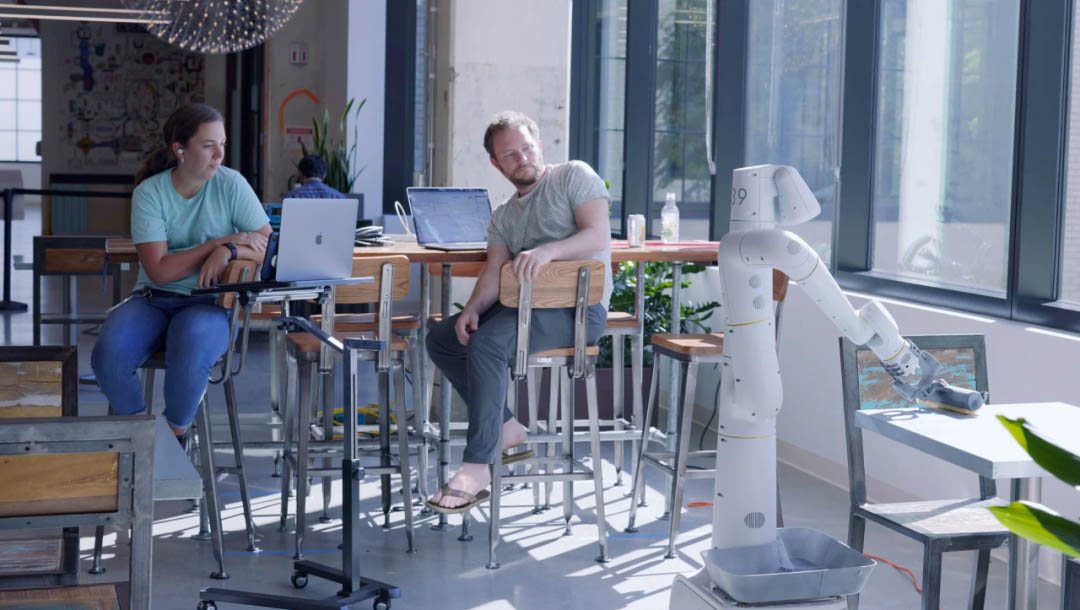
«Мы уходим от мира, где роботов необходимо тщательно программировать, и приближаемся к будущему, где роботы смогут учиться». Это цель, которую Everyday Robots всегда подчеркивала.
They seek to turn the assistant robots in science fiction into reality. Doing so requires solving the most difficult problems in robotics. Once reached, this can solve the small problems that take up billions of hours a day and provide people all over the world with precious time to do things that can unleash our potential.
Compared with the meta-universe, aside from the virtual world, robots may be more real. Once the technology and products are mature, it will push humans to trust robots to handle time-consuming, repetitive and boring daily tasks. A world in which we can choose to spend our time on things that really matter will also come out.
AI-сервис Робот;робот-официант;робот-официант.