In hoeverre heeft de robot zich inmiddels ontwikkeld?
Op het moment dat het illusoire meta-universum met hoge frequentie over het scherm veegt, lijkt deze vraag bijna op een parallel bestaan, wat onze nieuwsgierigheid wekt. Omdat het gaat over het proces van intelligent leven, en de kwaliteit en efficiëntie van het laten dienen van robots voor ons mensen.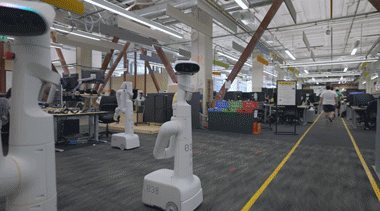
Er bestaat zo'n visie: de huidige robotwereld lijkt sterk op de computerwereld van 50 jaar geleden. Er zijn veel discussies en optimistische opvattingen over wat robots mensen kunnen helpen in hun dagelijks leven, maar wat zeker is, is dat er in de toekomst nog een lange weg te gaan is.
De meeste robots lijken op mainframecomputers uit de jaren zestig en zeventig: dure gespecialiseerde machines, bestuurd door experts, die gespecialiseerde taken uitvoeren in speciaal ontworpen omgevingen.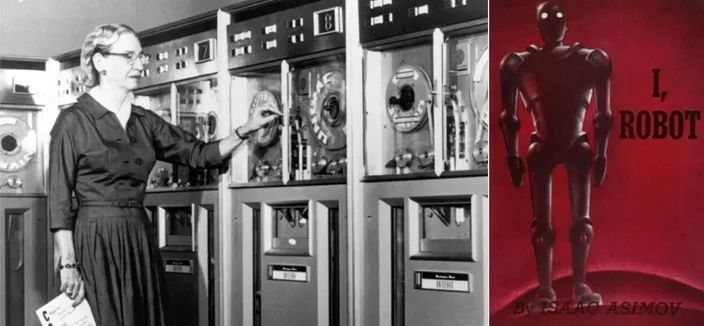
A series of innovations, especially the invention of the microprocessor, made computers cheaper, smaller, and more powerful than anyone thought. At this time, we are also at the node of a similar transformation in robotics. The latest advances in machine learning, coupled with increasingly sophisticated and advanced sensor technology and low-cost hardware, mean that we are closer than ever to making robots mainstream.
We know that humans can naturally combine vision, understanding, navigation and action to walk around and achieve their goals, and robots usually require careful instructions and coding to accomplish these things. This is why robots quickly become very complicated to perform tasks that we consider easy in a highly variable environment.
Momenteel zijn er veel spelers op diverse servicegebieden zoals thuisservices, terminaldistributie, bedrijfsschoonmaak en begeleiding en uitleg. Maar welk niveau en welk stadium heeft het roboticaveld bereikt?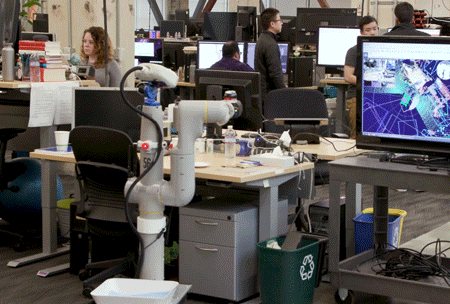
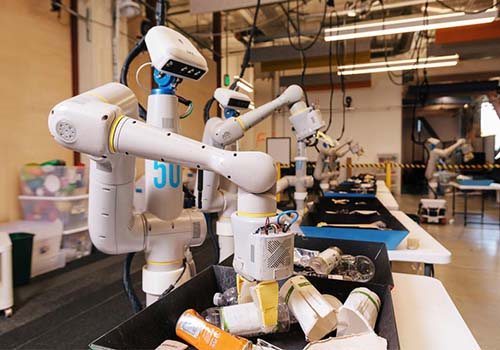
We have noticed that Google, the ceiling-level company in the AI field, has released a noteworthy news that Google’s parent company Alphabet has deployed more than 100 autonomous robots around its offices to perform cleaning, garbage sorting and other simple tasks. This task was contracted to these robots with onboard artificial intelligence software, from Alphabet's Everyday Robots company, which has a sense of immediate vision of raising soldiers for thousands of days.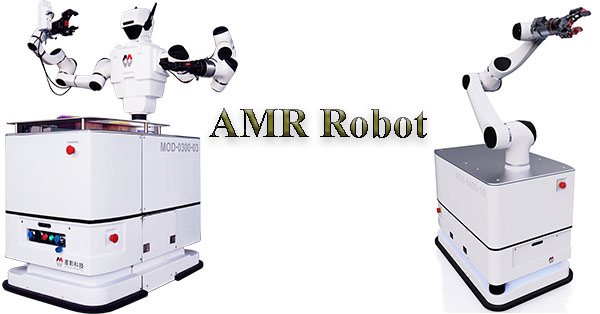
We proberen ook dit zeer representatieve robotbedrijf te verkennen om de mogelijkheden te begrijpen die robots nu kunnen bereiken en hun toekomstgerichte denken.
It is understood that the reason why Alphabet has to deploy so many of its own robots is to build a general-purpose robot that can learn by itself and handle multiple tasks in an "unstructured" environment, instead of just targeting one in a single laboratory environment. Pre-programmed for specific tasks.
Momenteel worden ongeveer 100 prototypes gesorteerd, gerecycled en van tafels weggeveegd op de Google-campus in de Bay Area.
The main reason for this is to allow robots to function in the daily environment. It is necessary to get rid of the painstaking coding of them, but to complete specific structured tasks at the right time and in the right way. The final conclusion is that engineers must teach machines to perform useful tasks, not just program them. 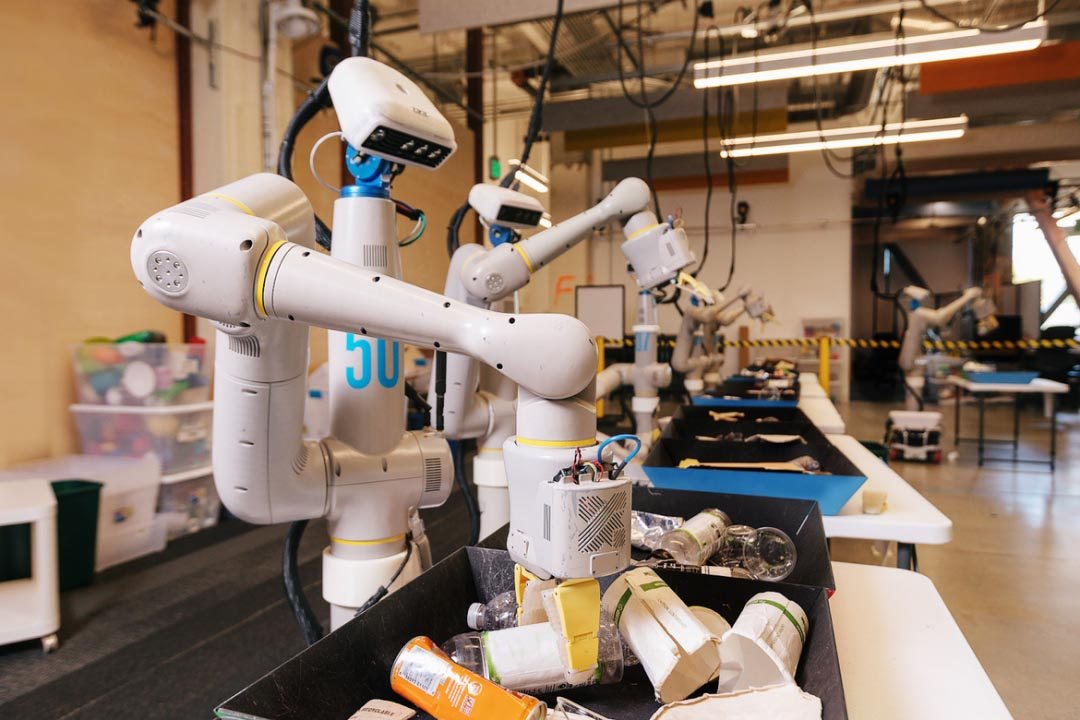
They arranged tasks such as garbage sorting and cleaning for the robots in the office area. In a typical office, because no one screens garbage to check for contamination, it is a very valuable question to let robots do this work. Now the same garbage sorting robot can be equipped with a squeegee to wipe the table, and can learn to open the door with the same gripper that grabs the cup.
Deze machines hebben een grote verrijdbare basis met een lange paal die naar buiten steekt. Bovenaan bevindt zich een array met meerdere camera's, met daaronder een roterende lidarsensor om "de wereld om je heen te begrijpen".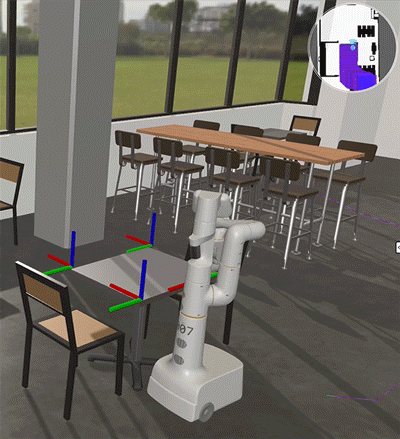
In order for these robots to learn how to complete these tasks, engineers use a variety of machine learning techniques. These include simulation, reinforcement learning and collaborative learning. Every night, tens of thousands of virtual robots practice garbage sorting in a virtual office in a cloud simulator; then transfer their training to real robots to improve their sorting capabilities. This real-world training is then re-integrated into the simulated training data and shared with other robots in order to share the experience and learning of each robot with all robots.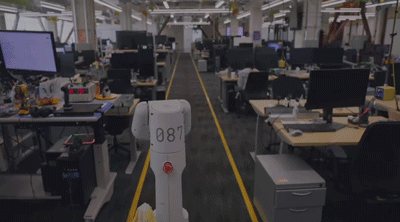
Na dergelijk intensief leren is het nu mogelijk om complexe taken (bijvoorbeeld het openen van deuren) in één dag te leren, met een hoger slagingspercentage dan vijf jaar geleden, toen het ‘vier maanden’ duurde om voorwerpen te begrijpen.
In de afgelopen maanden hebben deze robots duizenden stukjes afval gesorteerd en de vervuiling door afval op kantoor teruggebracht van 20% (het niveau waarop mensen spullen op pallets zetten) tot minder dan 5%.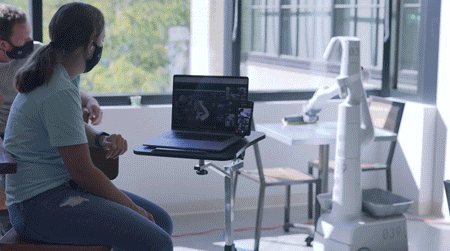
Samen laten ze zien dat het mogelijk is om eenAI-robotsysteem that integrates all the functions of the robot and can do some really useful things: reduce the pollution level to less than 5%, and successfully transfer waste from the landfill. Second, they proved that robots can learn how to perform new tasks in the real world through practice, instead of having engineers "hand-write" every new task, anomaly, or improvement.
Kun je echt voelen dat zo’n kracht van robots de komst van een slimmere wereld aanstuurt? Hierachter zit zo’n bedrijf dat niet te vermijden is, en dat is dit bedrijf genaamd Everyday Robots. Het is ook tijd om een deel van deze sleutelrol te introduceren.
Ze kwamen voort uit Google’s Moon Landing Plant X en werkten samen met het team van Google om een nieuw type robot te bouwen. Een robot die zelf kan leren en iedereen (bijna) alles kan helpen.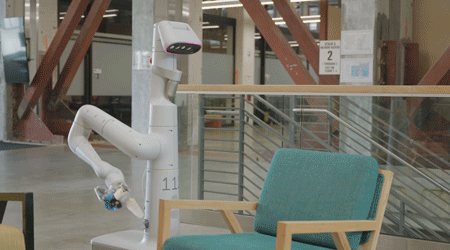
Hun visie is om robots te creëren die transformatief zijn voor de fysieke wereld, net zoals de transformerende kracht van onze computer in de digitale wereld. Maar om dit te doen, moeten we eerst het moeilijkste probleem oplossen van robots die robots bouwen die kunnen leren hoe ze ons kunnen helpen met alles om te gaan.
Today's robots are very good at three things-strength, precision, and repetition. But they are really bad in other ways: understand the new space and environment, and do more than one thing. In short, their very narrow abilities come from people who program them to solve only one problem in an environment.
So how to crack, in order to bridge the gap between today's single-purpose robots and tomorrow's auxiliary robots, their company is building robots that live in our world and can learn by themselves. This is a multifaceted challenge, even more difficult than making self-driving cars, because robotics has no rules to follow. 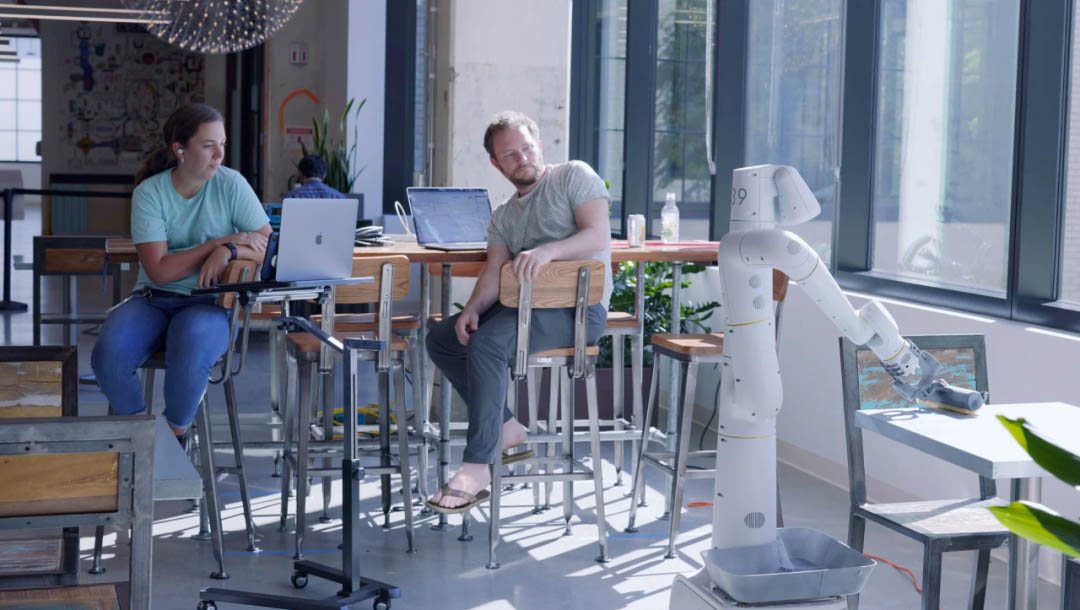
"We bewegen ons weg van een wereld waarin robots zorgvuldig moeten worden gecodeerd, en gaan richting een toekomst waarin robots kunnen leren." Dit is het doel dat Everyday Robots altijd heeft benadrukt.
They seek to turn the assistant robots in science fiction into reality. Doing so requires solving the most difficult problems in robotics. Once reached, this can solve the small problems that take up billions of hours a day and provide people all over the world with precious time to do things that can unleash our potential.
Compared with the meta-universe, aside from the virtual world, robots may be more real. Once the technology and products are mature, it will push humans to trust robots to handle time-consuming, repetitive and boring daily tasks. A world in which we can choose to spend our time on things that really matter will also come out.
AI-service Robot; robotserveerster; robotober.