¿Hasta qué punto se ha desarrollado el robot ahora?
En el momento en que el metauniverso ilusorio pasa la pantalla a alta frecuencia, esta pregunta es casi como una existencia paralela, atrayendo nuestra curiosidad. Porque se trata del proceso de vida inteligente y de la calidad y eficiencia de dejar que los robots nos sirvan a los humanos.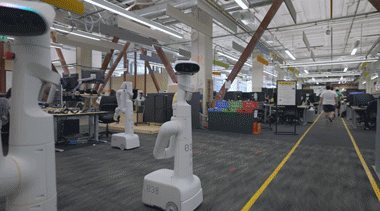
Existe esa opinión: el mundo robótico actual es muy similar al mundo informático de hace 50 años. Hay muchas discusiones y opiniones optimistas sobre lo que los robots pueden ayudar a las personas a hacer en su vida diaria, pero lo que es seguro es que todavía queda un largo camino por recorrer en el futuro.
La mayoría de los robots son como las computadoras centrales de los años 1960 y 1970: máquinas especializadas costosas, operadas por expertos y que realizan tareas especializadas en entornos especialmente diseñados.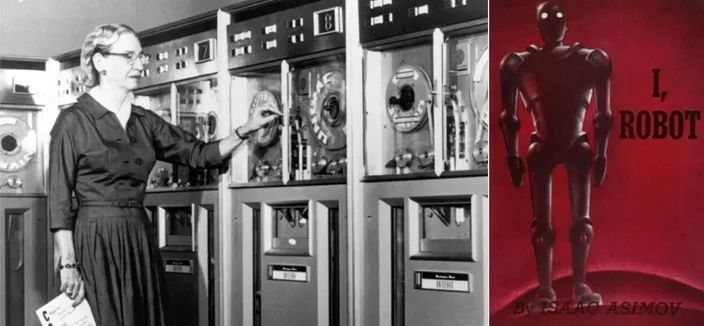
A series of innovations, especially the invention of the microprocessor, made computers cheaper, smaller, and more powerful than anyone thought. At this time, we are also at the node of a similar transformation in robotics. The latest advances in machine learning, coupled with increasingly sophisticated and advanced sensor technology and low-cost hardware, mean that we are closer than ever to making robots mainstream.
We know that humans can naturally combine vision, understanding, navigation and action to walk around and achieve their goals, and robots usually require careful instructions and coding to accomplish these things. This is why robots quickly become very complicated to perform tasks that we consider easy in a highly variable environment.
En la actualidad, existen muchos actores en diversas áreas de servicios, como servicios a domicilio, distribución de terminales, limpieza comercial y orientación y explicación. Pero ¿a qué nivel y etapa ha llegado el campo de la robótica?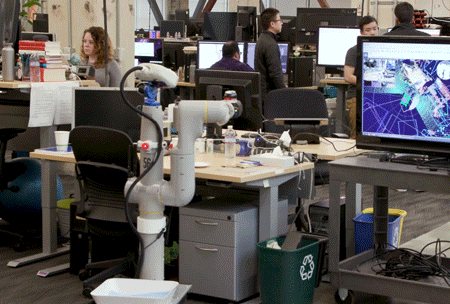
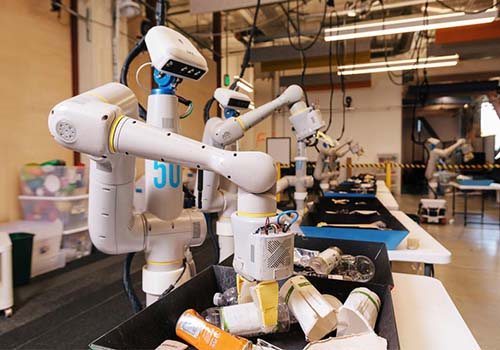
We have noticed that Google, the ceiling-level company in the AI field, has released a noteworthy news that Google’s parent company Alphabet has deployed more than 100 autonomous robots around its offices to perform cleaning, garbage sorting and other simple tasks. This task was contracted to these robots with onboard artificial intelligence software, from Alphabet's Everyday Robots company, which has a sense of immediate vision of raising soldiers for thousands of days.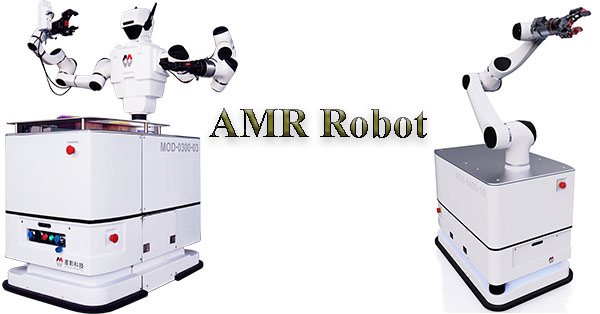
También estamos intentando explorar esta empresa de robots tan representativa para comprender las capacidades que los robots pueden alcanzar ahora y su pensamiento orientado al futuro.
It is understood that the reason why Alphabet has to deploy so many of its own robots is to build a general-purpose robot that can learn by itself and handle multiple tasks in an "unstructured" environment, instead of just targeting one in a single laboratory environment. Pre-programmed for specific tasks.
Actualmente, se están clasificando, reciclando y limpiando alrededor de 100 prototipos de las mesas en el campus de Google en el Área de la Bahía.
The main reason for this is to allow robots to function in the daily environment. It is necessary to get rid of the painstaking coding of them, but to complete specific structured tasks at the right time and in the right way. The final conclusion is that engineers must teach machines to perform useful tasks, not just program them. 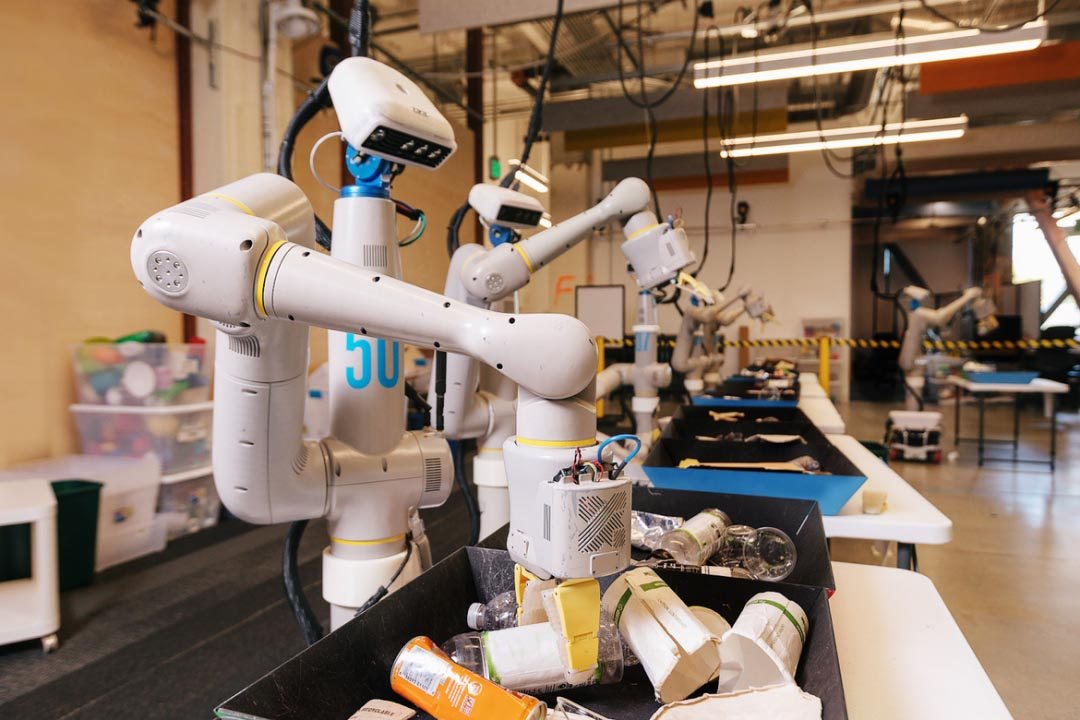
They arranged tasks such as garbage sorting and cleaning for the robots in the office area. In a typical office, because no one screens garbage to check for contamination, it is a very valuable question to let robots do this work. Now the same garbage sorting robot can be equipped with a squeegee to wipe the table, and can learn to open the door with the same gripper that grabs the cup.
Estas máquinas tienen una gran base con ruedas con un poste largo que se extiende hacia afuera. En la parte superior hay un conjunto de cámaras múltiples, con un sensor lidar giratorio ubicado debajo para "comprender el mundo que te rodea".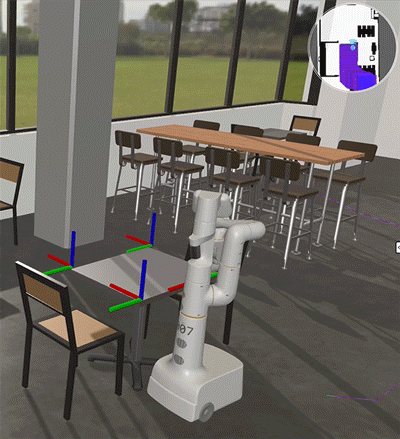
In order for these robots to learn how to complete these tasks, engineers use a variety of machine learning techniques. These include simulation, reinforcement learning and collaborative learning. Every night, tens of thousands of virtual robots practice garbage sorting in a virtual office in a cloud simulator; then transfer their training to real robots to improve their sorting capabilities. This real-world training is then re-integrated into the simulated training data and shared with other robots in order to share the experience and learning of each robot with all robots.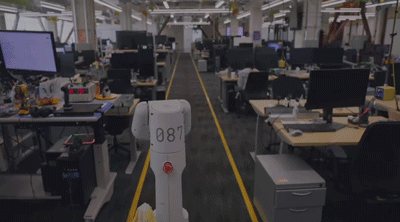
Después de un aprendizaje de tan alta intensidad, ahora es posible aprender tareas complejas (por ejemplo, abrir puertas) en un día, con una tasa de éxito mayor que hace cinco años, cuando se necesitaban "cuatro meses" para agarrar objetos.
En los últimos meses, estos robots han clasificado miles de trozos de basura y han reducido el nivel de contaminación por basura en la oficina del 20% (el nivel cuando la gente pone los artículos en palés) a menos del 5%.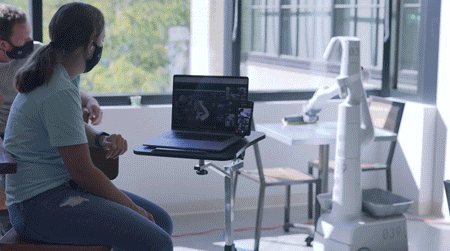
En conjunto, demuestran que es posible crear unasistema de robot de IA that integrates all the functions of the robot and can do some really useful things: reduce the pollution level to less than 5%, and successfully transfer waste from the landfill. Second, they proved that robots can learn how to perform new tasks in the real world through practice, instead of having engineers "hand-write" every new task, anomaly, or improvement.
¿Realmente puedes sentir que tal fuerza de los robots está impulsando la llegada de un mundo más inteligente? Detrás de esto hay una empresa que no se puede evitar, y es esta empresa llamada Everyday Robots. También es hora de presentar algo de este papel clave.
Se originaron en la Moon Landing Plant X de Google y trabajaron con el equipo de Google para construir un nuevo tipo de robot. Un robot que puede aprender por sí solo y puede ayudar a cualquiera (casi) en cualquier cosa.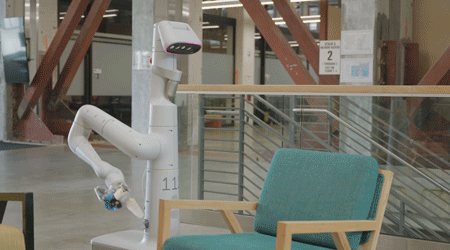
Su visión es crear robots que sean transformadores para el mundo físico, al igual que el poder transformador de nuestra computadora en el mundo digital. Pero para hacer esto, primero necesitamos resolver el problema más difícil de la robótica: construir robots que puedan aprender cómo ayudarnos a manejar todo.
Today's robots are very good at three things-strength, precision, and repetition. But they are really bad in other ways: understand the new space and environment, and do more than one thing. In short, their very narrow abilities come from people who program them to solve only one problem in an environment.
So how to crack, in order to bridge the gap between today's single-purpose robots and tomorrow's auxiliary robots, their company is building robots that live in our world and can learn by themselves. This is a multifaceted challenge, even more difficult than making self-driving cars, because robotics has no rules to follow. 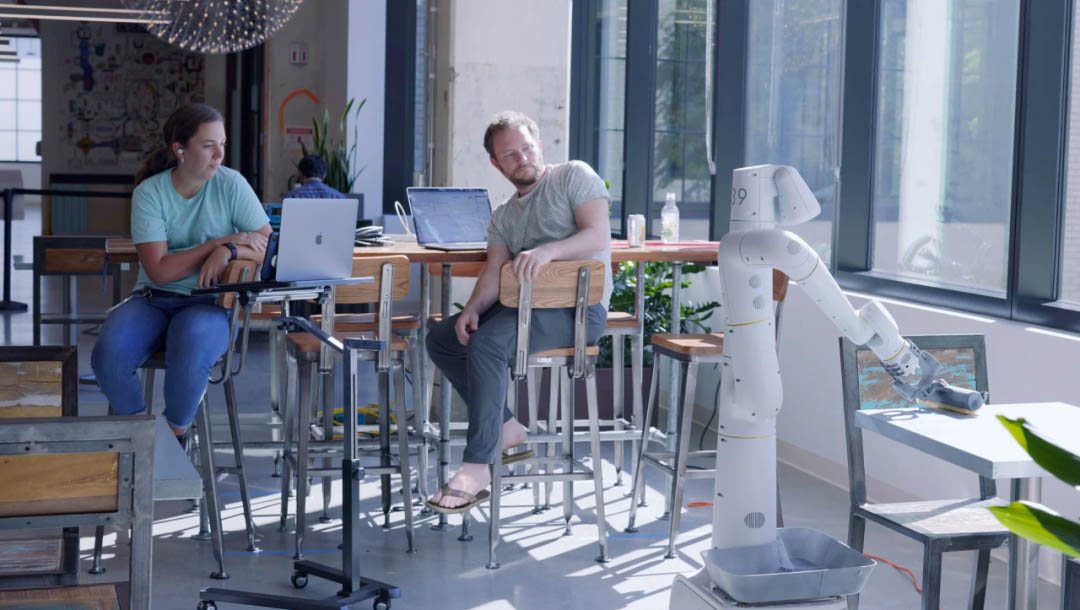
"Nos estamos alejando de un mundo donde los robots deben ser codificados cuidadosamente y hacia un futuro donde los robots pueden aprender". Este es el objetivo en el que siempre ha enfatizado Everyday Robots.
They seek to turn the assistant robots in science fiction into reality. Doing so requires solving the most difficult problems in robotics. Once reached, this can solve the small problems that take up billions of hours a day and provide people all over the world with precious time to do things that can unleash our potential.
Compared with the meta-universe, aside from the virtual world, robots may be more real. Once the technology and products are mature, it will push humans to trust robots to handle time-consuming, repetitive and boring daily tasks. A world in which we can choose to spend our time on things that really matter will also come out.
Robot de servicio de IA; camarera robot; camarero robot.