I vilken utsträckning har roboten utvecklats nu?
I det ögonblick då det illusoriska metauniversumet sveper över skärmen med hög frekvens, är denna fråga nästan som en parallell existens, som lockar vår nyfikenhet. För det handlar om processen med intelligent liv, och kvaliteten och effektiviteten i att låta robotar tjäna oss människor.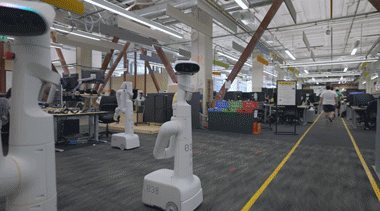
Det finns en sådan syn: Dagens robotvärld är mycket lik datorvärlden för 50 år sedan. Det finns många diskussioner och optimistiska åsikter om vad robotar kan hjälpa människor att göra i deras dagliga liv, men vad som är säkert är att det fortfarande är en lång väg kvar att gå i framtiden.
De flesta robotar är som stordatorer på 1960- och 1970-talen: dyra specialiserade maskiner som drivs av experter och utför specialiserade uppgifter i specialdesignade miljöer.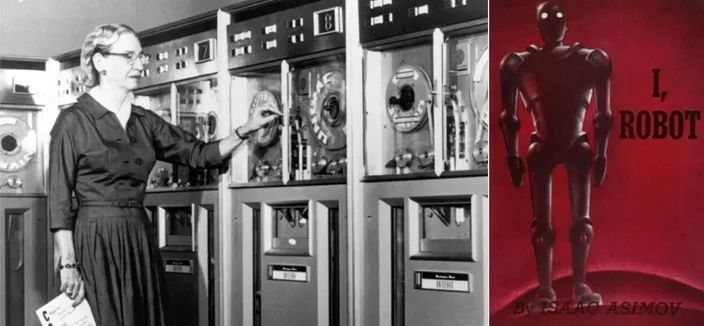
A series of innovations, especially the invention of the microprocessor, made computers cheaper, smaller, and more powerful than anyone thought. At this time, we are also at the node of a similar transformation in robotics. The latest advances in machine learning, coupled with increasingly sophisticated and advanced sensor technology and low-cost hardware, mean that we are closer than ever to making robots mainstream.
We know that humans can naturally combine vision, understanding, navigation and action to walk around and achieve their goals, and robots usually require careful instructions and coding to accomplish these things. This is why robots quickly become very complicated to perform tasks that we consider easy in a highly variable environment.
I dagsläget finns många aktörer inom olika tjänsteområden som hemtjänst, terminaldistribution, kommersiell städning samt vägledning och förklaring. Men vilken nivå och stadie har robotteknikområdet nått?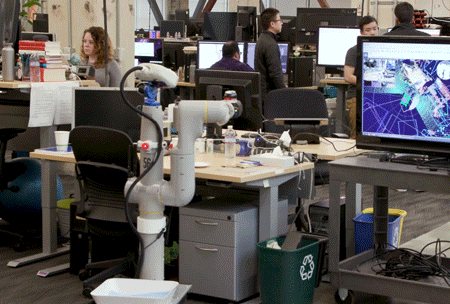
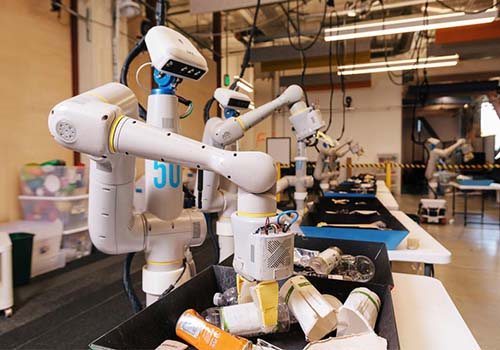
We have noticed that Google, the ceiling-level company in the AI field, has released a noteworthy news that Google’s parent company Alphabet has deployed more than 100 autonomous robots around its offices to perform cleaning, garbage sorting and other simple tasks. This task was contracted to these robots with onboard artificial intelligence software, from Alphabet's Everyday Robots company, which has a sense of immediate vision of raising soldiers for thousands of days.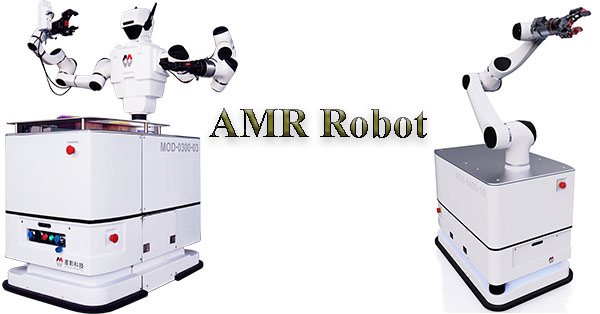
Vi försöker också utforska detta mycket representativa robotföretag för att förstå de möjligheter som robotar kan nå nu och deras framtidsorienterade tänkande.
It is understood that the reason why Alphabet has to deploy so many of its own robots is to build a general-purpose robot that can learn by itself and handle multiple tasks in an "unstructured" environment, instead of just targeting one in a single laboratory environment. Pre-programmed for specific tasks.
För närvarande sorteras, återvinns och torkas omkring 100 prototyper från tabellerna på Googles campus i Bay Area.
The main reason for this is to allow robots to function in the daily environment. It is necessary to get rid of the painstaking coding of them, but to complete specific structured tasks at the right time and in the right way. The final conclusion is that engineers must teach machines to perform useful tasks, not just program them. 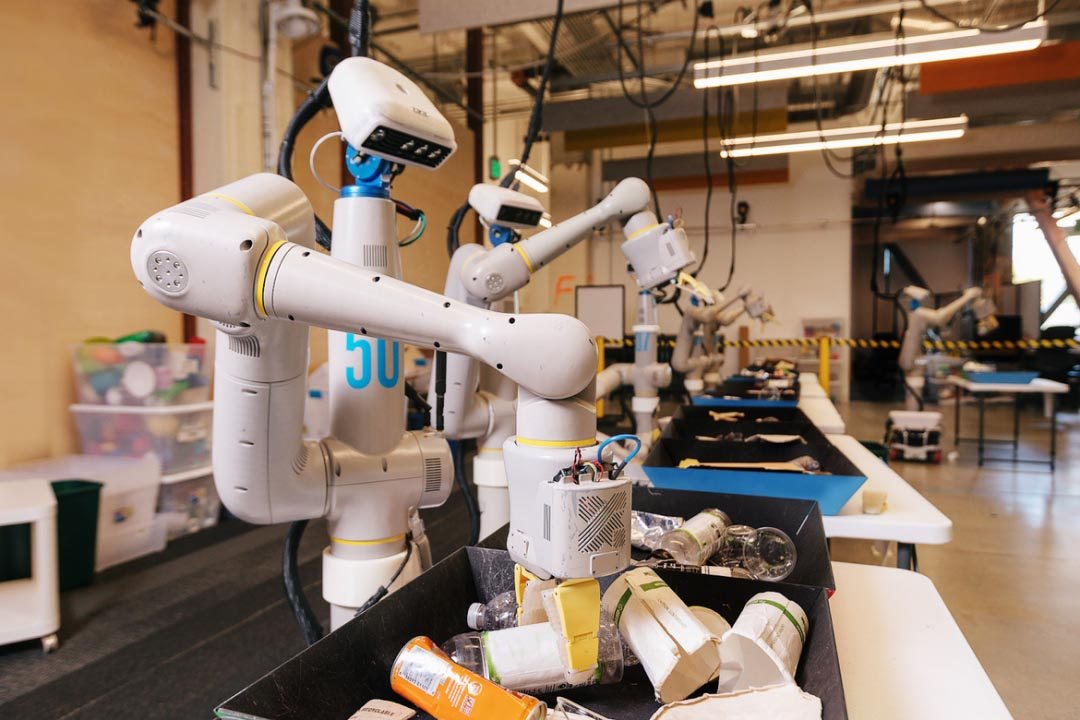
They arranged tasks such as garbage sorting and cleaning for the robots in the office area. In a typical office, because no one screens garbage to check for contamination, it is a very valuable question to let robots do this work. Now the same garbage sorting robot can be equipped with a squeegee to wipe the table, and can learn to open the door with the same gripper that grabs the cup.
Dessa maskiner har en stor hjulbas med en lång stolpe som sträcker sig utåt. Längst upp finns en array med flera kameror, med en roterande lidarsensor placerad nedanför för att "förstå världen omkring dig".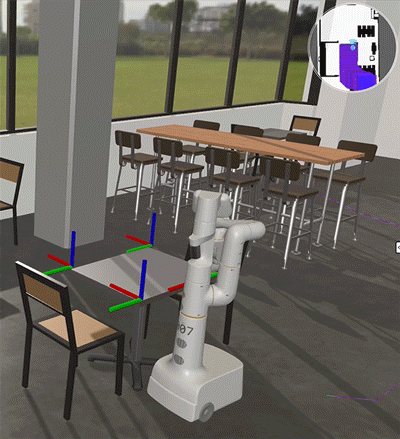
In order for these robots to learn how to complete these tasks, engineers use a variety of machine learning techniques. These include simulation, reinforcement learning and collaborative learning. Every night, tens of thousands of virtual robots practice garbage sorting in a virtual office in a cloud simulator; then transfer their training to real robots to improve their sorting capabilities. This real-world training is then re-integrated into the simulated training data and shared with other robots in order to share the experience and learning of each robot with all robots.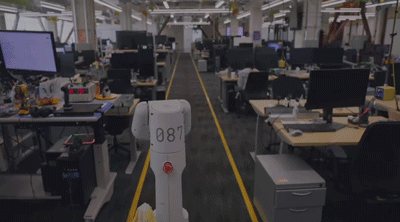
Efter ett sådant högintensivt lärande är det nu möjligt att lära sig komplexa uppgifter (till exempel att öppna dörrar) på en dag, med en högre framgångsgrad än för fem år sedan, då det tog "fyra månader" att greppa föremål.
Under de senaste månaderna har dessa robotar sorterat tusentals bitar av skräp och minskat nivån av skräpföroreningar på kontoret från 20 % (nivån när människor lägger föremål i lastpallar) till mindre än 5 %.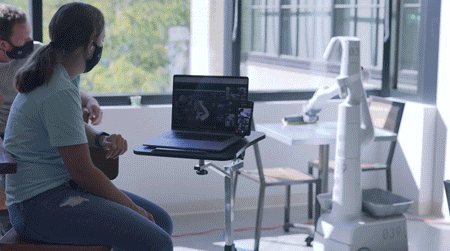
Sammantaget visar de att det går att skapa enAI robotsystem that integrates all the functions of the robot and can do some really useful things: reduce the pollution level to less than 5%, and successfully transfer waste from the landfill. Second, they proved that robots can learn how to perform new tasks in the real world through practice, instead of having engineers "hand-write" every new task, anomaly, or improvement.
Kan du verkligen känna att en sådan kraft från robotar driver ankomsten till en smartare värld? Bakom detta ligger ett sådant företag som inte går att undvika, och det är detta företag som heter Everyday Robots. Det är också dags att introducera en del av denna nyckelroll.
De kom från Googles Moon Landing Plant X och arbetade med Googles team för att bygga en ny typ av robot. En robot som kan lära sig själv och kan hjälpa vem som helst (nästan) vad som helst.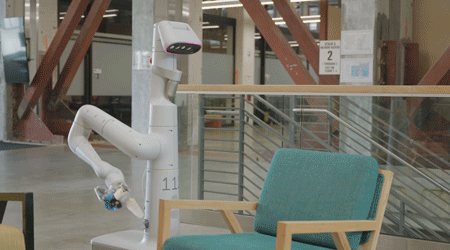
Deras vision är att skapa robotar som är transformativa för den fysiska världen, precis som vår dators transformativa kraft i den digitala världen. Men för att göra detta måste vi först lösa det svåraste problemet med robotar som bygger robotar som kan lära sig hur de hjälper oss att hantera allt.
Today's robots are very good at three things-strength, precision, and repetition. But they are really bad in other ways: understand the new space and environment, and do more than one thing. In short, their very narrow abilities come from people who program them to solve only one problem in an environment.
So how to crack, in order to bridge the gap between today's single-purpose robots and tomorrow's auxiliary robots, their company is building robots that live in our world and can learn by themselves. This is a multifaceted challenge, even more difficult than making self-driving cars, because robotics has no rules to follow. 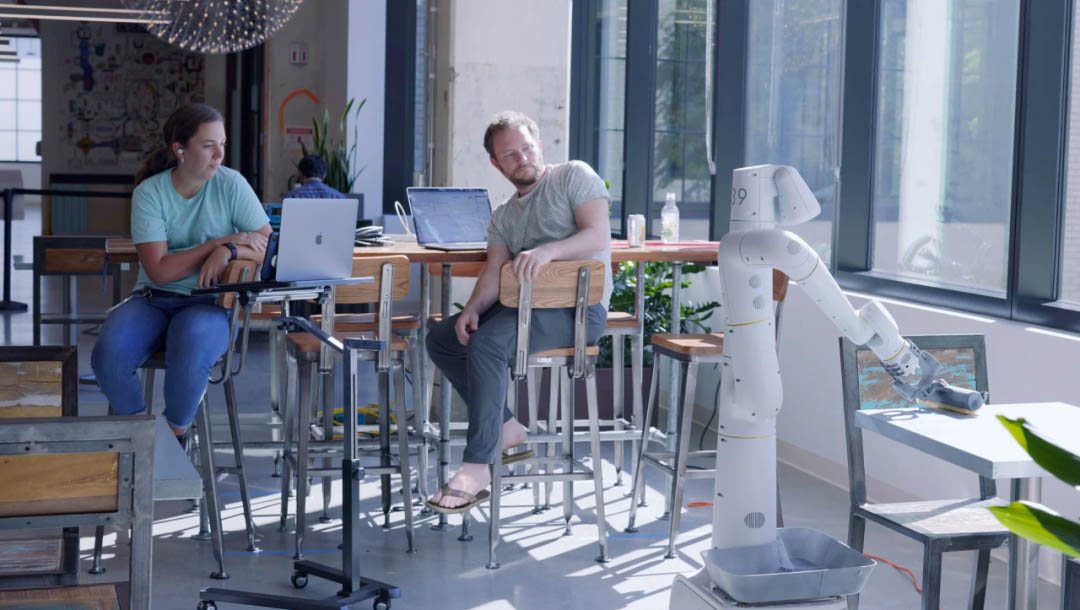
"Vi går bort från en värld där robotar måste kodas noggrant, och mot en framtid där robotar kan lära sig." Detta är målet som Everyday Robots alltid har betonat.
They seek to turn the assistant robots in science fiction into reality. Doing so requires solving the most difficult problems in robotics. Once reached, this can solve the small problems that take up billions of hours a day and provide people all over the world with precious time to do things that can unleash our potential.
Compared with the meta-universe, aside from the virtual world, robots may be more real. Once the technology and products are mature, it will push humans to trust robots to handle time-consuming, repetitive and boring daily tasks. A world in which we can choose to spend our time on things that really matter will also come out.
AI-tjänst Robot;robot servitris;robot servitör.