2020 yılına son iki ay kala küresel salgın hâlâ tedirginliğini sürdürüyor. Salgın her ne kadar insanlar arasındaki mesafeyi açsa da bireysel sektörlerin uygulama geliştirmesini de teşvik etti. Depo lojistik robotu da bunlardan biri.
Geçtiğimiz hafta sona eren CeMAT Asya Asya Uluslararası Lojistik Fuarı'nda çeşitli robotik çözümler yoğun ilgi gördü. Yeniden yerleştirilen raflardan insanlara, çöp kutularından insanlara, hafiflik ve esnekliği vurgulayan siparişlere kadar otomasyon teknolojisi her yerdedir.
Salgının yalnızca halkın robotlar ve yapay zeka gibi teknolojilerin değerinin gerçek anlamda farkına varmasını sağlamakla kalmayıp, aynı zamanda yaşamın her kesiminden üretim yöntemlerinde reform yapılmasının aciliyetini yeniden değerlendirmesini teşvik ettiğini görmek zor değil.
At the end of October, the National Development and Reform Commission and other six ministries and commissions jointly issued a document, proposing the implementation of a robot and smart equipment promotion plan, and speeding up the promotion and application of automation and intelligent equipment. For enterprises, it is the general trend to introduce suitable man-machine collaboration solutions to improve efficiency and stability.
Under the joint attention of policy, capital and public opinion, the concept of robot automation that has attracted much attention has been further pushed to the front. However, the lessons learned from the robot industry bubble around 2014 are still vivid. Is this new wave of enthusiasm to follow the trend and create a gimmick, or is it true?
"Çifte 11" ile örtüşüyorsa, örnek olarak e-ticaret depolama ve lojistik robotlarını da inceleyebiliriz.
İvme: Amazon, bir depo robotu şirketini 775 milyon dolara devraldı
Mart 2012'de Amazon, Kiva Systems adlı bir şirketi 775 milyon dolar nakit karşılığında satın aldığını duyurdu ve AGV (otomatik yönlendirmeli araçlar) ürünlerini Amazon'un depo ağına dahil etti.
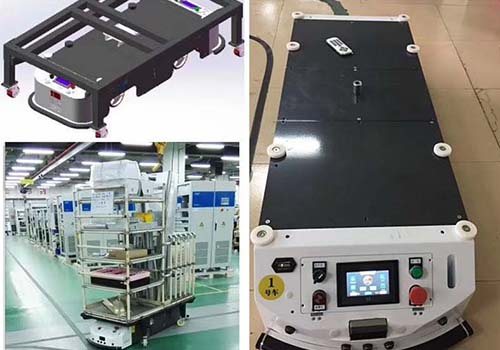
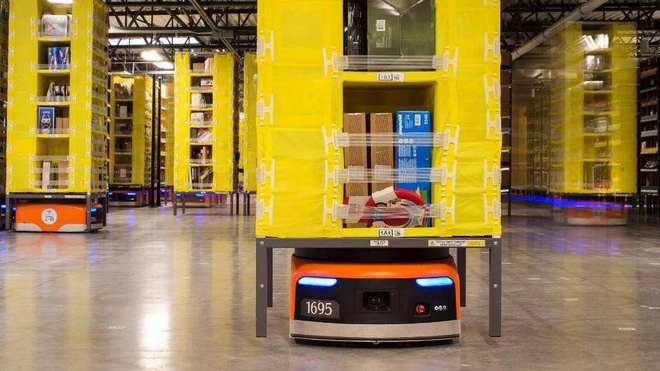 Simply put, an AGV is a robot car that can walk along a prescribed navigation path through navigation methods such as electromagnetic tracks and QR codes. This type of robot was mainly used in the field of manufacturing in the early days. Major global auto factories such as Toyota and Volkswagen all widely used AGV in manufacturing and assembly lines.
With the "blessing" of the big brother and weather vane Amazon, the AGV concept quickly became popular in the e-commerce logistics circle. In China on the other side of the ocean, recruits and veterans such as Hairou Innovation, Siasun, Kuaicang, and Jizhijia are competing to enter the game. According to the Geek Park report, as of the end of 2018, according to incomplete statistics, more than 50 warehousing AGV companies have appeared in China.
In fact, around 2018, the European and American industries began to reassess the general applicability of AGV in the field of e-commerce warehousing. After several years of verification, everyone found that the flexibility of AGV seems to be unable to adapt to the impulsive fluctuations in e-commerce business volume-because every time an AGV is added to the warehouse, the environment must be rearranged. The heavy investment in the early stage and the superimposed cost in the later stage have put the payback cycle to the test.
In the Asian market, e-commerce warehousing AGVs have also experienced inadequacy. For example, Asian customers generally attach great importance to the effective use of the warehouse area, and the navigation guidance such as the QR code and track required by the AGV, as well as its fixed movement track, are not conducive to the improvement of the utilization rate of the warehouse area.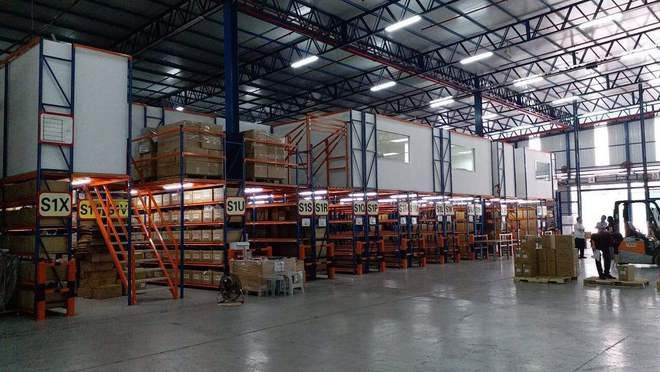 Ayrıca Güneydoğu Asya'daki birçok ülke büyük hammadde ve üretim ülkesi olup, yerel e-ticaretin üretimden satışa kadar olan süreci nispeten kısadır.
Unlike major importing countries such as Europe and the United States, e-commerce warehouses in Southeast Asia do not have excessive storage requirements. Instead, distribution centers and picking centers dominate. Therefore, the AGV that is good at material handling seems to be in a dilemma of uselessness.
Böylece, önümüzdeki birkaç yıl içinde, başka bir robot türü yavaş yavaş AGV'nin yerini aldı ve e-ticaret depolama lojistiği tartışmalarında sıklıkla ortaya çıktı. Bu AMR'dir.
Evrim: Bir robot sürücüsüz bir araba gibi otonom bir şekilde hareket ettiğinde
AMR'ye otonom denirmobil robotlar(otonom mobil robotlar). Hepsi "A" harfiyle başlasa da AGV "otomatik çekiş", AMR ise "otonom hareket" anlamına geliyor, bu da ikisi arasında temel farklar olduğunu gösteriyor.
Relying on visual perception and AI algorithms, the core value of AMR is to perceive the surrounding environment in real time and quickly respond appropriately. Just like a driverless car, the route can be adjusted at any time according to road conditions. In the warehouse environment, AMR is like a "superman" with ultra-high precision, autonomously and flexibly cooperating with human partners. Örnek olarak AMR'yi seçin.
After the robot receives the order, it will immediately plan the optimal route according to the location of each product. After "walking" to the corresponding position, the robot in the area will be prompted to put the product into the bin, and then move to the next picking point until The whole order picking is completed and transported to the packing station. Moreover, multiple orders can be picked per trip.
Bu sayede personelin yalnızca kendi alanlarındaki malların yüklenmesi veya paketlenmesinde işbirliği yapması yeterli olacak ve AMR, sipariş alımından paketlemeye kadar verimliliğin önünü açacak ve siparişlerin otomasyonunu insanlara gerçekleştirecek.
İlginç bir şekilde, yukarıda bahsedilen Kiva Systems'in ilk ekibi, dünyadaki en tanınmış iki depo AMR markasını ayırdı: Locus Robotics ve 6 River Systems. İkincisi, e-ticaret devi Shopify tarafından 2019'da 450 milyon dolara satın alındı.
Çin'de akıllı teknoloji ve yurt dışı pazarlarda popüler olan Syrius meşalesi var ve AMR odaklı başka şirketler de doğdu. Ayrıca çok sayıda geleneksel lojistik AGV oyuncusu da AMR'ye geçiş yaptı.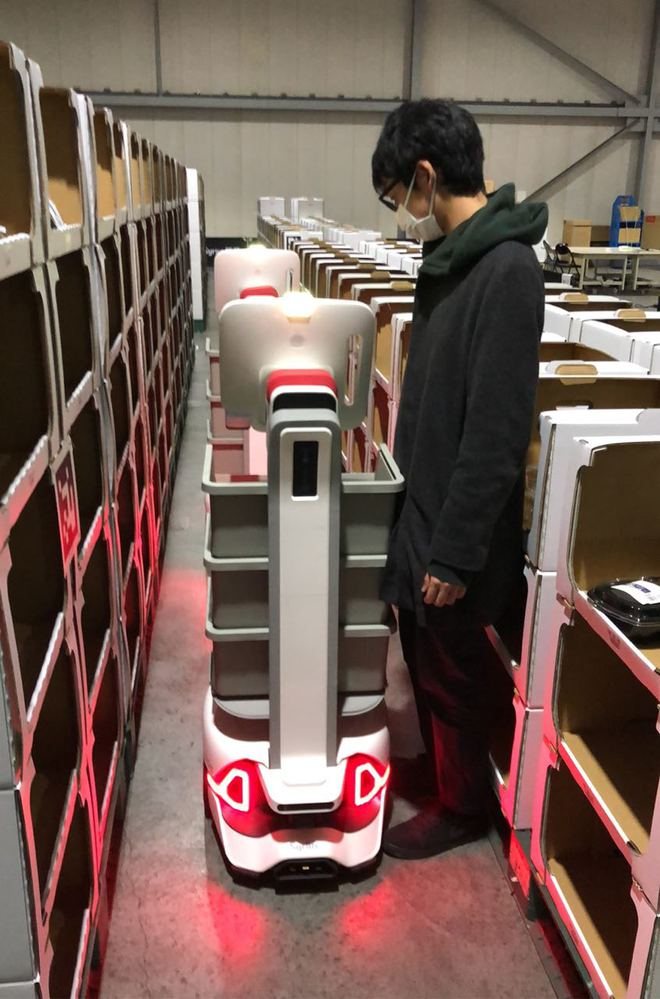 Yetkili bir veri ajansı olan Interact Analysis tarafından hazırlanan bir rapora göre, küresel AMR sektörünün 2019'daki toplam geliri, bir önceki yıla göre %70 artışla 749 milyon ABD doları oldu; Yeni tacın gölgesinde kalan 2020 yılında bile yıllık büyüme oranının yüzde 45'e ulaşması bekleniyor.
Salgın sonrası dönemdeki gelişimi büyük ilgi gördü.
Gelecek: Kapalı döngü otomasyonuna yönelik çok ürünlü form hizmeti segmentasyon senaryoları
Although the future can be expected, it cannot be ignored that AMR is still in the early stage of landing as a whole. In the sub-scenarios of e-commerce warehousing and logistics such as picking, warehousing, etc., we have seen some commercial-proven solutions, but a mature full-scenario product closed loop has not yet been formed.
There is no doubt that for the application and promotion of new technologies, first focusing on subdivided scenes for refined polishing, and then considering platform expansion is the most practical and reliable path. Even in the companies that have grown from the AGV era, we have seen Hairou's innovation that still focuses on box-type storage robots, and we have also seen Jizhijia who focus on building a product matrix.
In contrast, there are still large blanks of the e-commerce warehousing AMR market to be explored. Whether companies can get through customer pain points and product experience as soon as possible, and whether core technologies can be quickly transplanted and product platformization will be the key to determining the next competitive landscape. We sincerely hope that people who believe in the value of science and technology can move forward steadily with awe and focus, and do not let new production methods become a bargaining chip for capital games.
AGV arabalar