เหลือเวลาอีกสองเดือนสุดท้ายในปี 2020 การแพร่ระบาดทั่วโลกยังคงน่าวิตก แม้ว่าการแพร่ระบาดจะเปิดระยะห่างระหว่างผู้คน แต่ยังช่วยส่งเสริมการพัฒนาแอปพลิเคชันของแต่ละอุตสาหกรรมอีกด้วย หุ่นยนต์โลจิสติกส์คลังสินค้าเป็นหนึ่งในนั้น
ที่งาน CeMAT Asia Asia International Logistics Exhibition ซึ่งสิ้นสุดเมื่อสัปดาห์ที่แล้ว โซลูชั่นหุ่นยนต์ต่างๆ ได้รับความสนใจอย่างมาก ตั้งแต่ชั้นวางที่ปรับใช้ใหม่ไปจนถึงผู้คน ถังขยะถึงผู้คน ไปจนถึงคำสั่งซื้อที่เน้นความเบาและความยืดหยุ่น เทคโนโลยีระบบอัตโนมัติมีอยู่ทุกที่
ไม่ใช่เรื่องยากที่จะเห็นว่าโรคระบาดนี้ไม่เพียงแต่ทำให้ประชาชนตระหนักถึงคุณค่าของเทคโนโลยี เช่น หุ่นยนต์และปัญญาประดิษฐ์ อย่างแท้จริงเท่านั้น แต่ยังส่งเสริมให้ทุกสาขาอาชีพประเมินความเร่งด่วนของการปฏิรูปวิธีการผลิตอีกครั้ง
At the end of October, the National Development and Reform Commission and other six ministries and commissions jointly issued a document, proposing the implementation of a robot and smart equipment promotion plan, and speeding up the promotion and application of automation and intelligent equipment. For enterprises, it is the general trend to introduce suitable man-machine collaboration solutions to improve efficiency and stability.
Under the joint attention of policy, capital and public opinion, the concept of robot automation that has attracted much attention has been further pushed to the front. However, the lessons learned from the robot industry bubble around 2014 are still vivid. Is this new wave of enthusiasm to follow the trend and create a gimmick, or is it true?
ตรงกับ "Double 11" เราอาจสำรวจคลังสินค้าอีคอมเมิร์ซและหุ่นยนต์ลอจิสติกส์เป็นตัวอย่างด้วย
แรงผลักดัน: Amazon เข้าซื้อกิจการบริษัทหุ่นยนต์คลังสินค้าด้วยมูลค่า 775 ล้านดอลลาร์
ในเดือนมีนาคม พ.ศ. 2555 Amazon ได้ประกาศซื้อกิจการบริษัทชื่อ Kiva Systems ด้วยเงินสด 775 ล้านดอลลาร์ และแนะนำผลิตภัณฑ์ AGV (ยานพาหนะนำทางอัตโนมัติ) เข้าสู่เครือข่ายคลังสินค้าของ Amazon
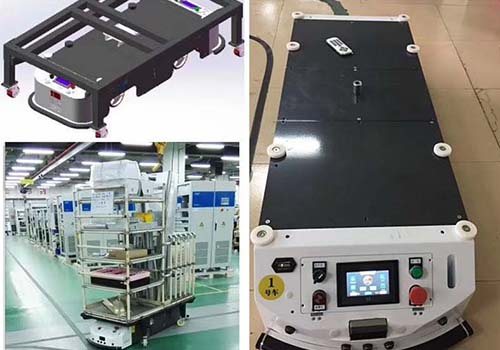
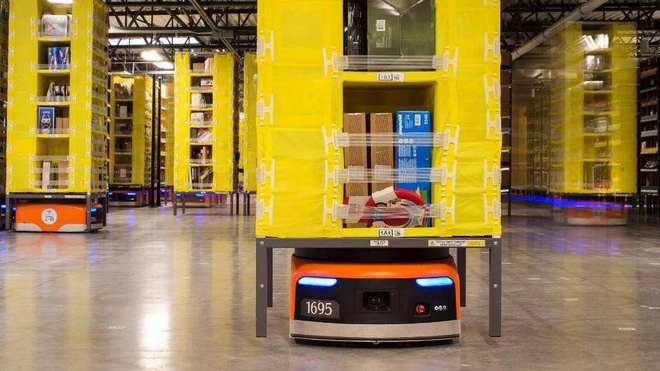 Simply put, an AGV is a robot car that can walk along a prescribed navigation path through navigation methods such as electromagnetic tracks and QR codes. This type of robot was mainly used in the field of manufacturing in the early days. Major global auto factories such as Toyota and Volkswagen all widely used AGV in manufacturing and assembly lines.
With the "blessing" of the big brother and weather vane Amazon, the AGV concept quickly became popular in the e-commerce logistics circle. In China on the other side of the ocean, recruits and veterans such as Hairou Innovation, Siasun, Kuaicang, and Jizhijia are competing to enter the game. According to the Geek Park report, as of the end of 2018, according to incomplete statistics, more than 50 warehousing AGV companies have appeared in China.
In fact, around 2018, the European and American industries began to reassess the general applicability of AGV in the field of e-commerce warehousing. After several years of verification, everyone found that the flexibility of AGV seems to be unable to adapt to the impulsive fluctuations in e-commerce business volume-because every time an AGV is added to the warehouse, the environment must be rearranged. The heavy investment in the early stage and the superimposed cost in the later stage have put the payback cycle to the test.
In the Asian market, e-commerce warehousing AGVs have also experienced inadequacy. For example, Asian customers generally attach great importance to the effective use of the warehouse area, and the navigation guidance such as the QR code and track required by the AGV, as well as its fixed movement track, are not conducive to the improvement of the utilization rate of the warehouse area.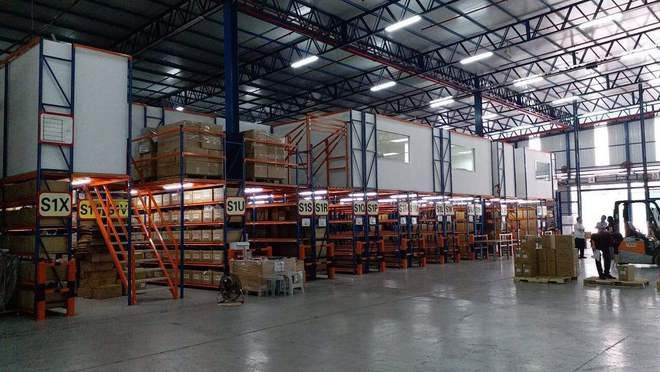 นอกจากนี้ หลายประเทศในเอเชียตะวันออกเฉียงใต้ยังเป็นประเทศด้านวัตถุดิบและการผลิตขนาดใหญ่ และกระบวนการตั้งแต่การผลิตจนถึงการขายอีคอมเมิร์ซในท้องถิ่นก็ค่อนข้างสั้น
Unlike major importing countries such as Europe and the United States, e-commerce warehouses in Southeast Asia do not have excessive storage requirements. Instead, distribution centers and picking centers dominate. Therefore, the AGV that is good at material handling seems to be in a dilemma of uselessness.
ดังนั้นในอีกไม่กี่ปีข้างหน้า หุ่นยนต์อีกประเภทหนึ่งจึงค่อย ๆ เข้ามาแทนที่ AGV และมักปรากฏในการอภิปรายเกี่ยวกับโลจิสติกส์คลังสินค้าอีคอมเมิร์ซ มันคือ AMR
วิวัฒนาการ: เมื่อหุ่นยนต์เคลื่อนที่อัตโนมัติเหมือนกับรถไร้คนขับ
AMR เรียกว่าเป็นอิสระหุ่นยนต์เคลื่อนที่(หุ่นยนต์เคลื่อนที่อัตโนมัติ) แม้ว่าทั้งหมดจะขึ้นต้นด้วยตัวอักษร "A" แต่ AGV คือ "การยึดเกาะอัตโนมัติ" และ AMR คือ "การเคลื่อนไหวอัตโนมัติ" ซึ่งแสดงให้เห็นว่าทั้งสองมีความแตกต่างที่สำคัญ
Relying on visual perception and AI algorithms, the core value of AMR is to perceive the surrounding environment in real time and quickly respond appropriately. Just like a driverless car, the route can be adjusted at any time according to road conditions. In the warehouse environment, AMR is like a "superman" with ultra-high precision, autonomously and flexibly cooperating with human partners. เลือกใช้ AMR เป็นตัวอย่าง
After the robot receives the order, it will immediately plan the optimal route according to the location of each product. After "walking" to the corresponding position, the robot in the area will be prompted to put the product into the bin, and then move to the next picking point until The whole order picking is completed and transported to the packing station. Moreover, multiple orders can be picked per trip.
ด้วยวิธีนี้ พนักงานเพียงแต่ต้องให้ความร่วมมือในการขนถ่ายหรือบรรจุสินค้าในพื้นที่ของตน และ AMR จะเพิ่มประสิทธิภาพตั้งแต่การรับคำสั่งซื้อไปจนถึงการบรรจุ และตระหนักถึงการสั่งซื้ออัตโนมัติให้กับผู้คน
สิ่งที่น่าสนใจคือทีมงานรุ่นแรกๆ ของ Kiva Systems ที่กล่าวถึงข้างต้นได้แยกแบรนด์ AMR สำหรับคลังสินค้าที่มีชื่อเสียงมากที่สุดในโลกสองแบรนด์ ได้แก่ Locus Robotics และ 6 River Systems หลังถูกซื้อกิจการโดย Shopify อีคอมเมิร์ซยักษ์ใหญ่ด้วยมูลค่า 450 ล้านดอลลาร์ในปี 2019
ในประเทศจีน มีเทคโนโลยีอัจฉริยะและคบเพลิง Syrius ซึ่งได้รับความนิยมในตลาดต่างประเทศ และบริษัทอื่นๆ ที่มุ่งเน้น AMR ก็ถือกำเนิดขึ้น นอกจากนี้ ผู้เล่น AGV โลจิสติกส์แบบดั้งเดิมจำนวนมากได้เปลี่ยนมาใช้ AMR เช่นกัน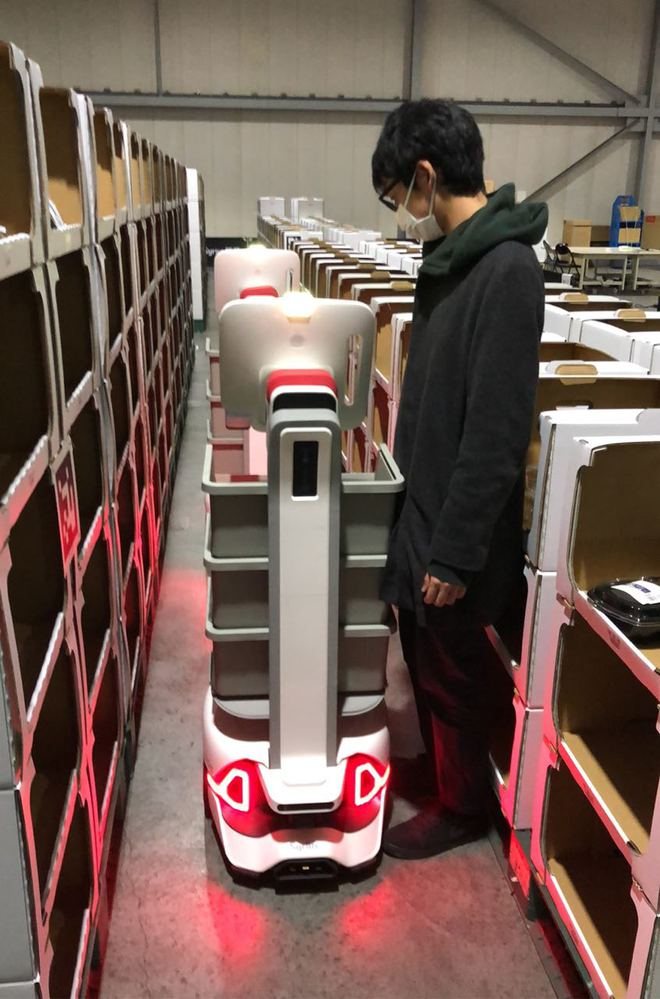 ตามรายงานของ Interact Analysis ซึ่งเป็นหน่วยงานข้อมูลที่เชื่อถือได้ รายได้รวมของอุตสาหกรรม AMR ทั่วโลกในปี 2019 อยู่ที่ 749 ล้านดอลลาร์สหรัฐ เพิ่มขึ้น 70% เมื่อเทียบเป็นรายปี แม้ในปี 2020 ซึ่งอยู่ภายใต้ร่มเงาของมงกุฎใหม่ คาดว่าอัตราการเติบโตต่อปีจะสูงถึง 45%
การพัฒนาในยุคหลังการแพร่ระบาดได้รับความสนใจอย่างมาก
อนาคต: สถานการณ์จำลองการแบ่งส่วนบริการแบบฟอร์มผลิตภัณฑ์หลายรายการ ไปสู่ระบบอัตโนมัติแบบวงปิด
Although the future can be expected, it cannot be ignored that AMR is still in the early stage of landing as a whole. In the sub-scenarios of e-commerce warehousing and logistics such as picking, warehousing, etc., we have seen some commercial-proven solutions, but a mature full-scenario product closed loop has not yet been formed.
There is no doubt that for the application and promotion of new technologies, first focusing on subdivided scenes for refined polishing, and then considering platform expansion is the most practical and reliable path. Even in the companies that have grown from the AGV era, we have seen Hairou's innovation that still focuses on box-type storage robots, and we have also seen Jizhijia who focus on building a product matrix.
In contrast, there are still large blanks of the e-commerce warehousing AMR market to be explored. Whether companies can get through customer pain points and product experience as soon as possible, and whether core technologies can be quickly transplanted and product platformization will be the key to determining the next competitive landscape. We sincerely hope that people who believe in the value of science and technology can move forward steadily with awe and focus, and do not let new production methods become a bargaining chip for capital games.
รถยนต์เอจีวี