Do roku 2020 zbývají poslední dva měsíce a celosvětová epidemie je stále nervózní. Epidemie sice otevřela vzdálenost mezi lidmi, ale zároveň podpořila rozvoj aplikací jednotlivých odvětví. Jedním z nich je skladový logistický robot.
Na veletrhu CeMAT Asia Asia International Logistics Exhibition, který skončil minulý týden, vzbudila velkou pozornost různá robotická řešení. Automatizační technika je všude, od přemístěných regálů pro lidi, od zásobníků pro lidi až po zakázky, které kladou důraz na lehkost a flexibilitu.
Není těžké vidět, že epidemie nejenže umožňuje veřejnosti skutečně si uvědomit hodnotu technologií, jako jsou roboti a umělá inteligence, ale také podporuje všechny oblasti života, aby přehodnotily naléhavost reformy výrobních metod.
At the end of October, the National Development and Reform Commission and other six ministries and commissions jointly issued a document, proposing the implementation of a robot and smart equipment promotion plan, and speeding up the promotion and application of automation and intelligent equipment. For enterprises, it is the general trend to introduce suitable man-machine collaboration solutions to improve efficiency and stability.
Under the joint attention of policy, capital and public opinion, the concept of robot automation that has attracted much attention has been further pushed to the front. However, the lessons learned from the robot industry bubble around 2014 are still vivid. Is this new wave of enthusiasm to follow the trend and create a gimmick, or is it true?
se shoduje s "Double 11", mohli bychom také prozkoumat skladové a logistické roboty elektronického obchodu jako příklad.
Dynamika: Amazon převzal společnost skladových robotů za 775 milionů dolarů
V březnu 2012 Amazon oznámil akvizici společnosti s názvem Kiva Systems za 775 milionů dolarů v hotovosti a zavedl své produkty AGV (automated guided vehicles) do sítě skladů Amazonu.
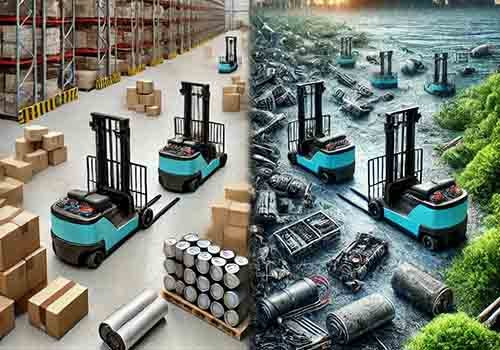
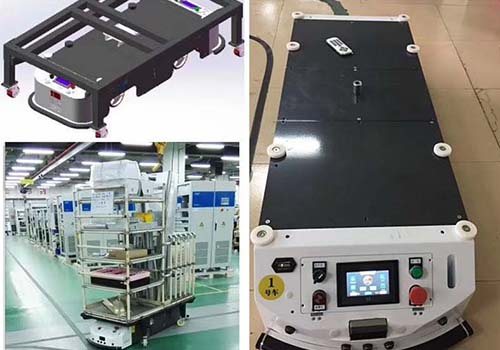
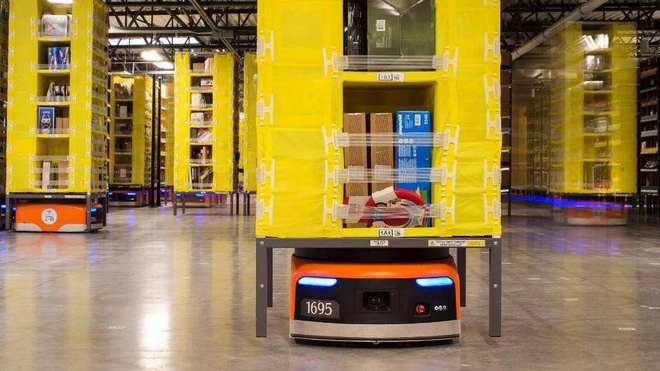 Simply put, an AGV is a robot car that can walk along a prescribed navigation path through navigation methods such as electromagnetic tracks and QR codes. This type of robot was mainly used in the field of manufacturing in the early days. Major global auto factories such as Toyota and Volkswagen all widely used AGV in manufacturing and assembly lines.
With the "blessing" of the big brother and weather vane Amazon, the AGV concept quickly became popular in the e-commerce logistics circle. In China on the other side of the ocean, recruits and veterans such as Hairou Innovation, Siasun, Kuaicang, and Jizhijia are competing to enter the game. According to the Geek Park report, as of the end of 2018, according to incomplete statistics, more than 50 warehousing AGV companies have appeared in China.
In fact, around 2018, the European and American industries began to reassess the general applicability of AGV in the field of e-commerce warehousing. After several years of verification, everyone found that the flexibility of AGV seems to be unable to adapt to the impulsive fluctuations in e-commerce business volume-because every time an AGV is added to the warehouse, the environment must be rearranged. The heavy investment in the early stage and the superimposed cost in the later stage have put the payback cycle to the test.
In the Asian market, e-commerce warehousing AGVs have also experienced inadequacy. For example, Asian customers generally attach great importance to the effective use of the warehouse area, and the navigation guidance such as the QR code and track required by the AGV, as well as its fixed movement track, are not conducive to the improvement of the utilization rate of the warehouse area.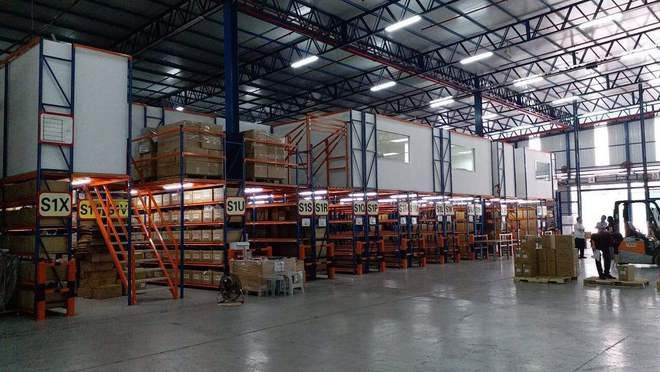 Mnohé země v jihovýchodní Asii jsou navíc velké surovinové a produkční země a proces od výroby k prodeji místního elektronického obchodu je relativně krátký.
Unlike major importing countries such as Europe and the United States, e-commerce warehouses in Southeast Asia do not have excessive storage requirements. Instead, distribution centers and picking centers dominate. Therefore, the AGV that is good at material handling seems to be in a dilemma of uselessness.
V dalších letech tak AGV postupně nahradil jiný typ robota a často se objevoval v diskuzi o skladové logistice elektronického obchodu. Je to AMR.
Evoluce: Když se robot pohybuje autonomně jako auto bez řidiče
AMR se nazývá autonomnímobilní roboty(autonomní mobilní roboti). Ačkoli všechny začínají písmenem „A“, AGV je „automatická trakce“ a AMR je „autonomní pohyb“, což ukazuje, že mezi nimi existují zásadní rozdíly.
Relying on visual perception and AI algorithms, the core value of AMR is to perceive the surrounding environment in real time and quickly respond appropriately. Just like a driverless car, the route can be adjusted at any time according to road conditions. In the warehouse environment, AMR is like a "superman" with ultra-high precision, autonomously and flexibly cooperating with human partners. Vezměte si jako příklad výběr AMR.
After the robot receives the order, it will immediately plan the optimal route according to the location of each product. After "walking" to the corresponding position, the robot in the area will be prompted to put the product into the bin, and then move to the next picking point until The whole order picking is completed and transported to the packing station. Moreover, multiple orders can be picked per trip.
Zaměstnanci tak potřebují spolupracovat pouze s nakládkou nebo balením zboží ve svých oblastech a AMR otevře efektivitu od získávání objednávek až po balení a realizuje automatizaci objednávek lidem.
Zajímavé je, že raný tým Kiva Systems zmíněný výše oddělil dvě nejznámější skladové značky AMR na světě: Locus Robotics a 6 River Systems. Ten v roce 2019 získal e-commerce gigant Shopify za 450 milionů dolarů.
V Číně existují chytré technologie a pochodeň Syrius, která je populární na zámořských trzích, a zrodily se další společnosti zaměřené na AMR. Kromě toho se na AMR transformovalo také velké množství tradičních hráčů logistického AGV.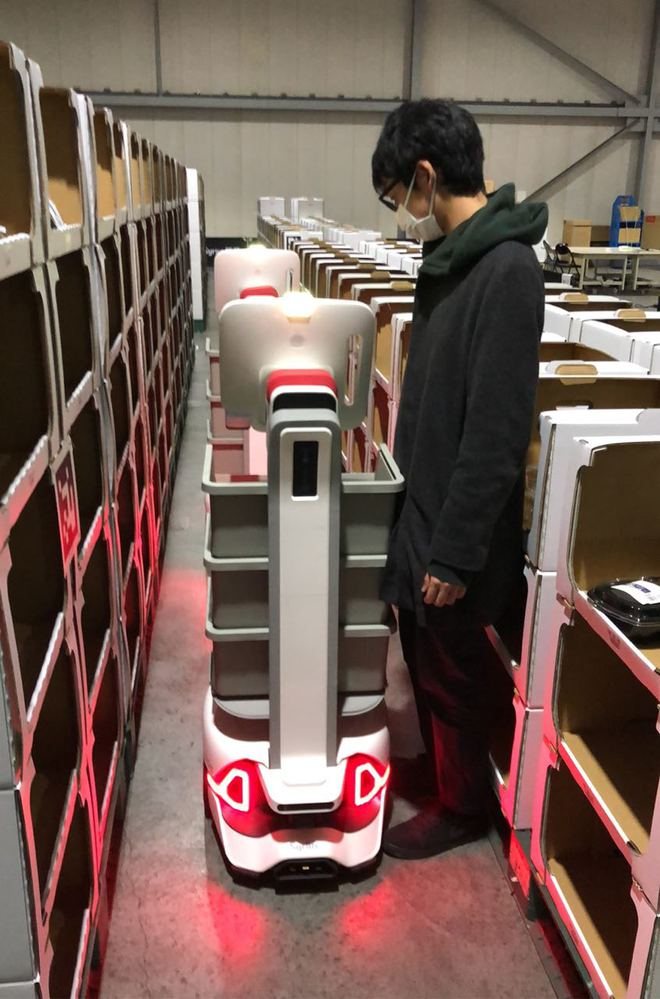 Podle zprávy Interact Analysis, autoritativní datové agentury, byly celkové příjmy globálního odvětví AMR v roce 2019 749 milionů USD, což představuje meziroční nárůst o 70 %. i v roce 2020, který je zahalen ve stínu nové koruny, se očekává, že meziroční tempo růstu dosáhne 45 %.
Jeho vývoj v postepidemické éře přitáhl značnou pozornost.
Budoucnost: Scénáře segmentace služeb pro více produktů směrem k automatizaci s uzavřenou smyčkou
Although the future can be expected, it cannot be ignored that AMR is still in the early stage of landing as a whole. In the sub-scenarios of e-commerce warehousing and logistics such as picking, warehousing, etc., we have seen some commercial-proven solutions, but a mature full-scenario product closed loop has not yet been formed.
There is no doubt that for the application and promotion of new technologies, first focusing on subdivided scenes for refined polishing, and then considering platform expansion is the most practical and reliable path. Even in the companies that have grown from the AGV era, we have seen Hairou's innovation that still focuses on box-type storage robots, and we have also seen Jizhijia who focus on building a product matrix.
In contrast, there are still large blanks of the e-commerce warehousing AMR market to be explored. Whether companies can get through customer pain points and product experience as soon as possible, and whether core technologies can be quickly transplanted and product platformization will be the key to determining the next competitive landscape. We sincerely hope that people who believe in the value of science and technology can move forward steadily with awe and focus, and do not let new production methods become a bargaining chip for capital games.
agv auta