


Cobot Integration
A cobot is the fastest route to automation for 3–16 kg parts: typical deployment is 2–4 weeks, without fencing in most risk-assessed layouts. The trade-off is speed — a cobot runs at 60–70% of an industrial arm.
Automation Projects Stall Because Fixtures, Safety and Programming Take Longer Than the Robot Delivery.
Standard cells with a pre-engineered base, gripper and safety file, so only the fixture is custom.
- 3–30 kg payload
- ISO/TS 15066 risk assessment
- Graphical or Python programming
- Mobile-base ready (48 V)
Short Answer
A cobot is the fastest route to automation for 3–16 kg parts: typical deployment is 2–4 weeks, without fencing in most risk-assessed layouts. The trade-off is speed — a cobot runs at 60–70% of an industrial arm.
What Changes the Price
Recommended Platforms
Shortlist from the catalogue; all prices are FOB Shenzhen.
Not sure which one? Send the part drawing and rate — we return a cycle estimate within 48 h.
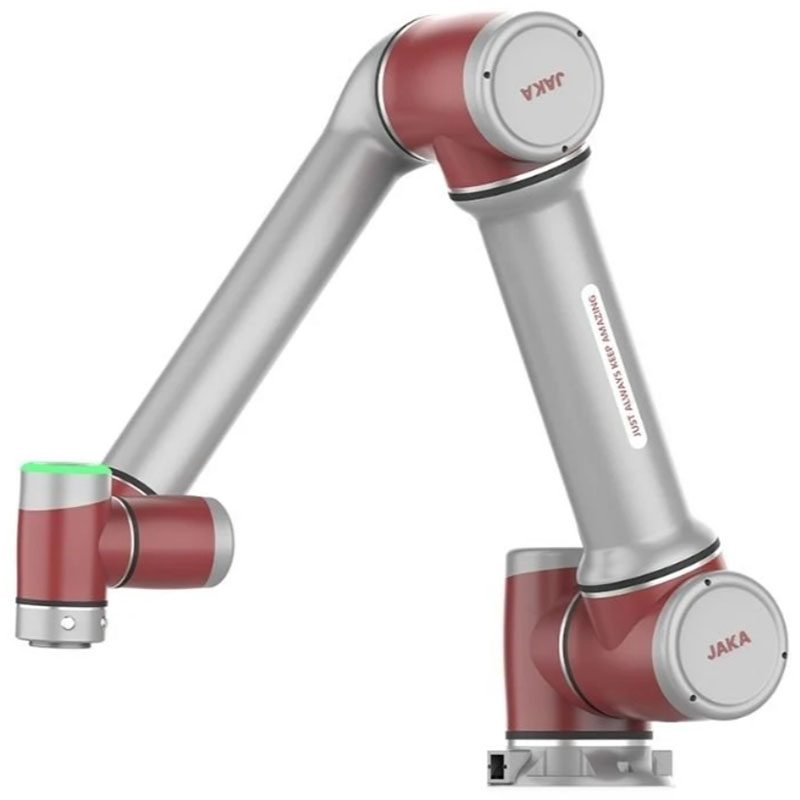
JAKA Zu 12 Collaborative Robot, 12 kg Payload
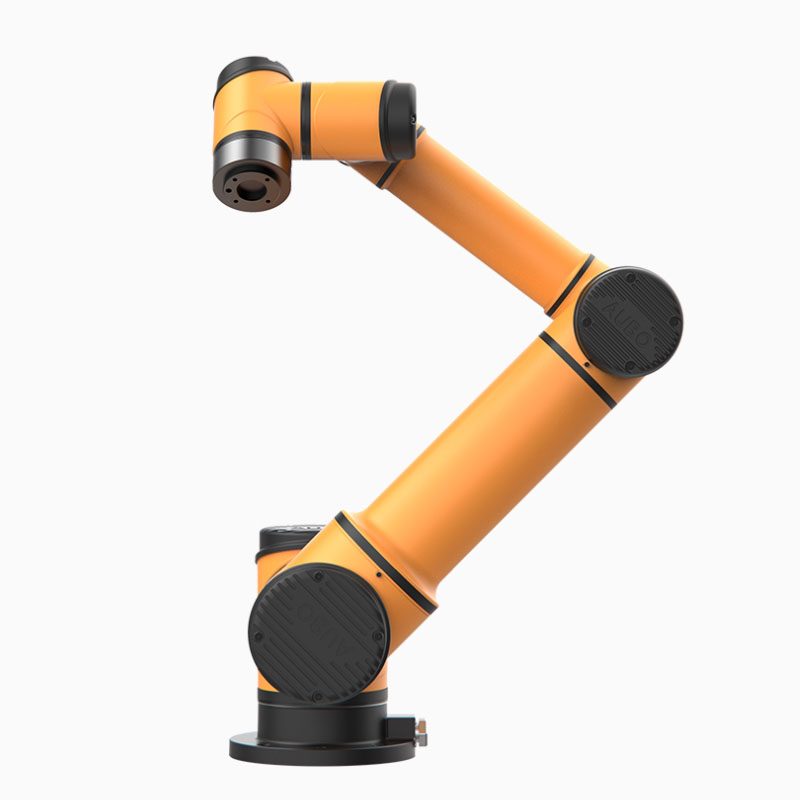
AUBO i16 Collaborative Robot, 16 kg Payload
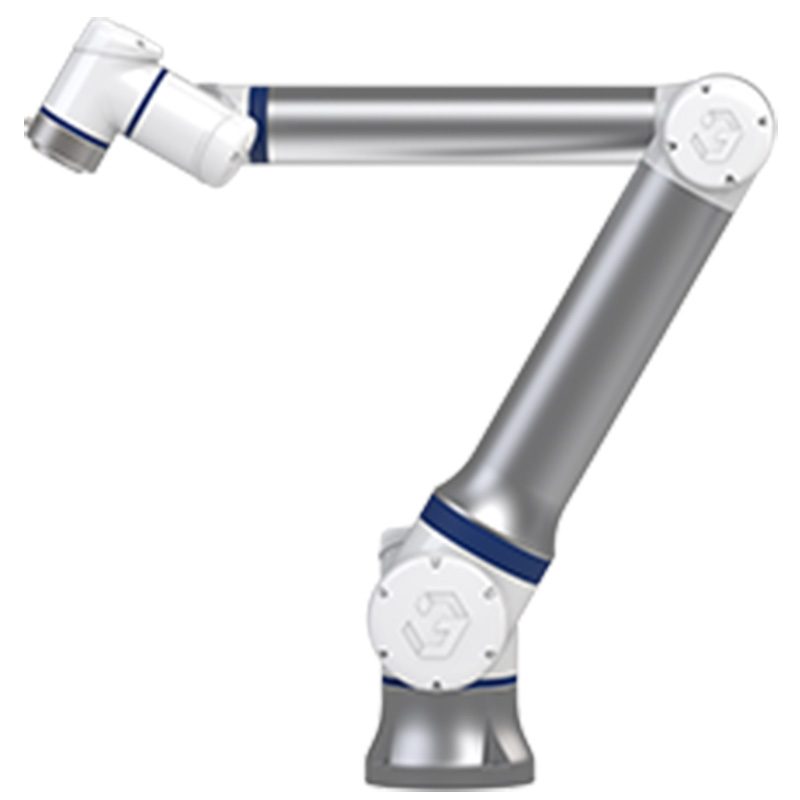
CS Series 12 kg Cobot with Force Control
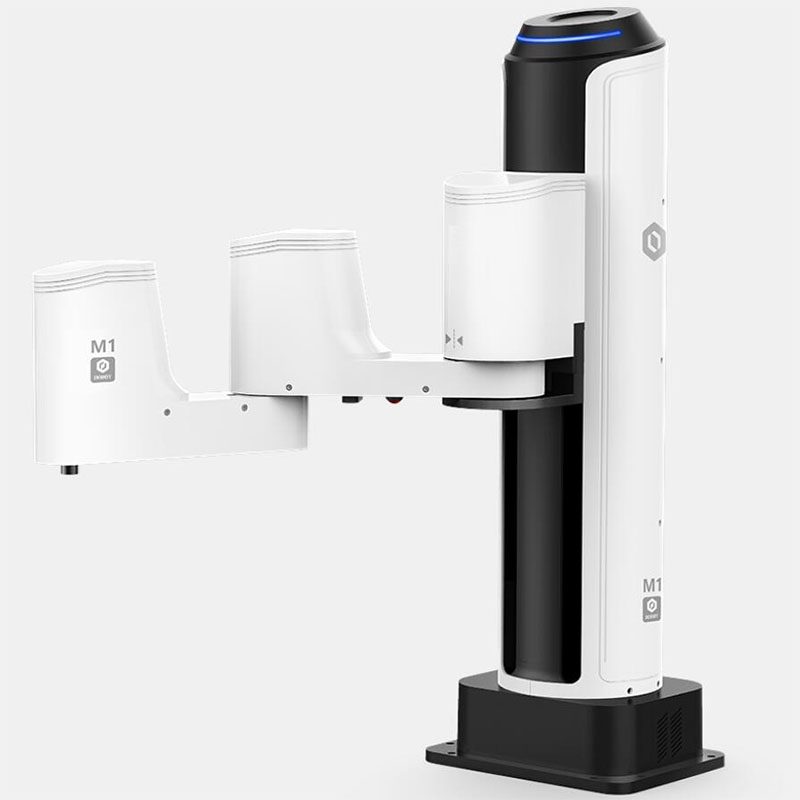
SCARA Collaborative Robot, 400 mm Reach
Buyer Questions
Do I need a safety fence?
Usually not, if the risk assessment confirms force and speed limits; we supply the file.
Can operators program it?
Yes — graphical block programming covers 80% of pick-and-place tasks.
What is the typical payback?
6–14 months for one-shift operation at 20+ parts per hour.
ROI Estimate
Illustrative only. Excludes maintenance, financing and ramp-up.