Hoe ziet een robotarm ontworpen voor ‘mens-computerinteractie’ eruit?
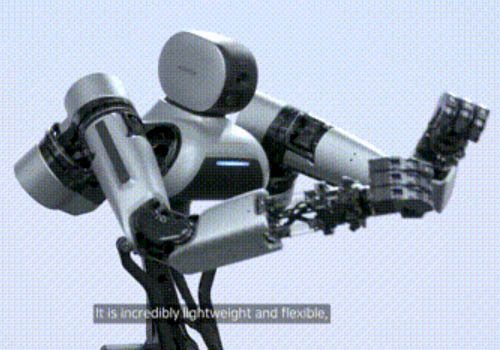
Deze robotarm richt zich op ‘veilig’ en ‘flexibel’ zijn en is zelfs lichter dan een menselijke arm. Het is een tweearmige robot uit Zuid-Korea - Ambidex. In 2019 introduceerden we het prototype, ontwikkeld door NAVER LABS.
Moederbedrijf NAVER staat bekend als de "Google van Zuid-Korea". Destijds had Ambidex slechts twee takken. Toen we elkaar na vijf jaar weer ontmoetten, leek het meer op een mens.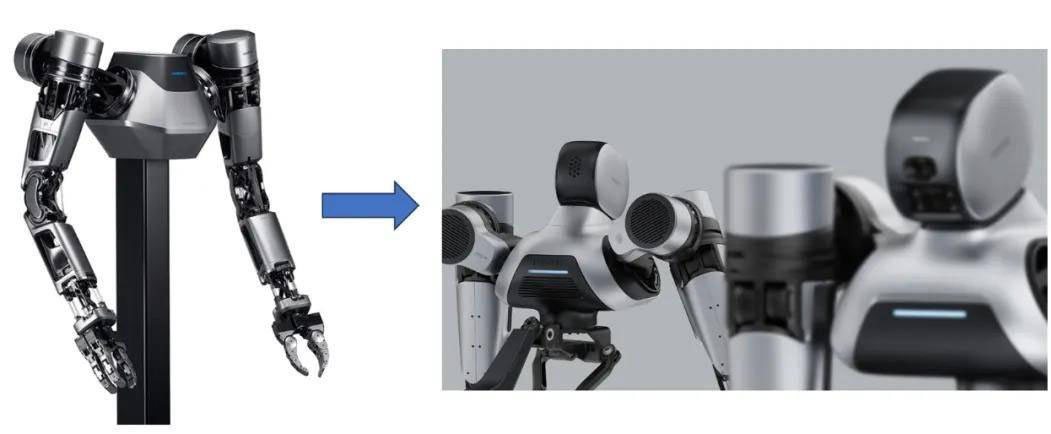
De grootste verandering is dat met het hoofd + romp + taille het bewegingsbereik en de stabiliteit enorm zijn verbeterd. Ambidex heeft ook zijn haptische apparaten geüpgraded en kan nu complexere taken uitvoeren, zoals het helpen van zijn "collega's" bij het wassen van hun gezicht: Ik ben ook een goede hand in de keuken.
Ik zal een zoete aardappel schillen zodat je deze kunt eten. Als je niets te doen hebt, laten we dan wat entertainment maken en tafeltennissen:▍Kabelaandrijving + nieuw minimalistisch ontwerp
The AMBIDEX arm uses a cable-driven mechanism that places all the heavy-duty actuators on the shoulder and body parts, which reduces the weight of the arm. A single robotic arm weighs only 2.6 kilograms, which is lighter than an adult male's arm.A lighter arm represents safety and flexibility, allowing it to safely interact with people, such as hugging and shaking hands:Despite its light weight, AMBIDEX can withstand a weight of 3kg and can run at a maximum speed of 5m/s.Like the human arm, the Ambidex arm also has 7 joint degrees of freedom.
Ambtenaren zeggen dat het innovatieve mechanisme tegelijkertijd de kracht en sterkte van elk gewricht kan vergroten, waardoor hetzelfde niveau van controle, prestaties en precisie mogelijk is als industriële robots!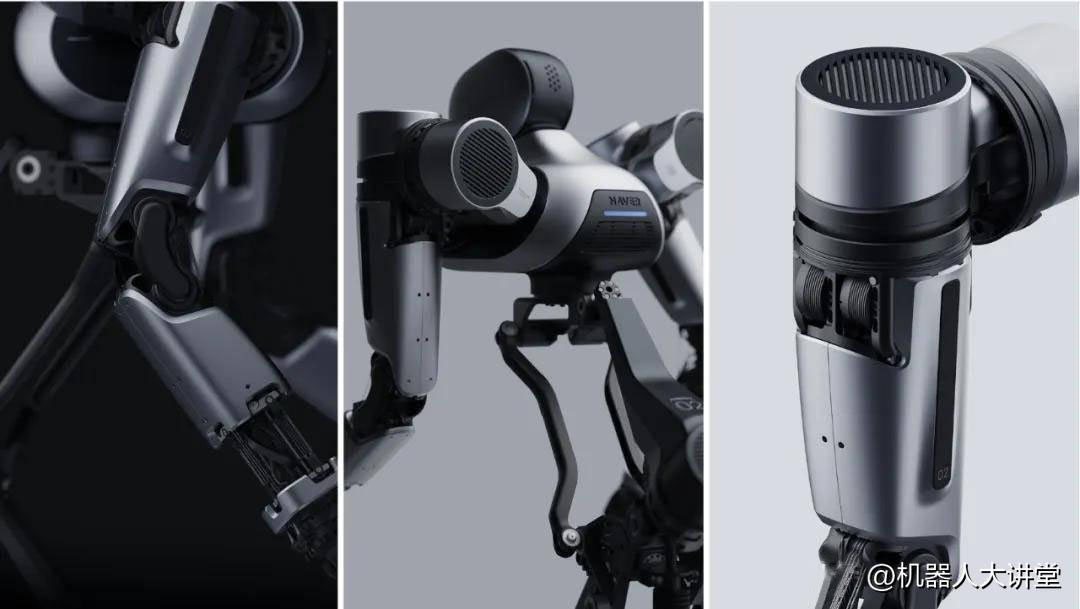
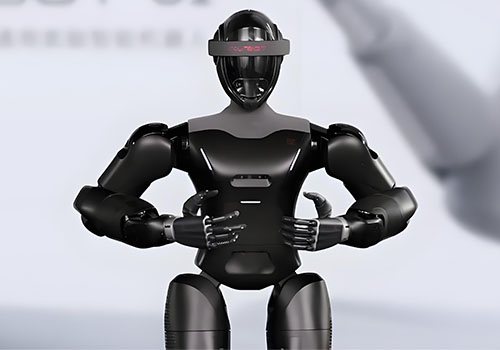
After adding new head, torso and waist designs, Ambidex looks cooler. However, NAVER LABS said that they did not want to sacrifice research efficiency for the sake of external image, so they adopted a "minimalist style" in appearance. The design uses black areas to hide sensors and bolted components, reducing visual complexity.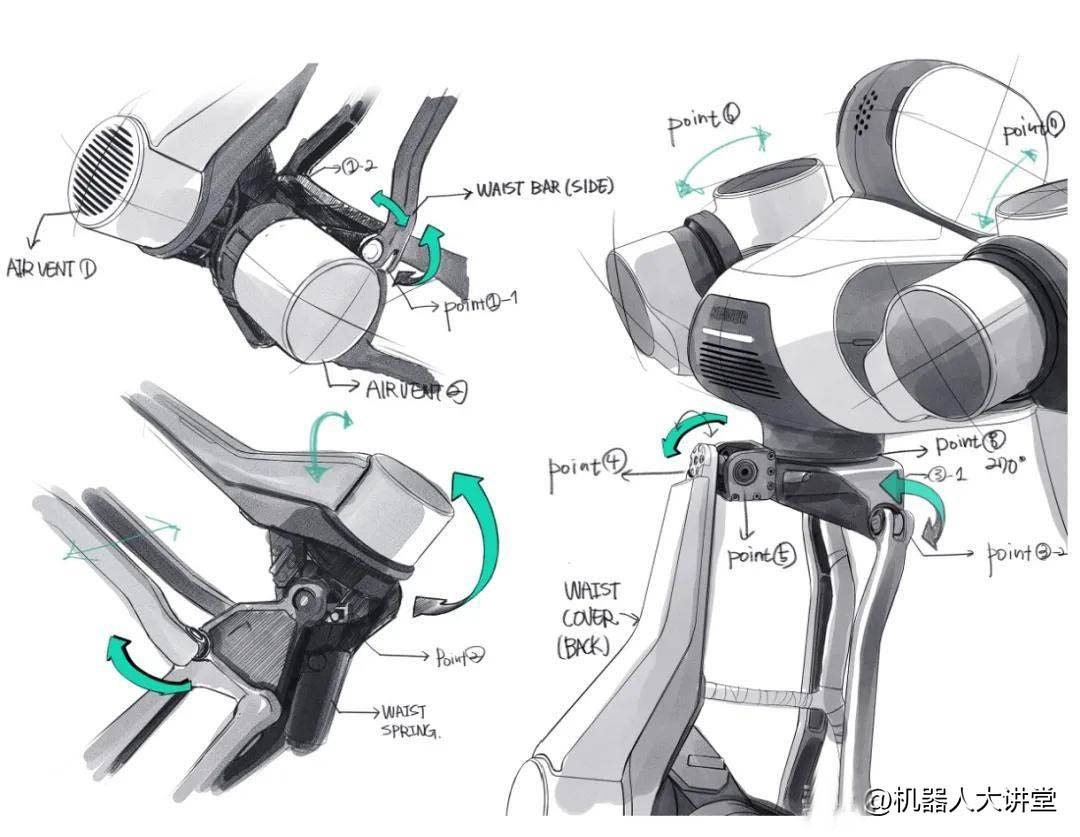
At the same time, considering the movement of the robot and the convenience of assembly, NAVER LABS minimized the cover configuration and focused on the details of the parting line so that the cover can be separated, retaining the wiring while reinterpreting it as a design element, during the display While maintaining the basic structure, it maximizes the overall visual balance and unity.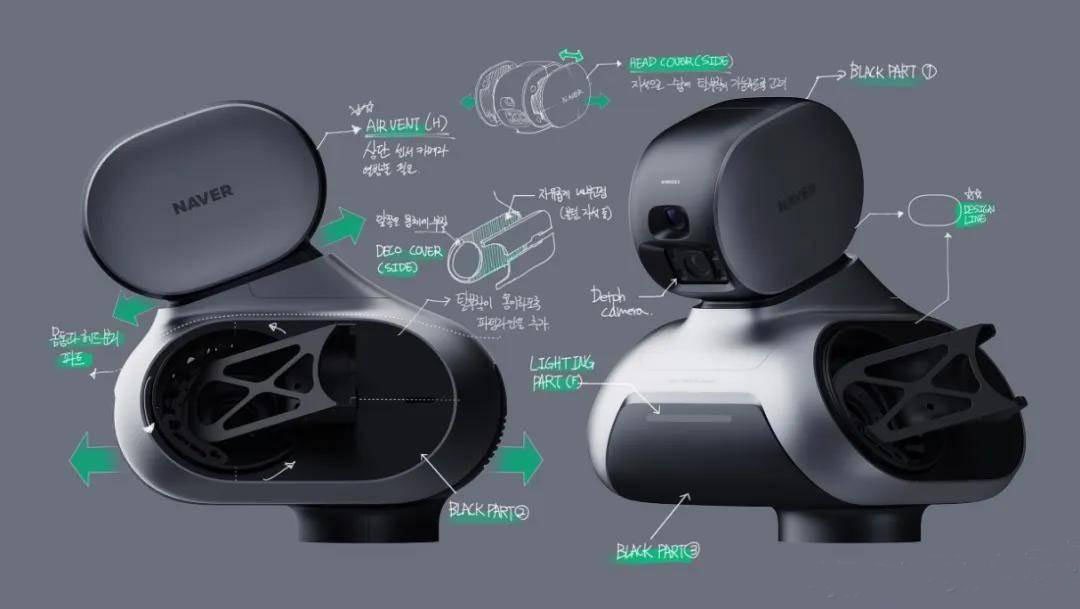
NAVER LABS heeft nog geen technische hoogtepunten van de "Humanoid Ambidex" aangekondigd, maar de bewegingen lijken wel soepeler en flexibeler.
▍Leer menselijke ‘fysieke intelligentie’
Kijk goed, wanneer Ambidex verschillende taken uitvoert, staat er een medewerker achter hem die zijn roem en prestaties verbergt: Het lijkt erop dat het personeel Ambidex controleert, maar in feite leert Ambidex menselijke "fysieke intelligentie".
In tegenstelling tot de meeste robotarmen die bewegen op basis van vooraf ingevoerde positie-informatie, is Ambidex ontworpen voor 'mens-computerinteractie' en moet absolute veiligheid garanderen bij ongestructureerde dagelijkse taken. Dus wat is menselijke fysieke intelligentie?
NAVER LABS said: In addition to conscious activities when humans interact with the external environment, there are many things that are unconscious. For example: when smearing jam, humans do not consider every movement of the fingers or the tiny force exerted on the wrist and fingers. The knowledge and intelligence based on this physical experience are called "physical intelligence".In order to impart "physical intelligence" to robots, NAVER LABS developed a tactile device.
Unlike common control devices, Ambidex's tactile device provides position and force data in a bilateral manner. Not only does it allow the user to send commands to the robot to move its position, but it also enables the user to feel the forces the robot is experiencing. People control robots through tactile devices to perform tasks, and at the same time, robots indirectly acquire human physical intelligence.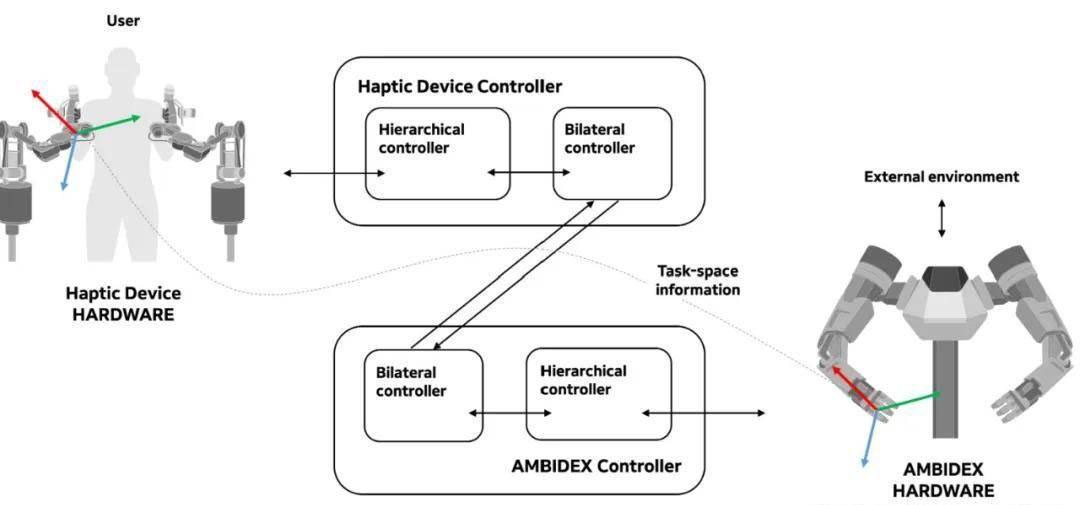
▍Tactiele uitrustingsupgrades, van het schillen van zoete aardappelen tot tafeltennissen
Laten we eens kijken hoe Ambidex tactiele apparaten gebruikt om zoete aardappelen te schillen: Hoewel het eenvoudig lijkt, wordt de hele actie uitgevoerd door de krachtcontrole van de robot en de bilaterale krachtoverdracht van het haptische apparaat.
Als een van beide niet goed werkt, ontstaat er overmatige wrijving tussen het mes en de aardappel, waardoor het ingrediënt, het gereedschap of de robot zelf mogelijk beschadigd raken.
“Peeling Sweet Potatoes” shows only Ambidex’s first-generation tactile device, which was subsequently upgraded by NAVER LABS. Haptic Device 2.0 has a larger movement space, and task performance for complex and detailed movements has also been significantly improved, including: the speed with which the robot responds to the operator's movements, and the efficiency with which users feel the forces felt by the robot.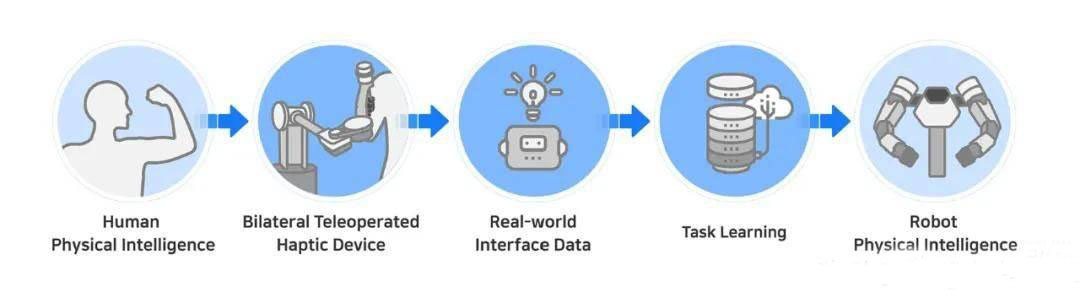
The upgraded haptic device can perform complex tasks involving fast movements, such as playing table tennis, where the racket must be quickly positioned in the correct position to align with the incoming ball.At the moment of impact (when the ball is struck), it must be moving with sufficient speed and in the correct direction.
Als de traagheid van het haptische apparaat iets groter zou zijn, of als er een vertraging zou optreden bij het overbrengen van de grootte en richting van de kracht van de menselijke beweging naar de robot, zou de pingpongdemonstratie niet succesvol zijn.
Although Ambidex has not yet achieved autonomous execution of tasks, perhaps this day is not too far away, because the goal of NAVER LABS is to use bilateral haptic devices as an effective tool to collect high-quality training data to improve the intelligence level of Ambidex and ultimately achieve autonomous execution. Task.▍ConclusieDe technologische roadmap van NAVER LABS voor Ambidex is duidelijk zichtbaar.
Het verzamelen van hoogwaardige mens-computer-interactiegegevens via bilaterale tactiele apparaten om het intelligente model van de robot te trainen. Dit idee van ‘samenwerkend leren tussen mens en machine’ kan worden beschouwd als een belangrijke technologische innovatie.
From the perspective of technical implementation, the quality and richness of data collected by bilateral tactile devices will directly affect the performance of robot intelligent algorithms. NAVER LABS needs to be further optimized in hardware design, sensor selection, signal processing and other aspects to ensure the accuracy, real-time and diversity of data. At the same time, how to design an efficient machine learning framework to extract common behavioral patterns and decision-making strategies from massive and complex interactive data is also a key challenge.
Dit vereist systematisch onderzoek op het gebied van diep leren, versterkend leren, transferleren en andere gebieden.
In addition, data-driven intelligence improvement is closely coupled with the robot's electromechanical control system. If Ambidex wants to finally achieve autonomous operation, it needs to make new breakthroughs in motion planning, force control, and dexterous operation. For example, how to achieve precise grasping and operation based on visual and tactile feedback? How to maintain balance and robustness in a dynamic environment? These are technical difficulties that need to be overcome urgently.
In general, the technical blueprint developed by NAVER LABS for Ambidex is practical and feasible, and its development idea of "people leading machines and being data-driven" represents the cutting-edge direction of robotics research. Currently, Ambidex is still in the stage of technology accumulation and iterative optimization. To truly grow into a fully autonomous intelligent system, it needs to continue to make efforts at multiple levels such as perception, cognition, decision-making, and control.
humanoïde robot; AI-robot; AI-servicerobot.