Jak vypadá robotická paže určená pro „interakci člověka s počítačem“?
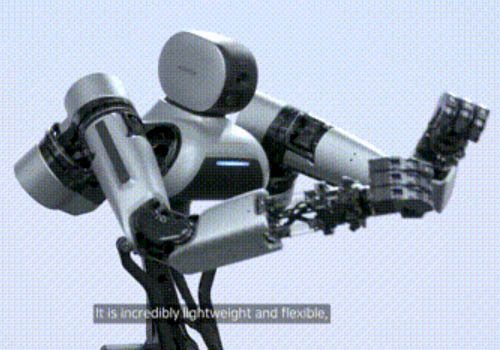
Tato robotická ruka se zaměřuje na to, aby byla „bezpečná“ a „flexibilní“ a je dokonce lehčí než lidská paže. Jde o dvouramenného robota z Jižní Koreje – Ambidex. V roce 2019 jsme představili jeho prototyp, který vyvinula NAVER LABS.
Její mateřská společnost NAVER je známá jako „Google of South Korea“. V té době měl Ambidex pouze dvě ramena. Když jsme se po 5 letech znovu setkali, vypadalo to spíš jako člověk.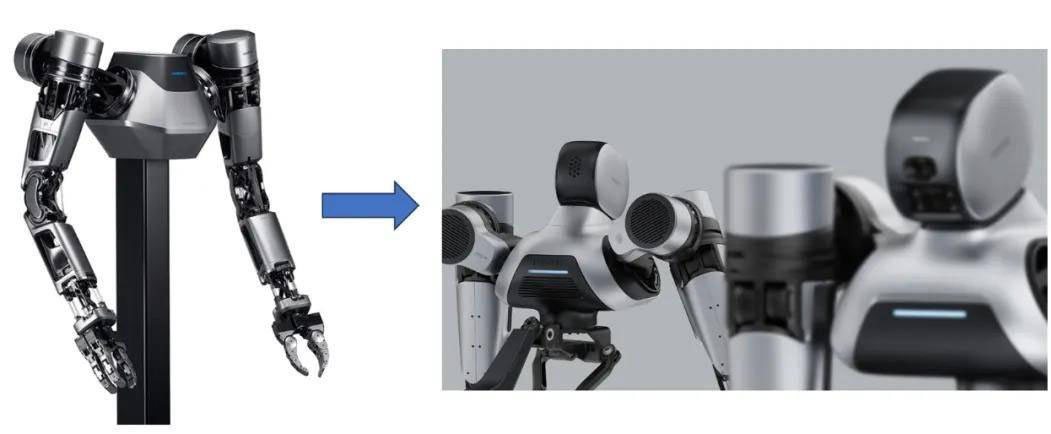
Největší změnou je, že u hlavy + trupu + pasu se výrazně zlepšil rozsah pohybu a stabilita. Ambidex také vylepšil svá haptická zařízení a nyní může plnit složitější úkoly, jako je pomáhat svým "kolegům" umýt si obličej: Jsem také dobrá ruka v kuchyni.
Oloupu vám sladký brambor k jídlu:Pokud nemáte co dělat, pojďme se pobavit a zahrát si stolní tenis:▍ Kabelový pohon + nový minimalistický design
The AMBIDEX arm uses a cable-driven mechanism that places all the heavy-duty actuators on the shoulder and body parts, which reduces the weight of the arm. A single robotic arm weighs only 2.6 kilograms, which is lighter than an adult male's arm.A lighter arm represents safety and flexibility, allowing it to safely interact with people, such as hugging and shaking hands:Despite its light weight, AMBIDEX can withstand a weight of 3kg and can run at a maximum speed of 5m/s.Like the human arm, the Ambidex arm also has 7 joint degrees of freedom.
Úředníci říkají, že jeho inovativní mechanismus může současně zvýšit sílu a sílu každého kloubu, což umožňuje stejnou úroveň kontroly, výkonu a přesnosti jako u průmyslových robotů!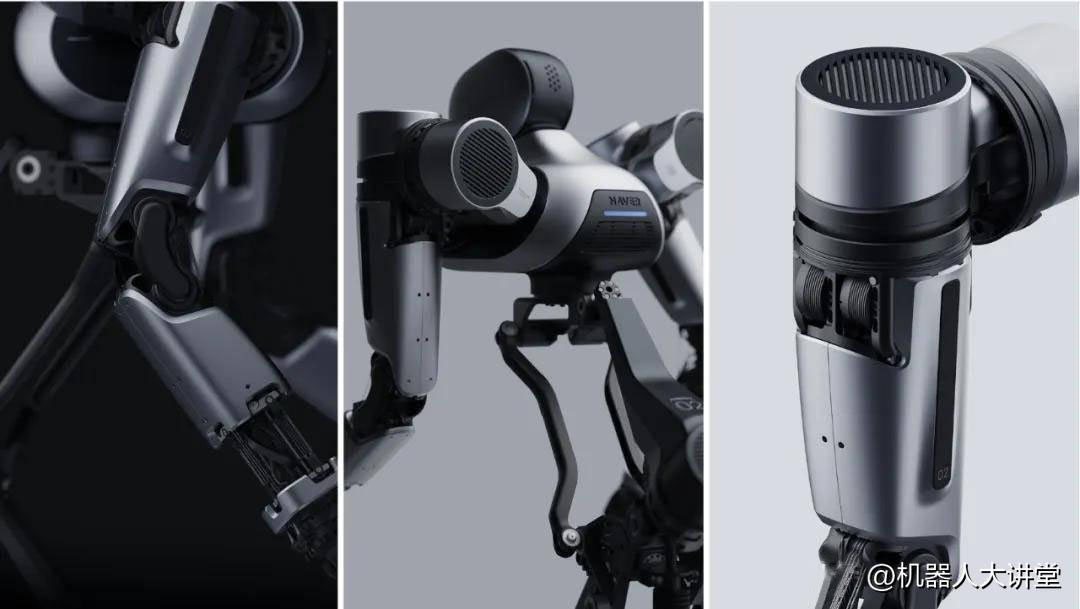
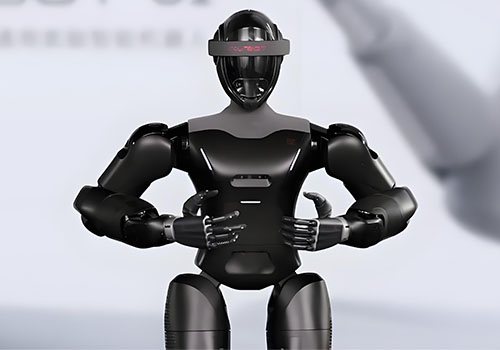
After adding new head, torso and waist designs, Ambidex looks cooler. However, NAVER LABS said that they did not want to sacrifice research efficiency for the sake of external image, so they adopted a "minimalist style" in appearance. The design uses black areas to hide sensors and bolted components, reducing visual complexity.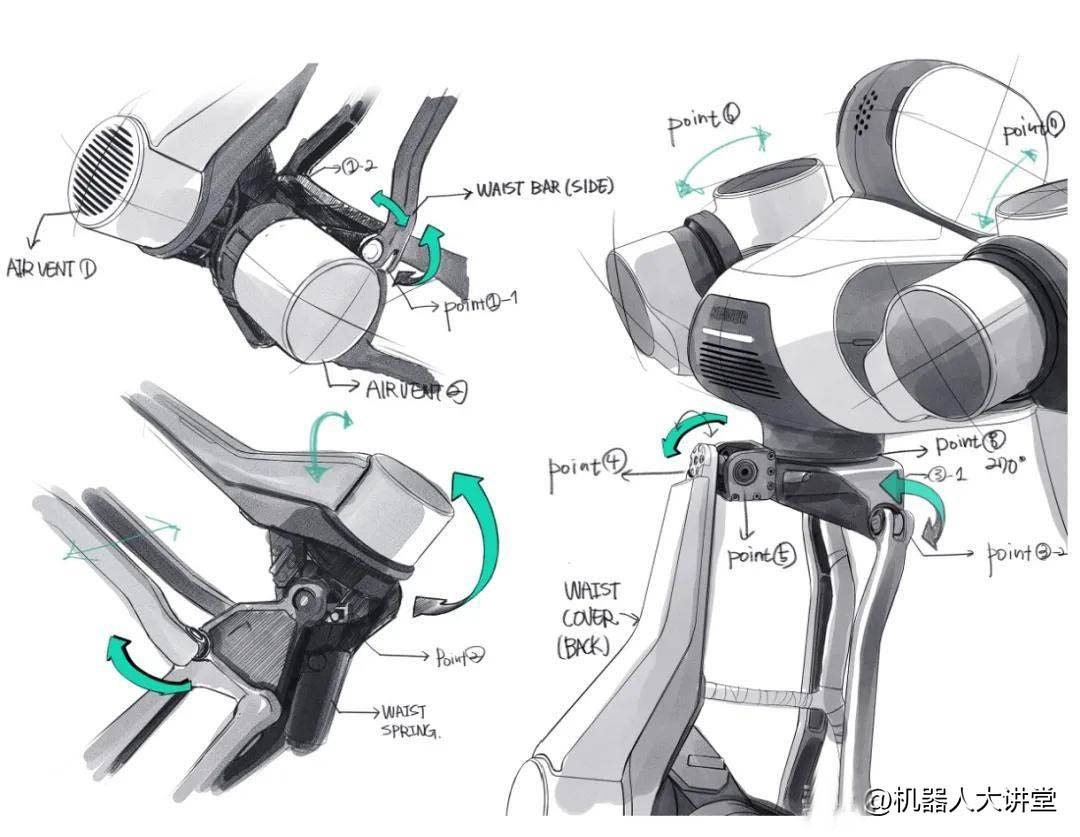
At the same time, considering the movement of the robot and the convenience of assembly, NAVER LABS minimized the cover configuration and focused on the details of the parting line so that the cover can be separated, retaining the wiring while reinterpreting it as a design element, during the display While maintaining the basic structure, it maximizes the overall visual balance and unity.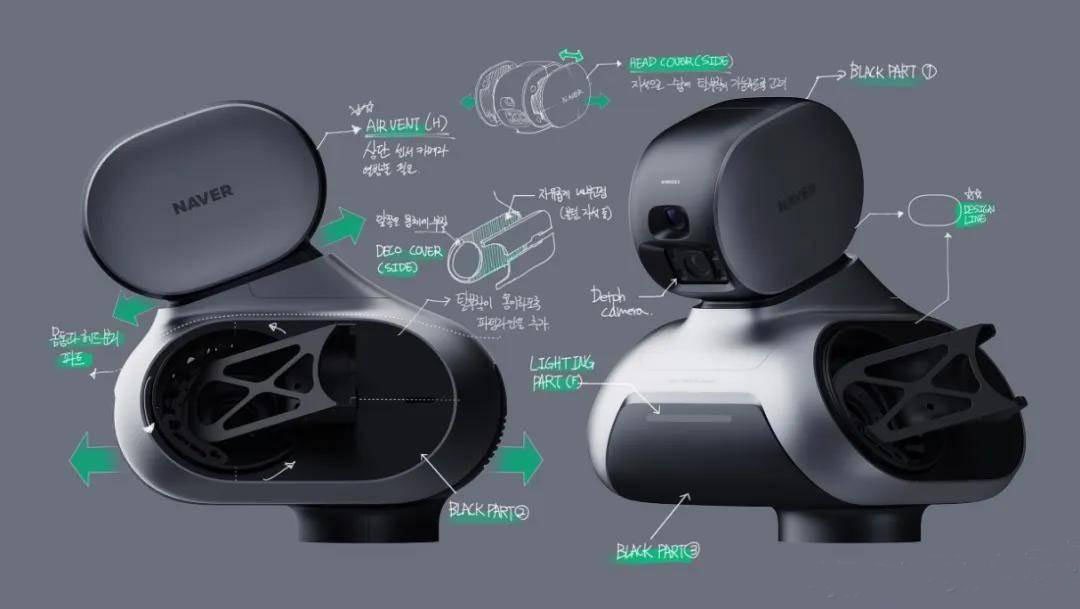
NAVER LABS zatím neoznámila žádné další technické přednosti „Humanoid Ambidex“, ale pohyby se zdají plynulejší a pružnější.
▍Učte se lidskou „fyzickou inteligenci“
Podívejte se pozorně, když Ambidex plní různé úkoly, stojí za ním zaměstnanec, který skrývá svou slávu a úspěchy: Zdá se, že zaměstnanci Ambidex ovládají, ale ve skutečnosti se Ambidex učí lidské „fyzické inteligenci“.
Na rozdíl od většiny robotických paží, které se pohybují na základě předvstupních informací o poloze, je Ambidex navržen pro „interakci člověka s počítačem“ a musí zajistit absolutní bezpečnost při nestrukturovaných každodenních úkolech. Co je tedy lidská fyzická inteligence?
NAVER LABS said: In addition to conscious activities when humans interact with the external environment, there are many things that are unconscious. For example: when smearing jam, humans do not consider every movement of the fingers or the tiny force exerted on the wrist and fingers. The knowledge and intelligence based on this physical experience are called "physical intelligence".In order to impart "physical intelligence" to robots, NAVER LABS developed a tactile device.
Unlike common control devices, Ambidex's tactile device provides position and force data in a bilateral manner. Not only does it allow the user to send commands to the robot to move its position, but it also enables the user to feel the forces the robot is experiencing. People control robots through tactile devices to perform tasks, and at the same time, robots indirectly acquire human physical intelligence.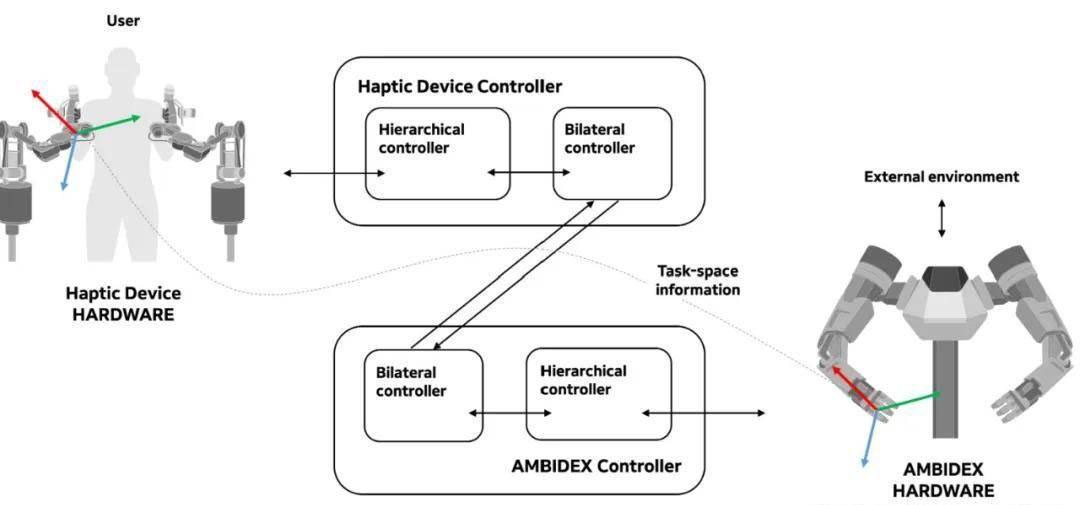
▍Vylepšení hmatového vybavení, od loupání sladkých brambor až po hraní stolního tenisu
Podívejme se, jak Ambidex používá hmatová zařízení k loupání sladkých brambor: Ačkoli se to zdá jednoduché, celá akce je prováděna silovým ovládáním robota a oboustranným přenosem síly haptického zařízení.
Pokud některý z nich nefunguje správně, dochází k nadměrnému tření mezi nožem a bramborem, což může poškodit přísadu, nástroj nebo samotného robota.
“Peeling Sweet Potatoes” shows only Ambidex’s first-generation tactile device, which was subsequently upgraded by NAVER LABS. Haptic Device 2.0 has a larger movement space, and task performance for complex and detailed movements has also been significantly improved, including: the speed with which the robot responds to the operator's movements, and the efficiency with which users feel the forces felt by the robot.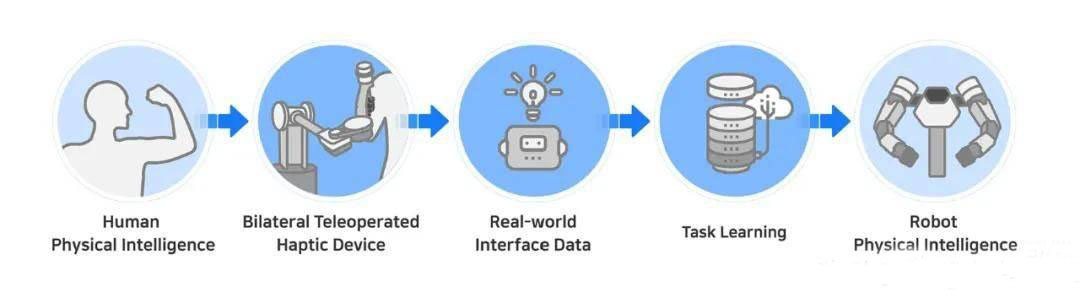
The upgraded haptic device can perform complex tasks involving fast movements, such as playing table tennis, where the racket must be quickly positioned in the correct position to align with the incoming ball.At the moment of impact (when the ball is struck), it must be moving with sufficient speed and in the correct direction.
Pokud by byla setrvačnost haptického zařízení o něco větší, nebo by došlo ke zpoždění v přenosu velikosti a směru síly z lidského pohybu na robota, ukázka ping pongu by nebyla úspěšná.
Although Ambidex has not yet achieved autonomous execution of tasks, perhaps this day is not too far away, because the goal of NAVER LABS is to use bilateral haptic devices as an effective tool to collect high-quality training data to improve the intelligence level of Ambidex and ultimately achieve autonomous execution. Task.▍ZávěrTechnologický plán společnosti NAVER LABS pro Ambidex je jasně viditelný.
Shromažďování vysoce kvalitních dat o interakci mezi člověkem a počítačem prostřednictvím bilaterálních hmatových zařízení pro trénování inteligentního modelu robota. O této myšlence „kolaborativního učení člověk-stroj“ lze říci, že je důležitou technologickou inovací.
From the perspective of technical implementation, the quality and richness of data collected by bilateral tactile devices will directly affect the performance of robot intelligent algorithms. NAVER LABS needs to be further optimized in hardware design, sensor selection, signal processing and other aspects to ensure the accuracy, real-time and diversity of data. At the same time, how to design an efficient machine learning framework to extract common behavioral patterns and decision-making strategies from massive and complex interactive data is also a key challenge.
To vyžaduje systematický výzkum v oblastech hlubokého učení, posilování učení, transferového učení a dalších oblastech.
In addition, data-driven intelligence improvement is closely coupled with the robot's electromechanical control system. If Ambidex wants to finally achieve autonomous operation, it needs to make new breakthroughs in motion planning, force control, and dexterous operation. For example, how to achieve precise grasping and operation based on visual and tactile feedback? How to maintain balance and robustness in a dynamic environment? These are technical difficulties that need to be overcome urgently.
In general, the technical blueprint developed by NAVER LABS for Ambidex is practical and feasible, and its development idea of "people leading machines and being data-driven" represents the cutting-edge direction of robotics research. Currently, Ambidex is still in the stage of technology accumulation and iterative optimization. To truly grow into a fully autonomous intelligent system, it needs to continue to make efforts at multiple levels such as perception, cognition, decision-making, and control.
humanoidní robot; AI robot; AI servisní robot.