Momenteel zijn medische robots een hotspot op het gebied van robotica in binnen- en buitenland.
Medische robots refer to human health-related robots used in medical treatment, health care, helping the elderly and the disabled. It compiles an operation plan based on humans, determines the action program according to the actual situation, and completes the movement required for the medical care process related to human health.
Medische roboticatechnologie is een nieuw interdisciplinair onderzoeksveld dat geneeskunde, biomechanica, mechanica, mechanische mechanica, materiaalkunde, computergraphics, computervisie, wiskundige analyse, robotica, kunstmatige intelligentie en vele andere disciplines integreert.
De epidemie is de toetssteen geworden van medische robots. Tijdens de epidemie voegde een eindeloze stroom medische robots meer technologische elementen toe aan de strijd tegen de epidemie. Praktische medische robots trekken de aandacht en de markt verbetert.
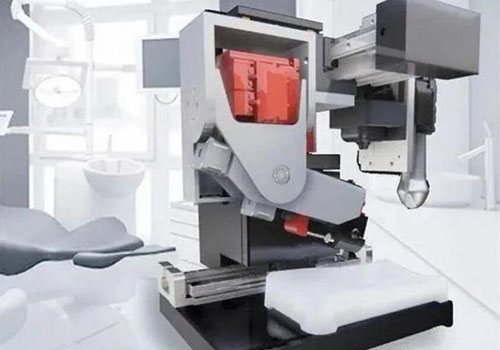
Onlangs heeft het wetenschappelijk onderzoeksteam van de Tongji Universiteit een automatische naaldbloedafnamerobot ontworpen en ontwikkeld als reactie op de klinische behoeften van de epidemie, die op verschillende gebieden brede aandacht heeft getrokken.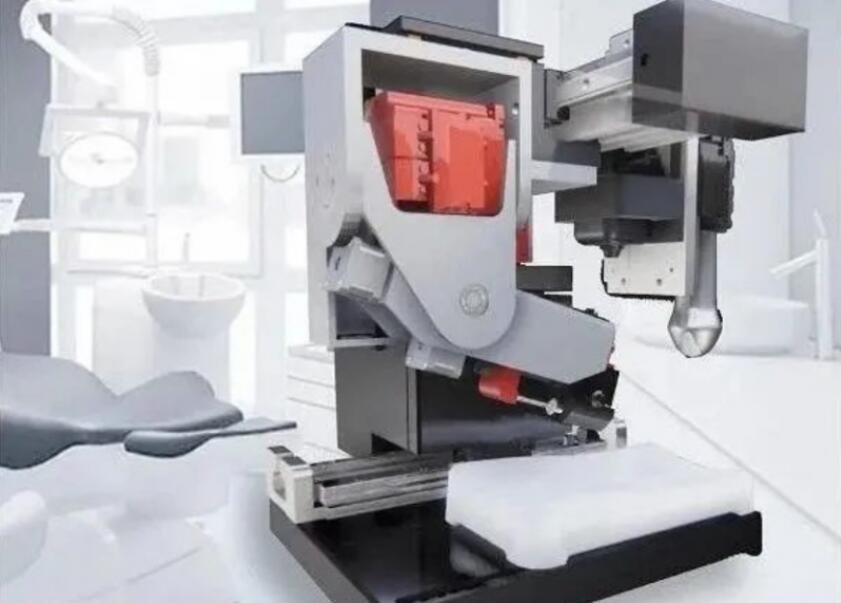
Compared with manual blood collection, first of all, the automatic blood collection robot can accurately identify the near-infrared camera of the subcutaneous vein, so that the robot can see the "binoculars" more clearly, and quickly locate the appropriate needle point through the machine learning algorithm to improve the efficiency of venipuncture. The needle blood collection process is "faster".
Secondly, the automatic blood sampling robot effectively recognizes the ultrasound probe of the vein depth, making the robot more precise. Generally, when judging the position of the veins, medical staff "predict" through visual inspection and feel. Combining near-infrared and ultrasound imaging, the robot can transform the direction and depth of blood vessels into precise “coordinates”. 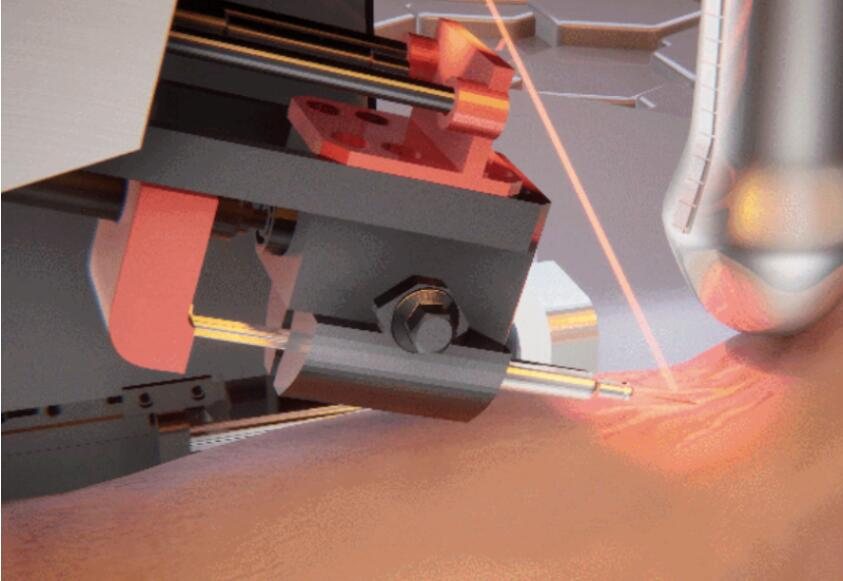
Finally, the small, dexterous robot system realizes automatic needle insertion and blood collection, and standardized operations make needle insertion "more stable." The venipuncture robot can control the positioning error of the puncture needle within 0.2mm through its own precise mechanical system. On the basis of accurate imaging of blood vessels, the robot can accurately and stably send the tip of the puncture needle to the center of the blood vessel cavity.
The practical and specific application scenarios of robots are inevitable in the future of artificial intelligence. Of course, the application of robots with the consent of patients may also require more interactive research. When the robot is dared to give injections, it is the time when the blood collection robot matures. .