


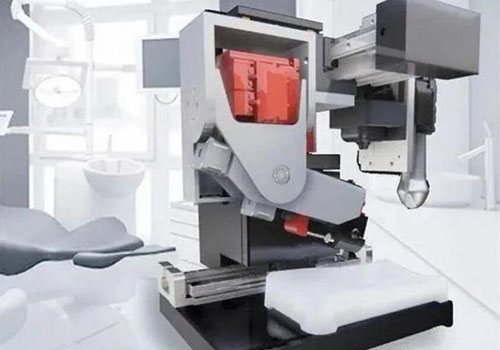
V současné době se lékařští roboti stali horkým místem v oblasti robotiky doma i v zahraničí.
Lékařští roboti refer to human health-related robots used in medical treatment, health care, helping the elderly and the disabled. It compiles an operation plan based on humans, determines the action program according to the actual situation, and completes the movement required for the medical care process related to human health.
Technologie lékařské robotiky je nový interdisciplinární výzkumný obor integrující medicínu, biomechaniku, mechaniku, mechanickou mechaniku, materiálové vědy, počítačovou grafiku, počítačové vidění, matematickou analýzu, robotiku, umělou inteligenci a mnoho dalších oborů.
Epidemie se stala prubířským kamenem lékařských robotů. Během epidemie přidal nekonečný proud lékařských robotů do boje s epidemií další technologické prvky. Praktičtí lékařští roboti přitahují pozornost a trh se zlepšuje.
Vědecký výzkumný tým univerzity Tongji nedávno navrhl a vyvinul robota pro automatický odběr krve jehlou v reakci na klinické potřeby v epidemii, která přitáhla širokou pozornost v různých oblastech.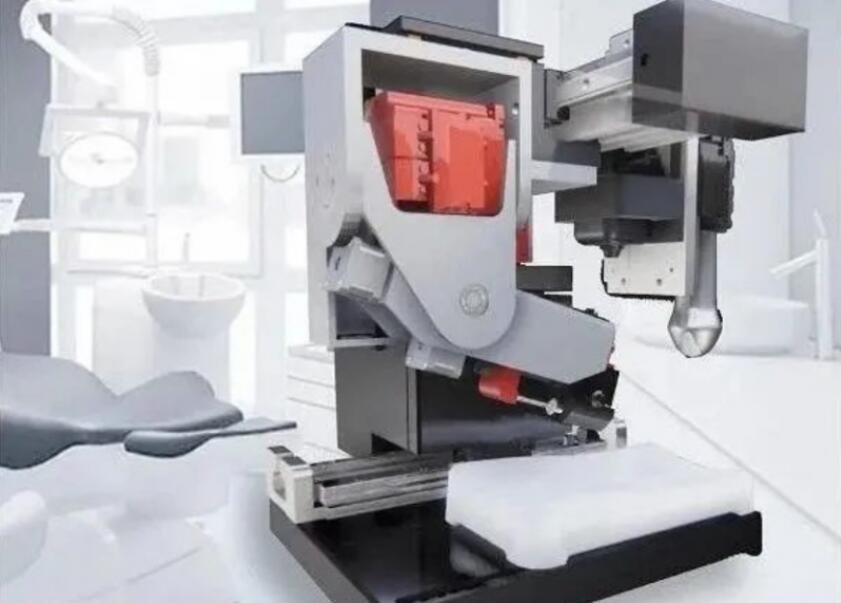
Compared with manual blood collection, first of all, the automatic blood collection robot can accurately identify the near-infrared camera of the subcutaneous vein, so that the robot can see the "binoculars" more clearly, and quickly locate the appropriate needle point through the machine learning algorithm to improve the efficiency of venipuncture. The needle blood collection process is "faster".
Secondly, the automatic blood sampling robot effectively recognizes the ultrasound probe of the vein depth, making the robot more precise. Generally, when judging the position of the veins, medical staff "predict" through visual inspection and feel. Combining near-infrared and ultrasound imaging, the robot can transform the direction and depth of blood vessels into precise “coordinates”. 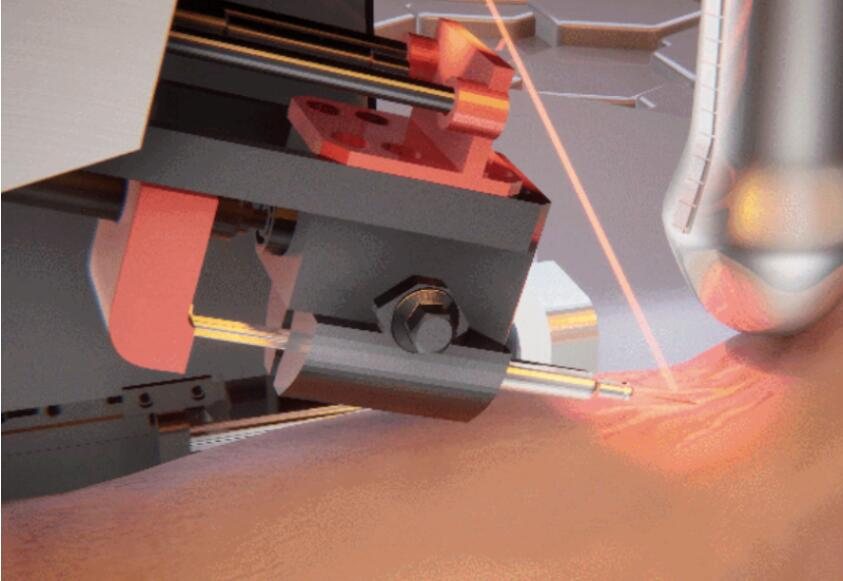
Finally, the small, dexterous robot system realizes automatic needle insertion and blood collection, and standardized operations make needle insertion "more stable." The venipuncture robot can control the positioning error of the puncture needle within 0.2mm through its own precise mechanical system. On the basis of accurate imaging of blood vessels, the robot can accurately and stably send the tip of the puncture needle to the center of the blood vessel cavity.
The practical and specific application scenarios of robots are inevitable in the future of artificial intelligence. Of course, the application of robots with the consent of patients may also require more interactive research. When the robot is dared to give injections, it is the time when the blood collection robot matures. .


