현재 의료로봇은 국내외 로봇공학 분야에서 핫스팟으로 자리잡고 있다.
의료로봇 refer to human health-related robots used in medical treatment, health care, helping the elderly and the disabled. It compiles an operation plan based on humans, determines the action program according to the actual situation, and completes the movement required for the medical care process related to human health.
의료 로봇 기술은 의학, 생체 역학, 역학, 기계 역학, 재료 과학, 컴퓨터 그래픽, 컴퓨터 비전, 수학적 분석, 로봇 공학, 인공 지능 및 기타 여러 분야를 통합하는 새로운 학제간 연구 분야입니다.
전염병은 의료 로봇의 시금석이 되었습니다. 전염병 기간 동안 끝없는 의료 로봇이 전염병 퇴치에 더 많은 기술적 요소를 추가했습니다. 실용적인 의료로봇이 주목을 받으며 시장이 개선되고 있다.
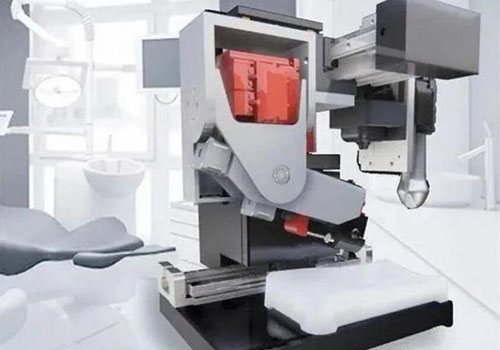
최근 통지대학교 과학 연구팀은 전염병의 임상적 요구에 부응하여 자동 채혈 로봇을 설계 및 개발하여 다양한 분야에서 폭넓은 주목을 받고 있습니다.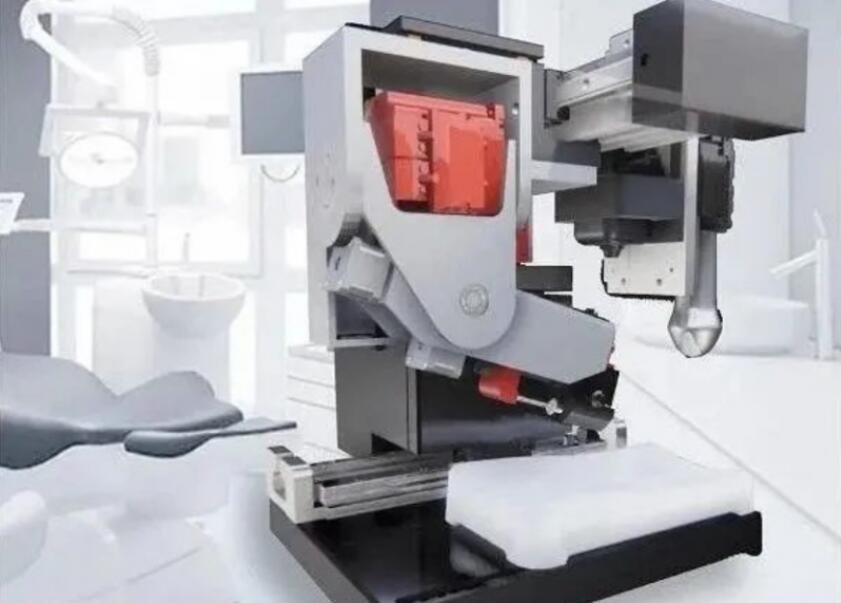
Compared with manual blood collection, first of all, the automatic blood collection robot can accurately identify the near-infrared camera of the subcutaneous vein, so that the robot can see the "binoculars" more clearly, and quickly locate the appropriate needle point through the machine learning algorithm to improve the efficiency of venipuncture. The needle blood collection process is "faster".
Secondly, the automatic blood sampling robot effectively recognizes the ultrasound probe of the vein depth, making the robot more precise. Generally, when judging the position of the veins, medical staff "predict" through visual inspection and feel. Combining near-infrared and ultrasound imaging, the robot can transform the direction and depth of blood vessels into precise “coordinates”. 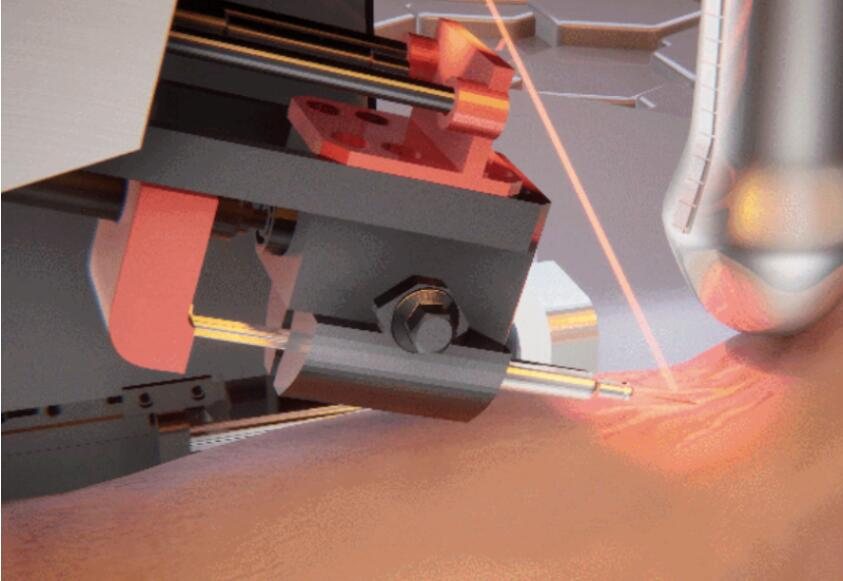
Finally, the small, dexterous robot system realizes automatic needle insertion and blood collection, and standardized operations make needle insertion "more stable." The venipuncture robot can control the positioning error of the puncture needle within 0.2mm through its own precise mechanical system. On the basis of accurate imaging of blood vessels, the robot can accurately and stably send the tip of the puncture needle to the center of the blood vessel cavity.
The practical and specific application scenarios of robots are inevitable in the future of artificial intelligence. Of course, the application of robots with the consent of patients may also require more interactive research. When the robot is dared to give injections, it is the time when the blood collection robot matures. .