Pada masa ini, robot perubatan telah menjadi tempat hangat dalam bidang robotik di dalam dan luar negara.
Robot perubatan refer to human health-related robots used in medical treatment, health care, helping the elderly and the disabled. It compiles an operation plan based on humans, determines the action program according to the actual situation, and completes the movement required for the medical care process related to human health.
Teknologi robotik perubatan ialah bidang penyelidikan antara disiplin baharu yang mengintegrasikan perubatan, biomekanik, mekanik, mekanik mekanikal, sains bahan, grafik komputer, penglihatan komputer, analisis matematik, robotik, kecerdasan buatan dan banyak disiplin lain.
Wabak ini telah menjadi batu ujian bagi robot perubatan. Semasa wabak itu, aliran robot perubatan yang tidak berkesudahan menambah lebih banyak elemen teknologi untuk memerangi wabak itu. Robot perubatan praktikal menarik perhatian dan pasaran bertambah baik.
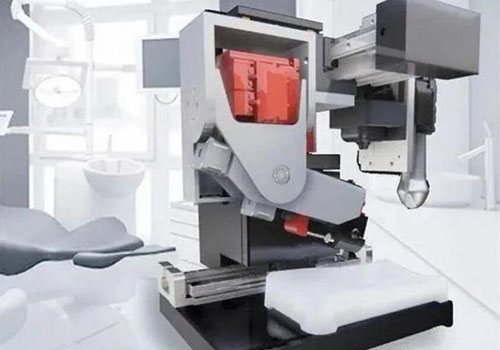
Baru-baru ini, pasukan penyelidik saintifik Universiti Tongji mereka bentuk dan membangunkan robot pengumpulan darah jarum automatik sebagai tindak balas kepada keperluan klinikal dalam wabak itu, yang telah menarik perhatian meluas dalam pelbagai bidang.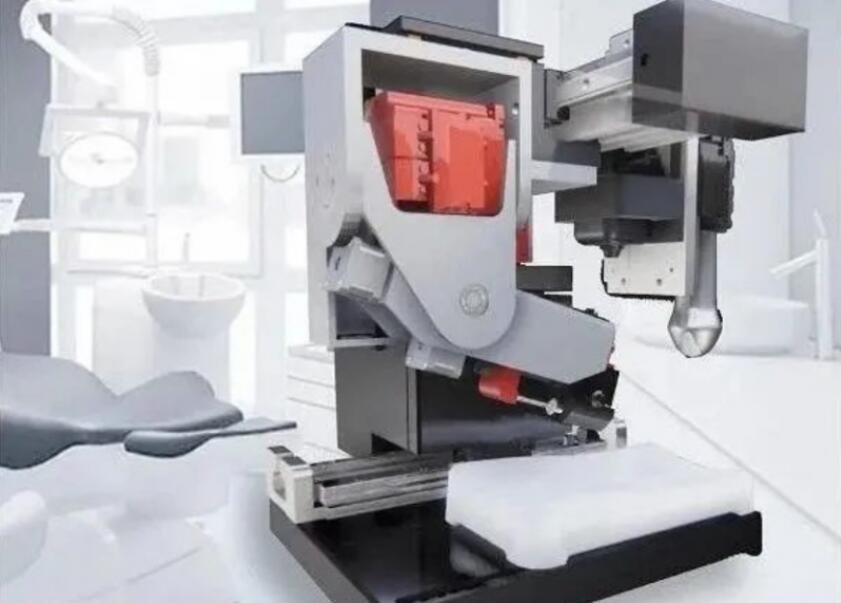
Compared with manual blood collection, first of all, the automatic blood collection robot can accurately identify the near-infrared camera of the subcutaneous vein, so that the robot can see the "binoculars" more clearly, and quickly locate the appropriate needle point through the machine learning algorithm to improve the efficiency of venipuncture. The needle blood collection process is "faster".
Secondly, the automatic blood sampling robot effectively recognizes the ultrasound probe of the vein depth, making the robot more precise. Generally, when judging the position of the veins, medical staff "predict" through visual inspection and feel. Combining near-infrared and ultrasound imaging, the robot can transform the direction and depth of blood vessels into precise “coordinates”. 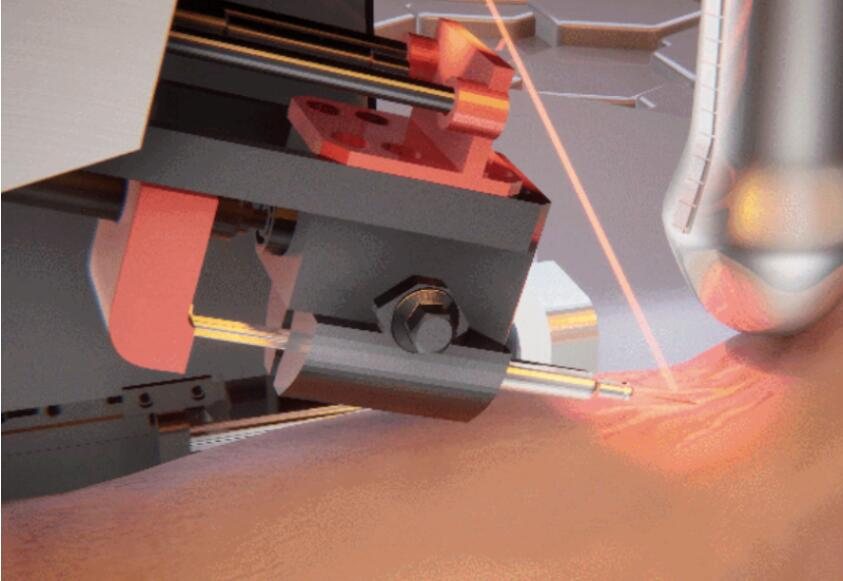
Finally, the small, dexterous robot system realizes automatic needle insertion and blood collection, and standardized operations make needle insertion "more stable." The venipuncture robot can control the positioning error of the puncture needle within 0.2mm through its own precise mechanical system. On the basis of accurate imaging of blood vessels, the robot can accurately and stably send the tip of the puncture needle to the center of the blood vessel cavity.
The practical and specific application scenarios of robots are inevitable in the future of artificial intelligence. Of course, the application of robots with the consent of patients may also require more interactive research. When the robot is dared to give injections, it is the time when the blood collection robot matures. .