Podczas wojny w Zatoce Perskiej drony nadal były rzadkim „obiektem”! Dziś jednak sprzęt ten zdominował niemal całą wojnę. Weźmy na przykład niedawny konflikt pomiędzy Armenią a Azerbejdżanem. Używały już dwóch krajów „peryferyjnych”, których nazw moglibyście nie znać, gdyby nie wojnawojskowyi dronytak dokładnie!
Armed reconnaissance, combating tanks, destroying fortifications, special operations, etc. have all been used "arbitrarily" in this conflict. The key point is that the price of this equipment is quite cheap, and a small country like this can also afford it! Then we can imagine what the future wars will look like if conflicts break out among the real military powers
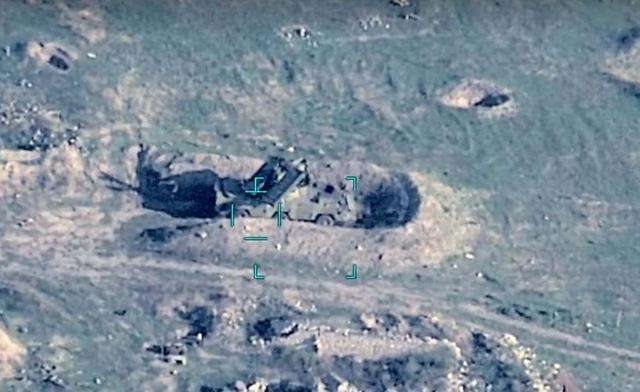 Wojna dronów między Armenią a Azerbejdżanem trwaMistrz przyszłego pola bitwy „dron”Weźmy przykład ze Stanów Zjednoczonych. Od 2002 do 2010 roku liczba dronów wzrosła 40-krotnie. Tylko w 2010 roku liczba dronów wojskowych w USA przekroczyła 11 000 (dronów dużych, średnich, małych i mikro).
Wszystkie modele są uwzględnione). Do 2018 roku liczba średnich idrony do ciężkich zadańz ponad 20 kg wyposażonych przez wojsko USA osiągnęło około 3500. Chociaż większość zadań wykonywanych przez te UAV to głównie rozpoznanie powietrzne, wciąż jest ich około 1000. Samoloty mogą przenosić broń i wykonywać różne misje uderzeniowe. W tym samym czasie USA
wojsko będzie w przyszłości nadal rozwijać ten zespół dronów, a odpowiedni budżet również rośnie z roku na rok. Obecnie roczne inwestycje w drony to blisko dziesiątki miliardów dolarów!
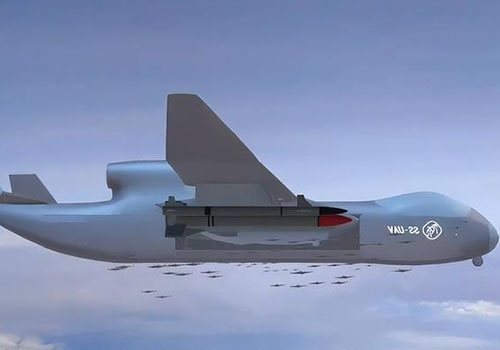
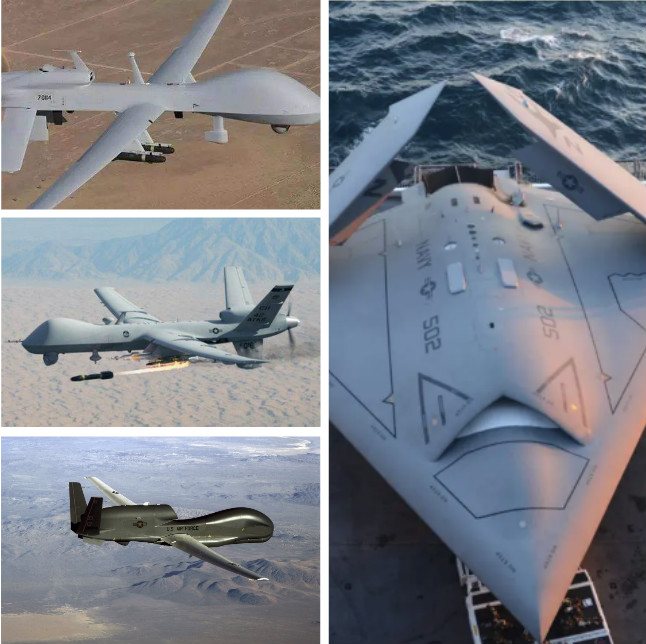 Kilka reprezentatywnych dronów wojskowych wyposażonych przez Stany ZjednoczoneOf course, the United States is just a microcosm. At present, all countries in the world are vigorously developing UAV units, and the scale is also very large. This equipment has quickly become the protagonist of the battlefield due to its high safety, high cost performance, various tasks, easy use, and flexibility.
Rozpoznanie, atak, obserwacja, elektroniczne środki zaradcze, przekaźnik komunikacyjny, wsparcie logistyczne, poszukiwania i ratownictwo oraz naprowadzanie to jego specjalne umiejętności. Personel musi jedynie siedzieć w zdalnej sterowni, aby kontrolować wszystko na polu bitwy.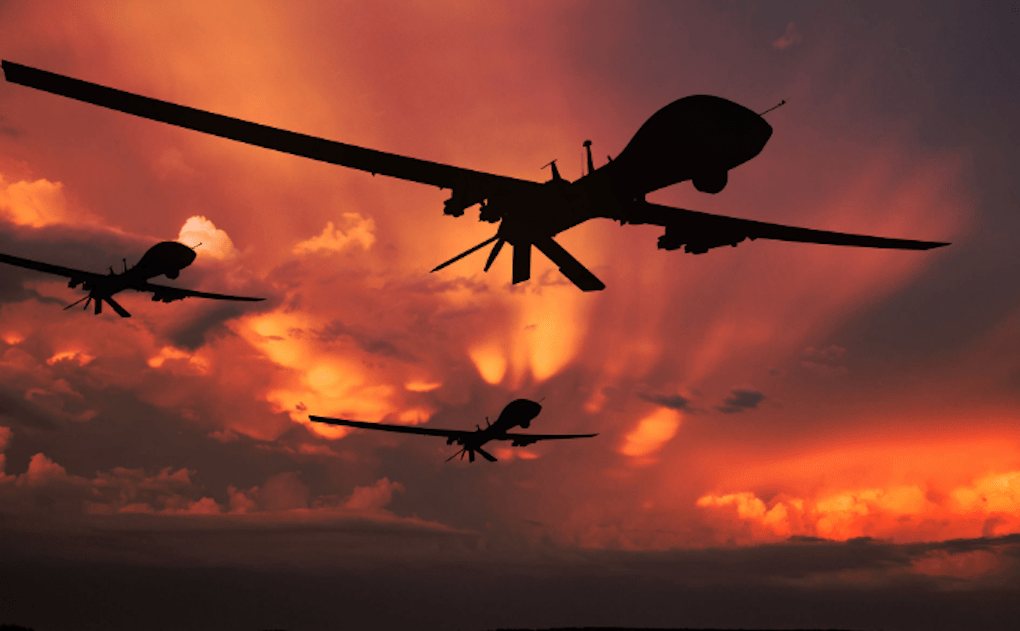 Niektórzy przewidują, że przyszła wojna będzie światem broni bezzałogowej i inteligentnego sprzętu!
The "spear" (drone) is too sharp, and the shield is ready to emergeJudging from the recent local conflicts, this statement is undoubtedly correct. Intelligent, information-based drones have gradually dominated the battlefield, and in its eyes there is almost nothing impossible! Of course, an emerging technology that is also rising rapidly, that is,urządzenie przeciw dronom .
Tak zwane „włócznia musi mieć także tarczę”, każda potężna broń będzie miała powściągliwy ekwipunek. Chociaż drony potrafią „przywołać wiatr i deszcz” na polu bitwy, kraje podczas ich wyposażania również energicznie promują powściągliwość w innych krajach. Technologia antydronowa dla dronów.
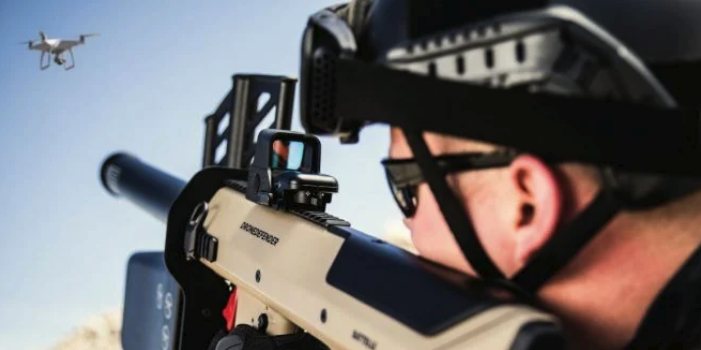
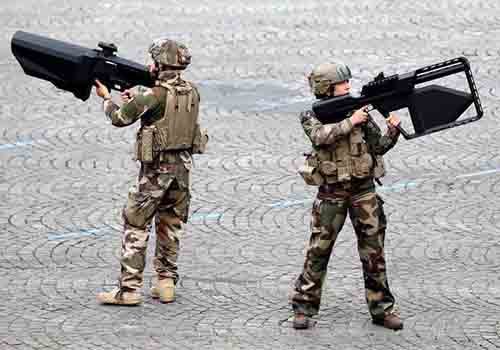
Personel naziemny celuje w dronaThe current development of UAVs is actually still in its infancy, and there is still a certain gap between the AI UAVs that are equipped with artificial intelligence, which can independently perform battlefield intelligence analysis and judgment, and make correct and reasonable responses. The vast majority of drones still rely on remote wireless control to complete operations, so this is the biggest shortcoming of drones at this stage.
Gdy kontroler zostanie zniszczony, kontrolowane przez niego drony natychmiast staną się bandą dronów. Skrawek!
Uderzając bezpośrednio w operatora, tego rodzaju technologię antydronową polegającą na „wyciąganiu pieniędzy z dołu” należy uznać za najskuteczniejszy sposób przeciwdziałania atakom dronów, ale jest to również najtrudniejsza i najbardziej złożona technologia!
Konwencjonalna, głównego nurtu technologia przeciwdronowa
Obecne główne technologie przeciw UAV opracowane przez różne kraje obejmują głównie:
Wykrywanie dźwięku: Wczesne ostrzeganie zapewnia monitorowanie specjalnego dźwięku emitowanego przez drona! Zwłaszcza drony śmigłowe, ale ta metoda nadaje się tylko do stosowania na terenach otwartych, trudno jest funkcjonować w obszarach o dużym natężeniu hałasu, takich jak miasta!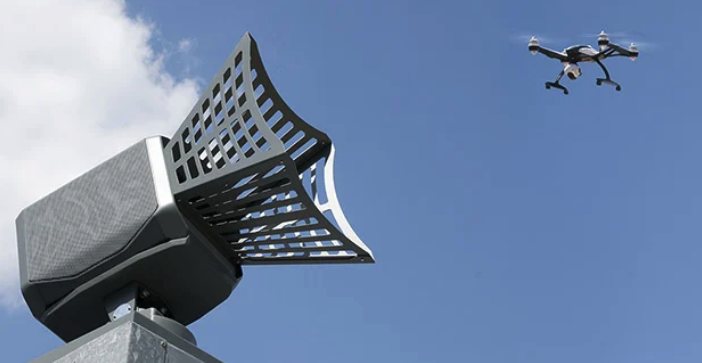 Wykrywanie dźwięku
Jammer: Użyj silnych zakłóceń elektromagnetycznych uwalnianych przez zakłócacz, aby zablokować połączenie danych pomiędzy dronem a operatorem. Sprzęt ten może być stacjonarny lub mobilny, ale jego zasięg działania jest ograniczony i wymaga dużo energii!
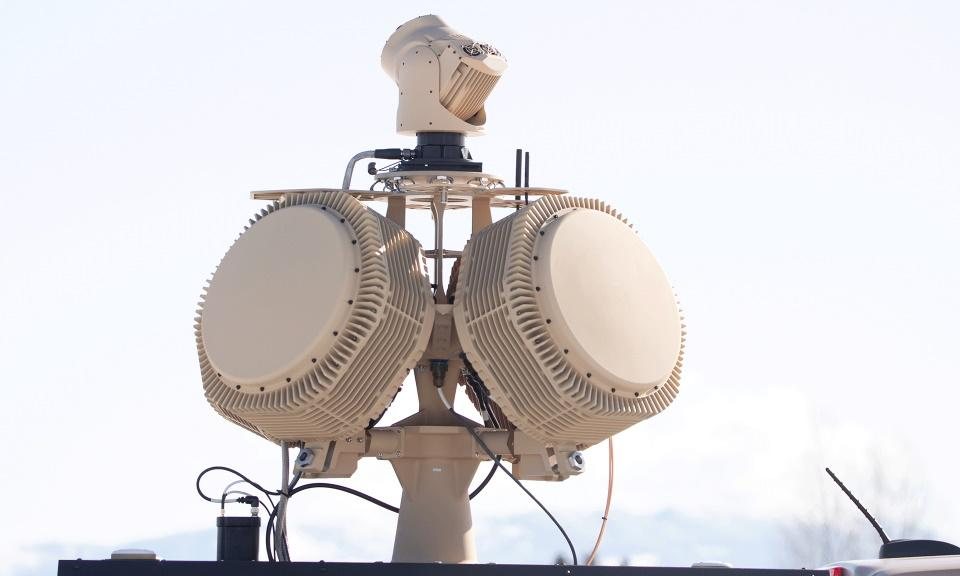 Zakłócacz
Radar technology: In fact, this technology can only have a relatively good effect on large-scale UAVs, such as small and micro UAVs flying at low altitudes, which have almost no effect. In 2015, a small drone once traversed the layers of protection of the White House and landed on its lawn. In the end, it was discovered with the naked eyes of secret service personnel. Therefore, the role of radar technology in dealing with small UAVs is not particularly obvious.
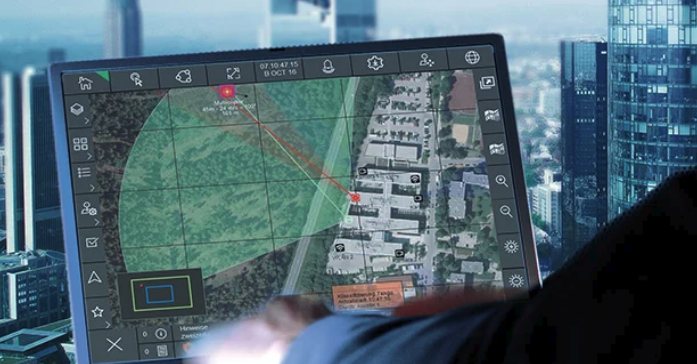 Wykrywanie wideo: Technologia ta jest zwykle stosowana w połączeniu z innymi metodami wykrywania. Stosowanie czujników do rejestrowania sylwetki statków powietrznych może być stosowane jedynie jako metoda pomocnicza lub rejestrująca, a nie jako główna technologia zwalczania UAV.
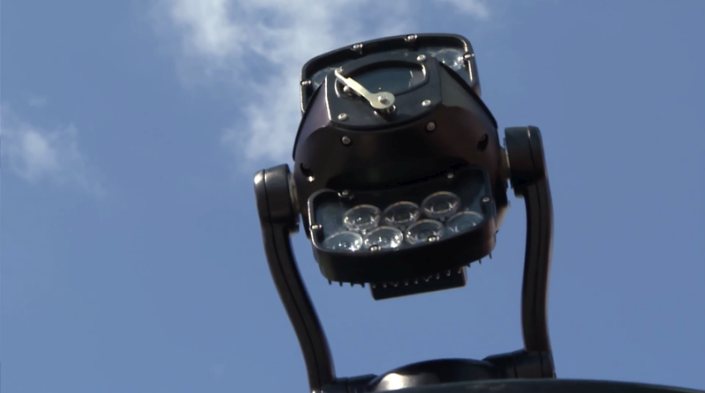
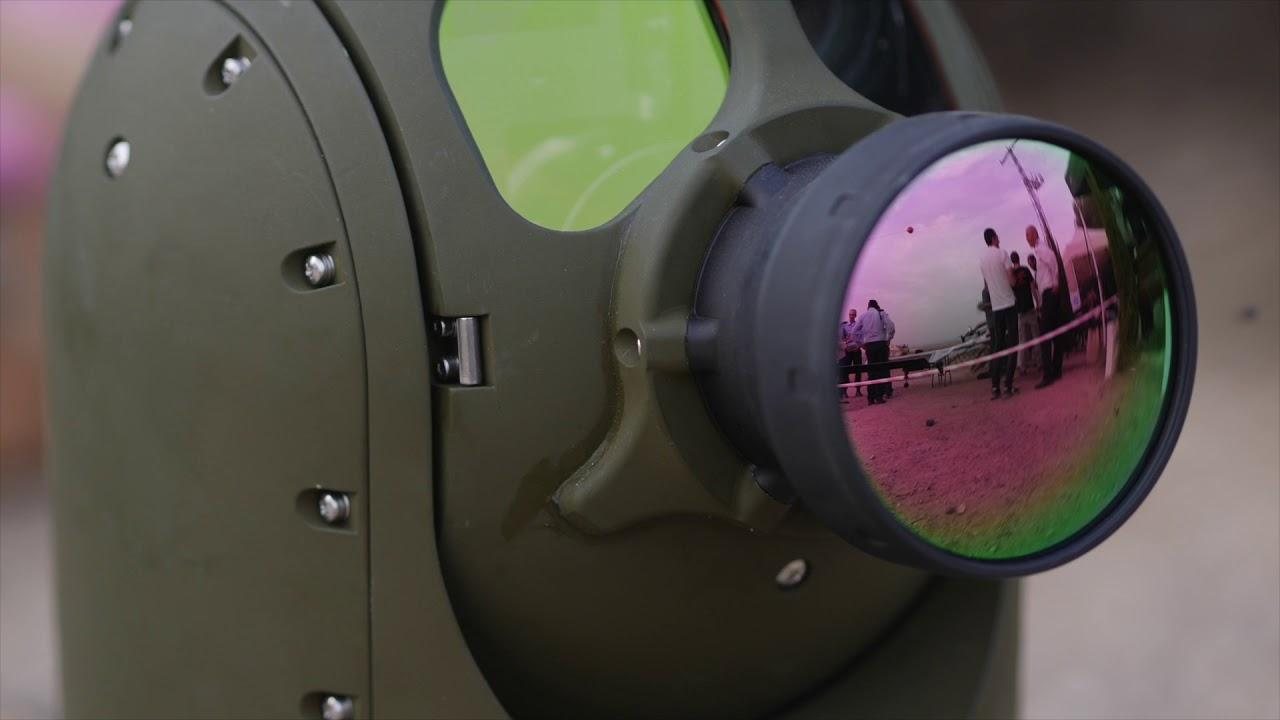 Wykrywanie wideoTechnologia obrazowania termowizyjnego: Ta metoda jest również technologią pomocniczą, która wykorzystuje promieniowanie cieplne generowane podczas lotu drona do wykrywania pozycji i łączy w sobie inne technologie w celu zakończenia wczesnego ostrzegania i pozycjonowania drona.
 Other methods: Some other anti-drone technologies include visual observation, radio frequency technology, and the creation of geographic barriers. After detecting the incoming UAV, the follow-up work needs to be completed by the corresponding weapons. The destruction methods include air defense light weapons, guided missiles, lasers, net guns, strong jamming devices or high-frequency microwave weapons, etc.
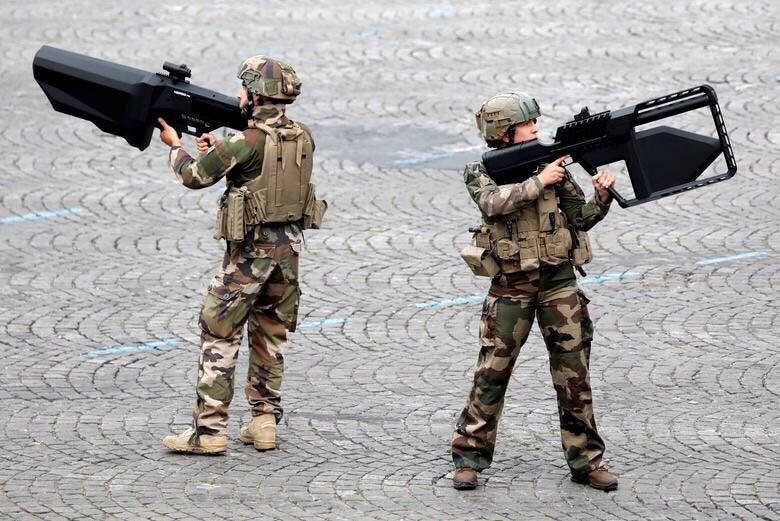 Broń sieciowa przeciw dronom
It can be seen from the above-mentioned anti-drone technology that the technology for preventing and eliminating incoming drones at this stage is still at the level of "terminal", which is to eliminate the drones that have already struck, and for those released The remote control personnel and facilities that control the drone are basically powerless. This is the so-called anti-drone technology that "treats the symptoms but not the root cause".Israel's "traceable" anti-UAV system being tested
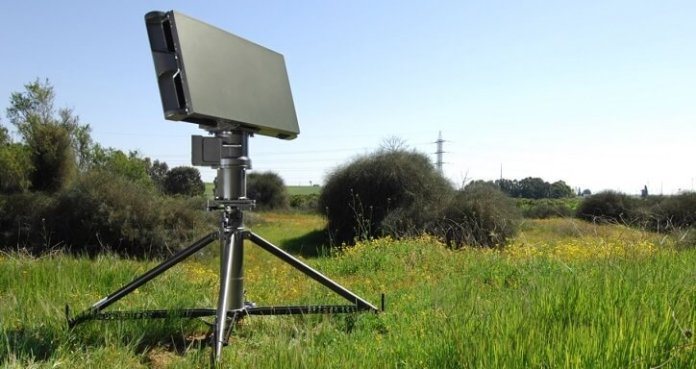
Niedawno Uniwersytet Ben Guriona w Izraelu opracował technologię, która może całkowicie usunąć sterownię dronów daleko w tyle, a także jest uważana za antydron, który zasadniczo eliminuje drony. Systemu ELTA.
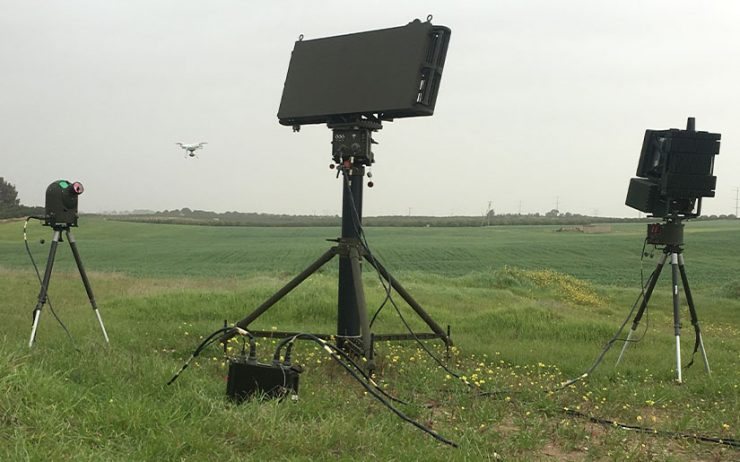 System przeciw UAV ELTA
Researchers use satellites to collect the flight path of the drone, and analyze the drone's flight and signal reception methods through an autonomously constructed intelligent network. Through cloud data calculation, the location of the drone's control terminal can be predicted. It is currently being tested and it is said that its accuracy rate is as high as 78%, and the response time is quite fast.
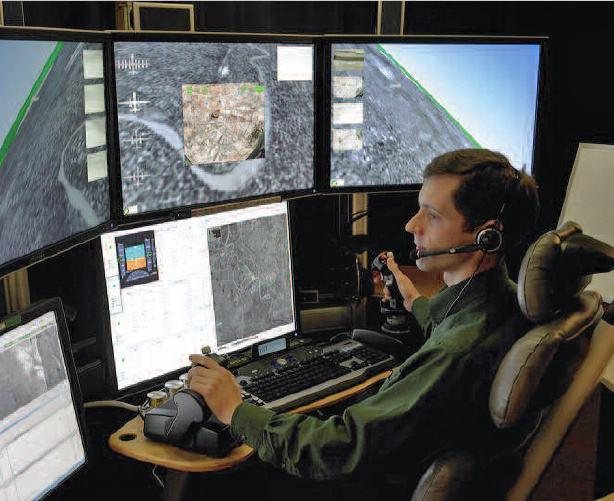 Pomieszczenie zdalnego sterowania UAV
Mashhadi of Ben Gurion University said when announcing the operation of the system that their system can show the reaction data of the remote controller to the surrounding environment when controlling the aircraft, and it also combines the flight path of the drone and the wireless signal. To obtain the position information of the controller. The core device in the entire system is an intelligent network (also called a neural network, developed by the Israelis), with the help of AirSim (aeronautical information and machine simulation simulator) to finally achieve a "bottom-off" type of drone countermeasures.
 According to experts, the UAV control room generally does not only operate one UAV, it may control multiple or even dozens of aircraft at the same time. If you use the method of fighting one by one, not only the ground personnel are exhausted and the effect is not good, but the economic cost is also unaffordable. However, if this "traceable" anti-drone technology is successfully used, then as long as the drone is controlled If the person is not thousands of miles away, then anti-drone will become very simple.
Oczywiście tego rodzaju system może być nakierowany jedynie na istniejące drony załogowe. Jeśli w przyszłości pojawią się inteligentne drony, które będą mogły działać całkowicie autonomicznie, siły obronne będą potrzebować potężnej broni przeciwlotniczej i bardziej zaawansowanych urządzeń wykrywających.