Drony byly během války v Zálivu stále vzácným „objektem“! Dnes však toto vybavení téměř ovládlo celou válku. Vezměte si nedávný konflikt mezi Arménií a Ázerbájdžánem. Dvě „okrajové“ země, jejichž jména byste možná neznali, nebýt války, již použilyvojenskýy dronytak důkladně!
Armed reconnaissance, combating tanks, destroying fortifications, special operations, etc. have all been used "arbitrarily" in this conflict. The key point is that the price of this equipment is quite cheap, and a small country like this can also afford it! Then we can imagine what the future wars will look like if conflicts break out among the real military powers
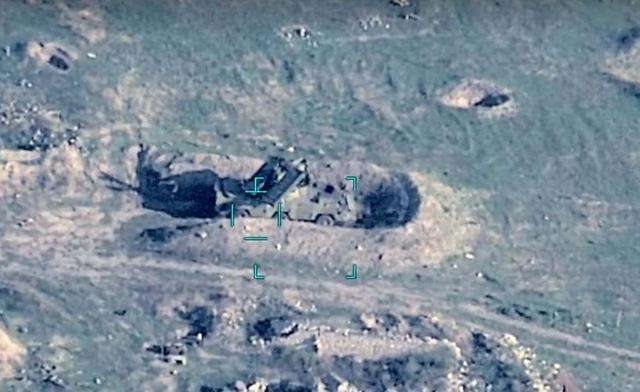 Válka dronů mezi Arménií a Ázerbájdžánem pokračujeMistr budoucího bojiště "dron"Vezměte si Spojené státy jako příklad. Od roku 2002 do roku 2010 se počet dronů zvýšil 40krát. Jen v roce 2010 přesáhl počet amerických vojenských dronů 11 000 (velkých, středních, malých a mikro dronů).
Všechny modely jsou součástí dodávky). Do roku 2018 se počet středních atěžké dronyvíce než 20 kg vybavených americkou armádou dosáhl asi 3 500. Přestože většina úkolů, které tyto UAV plní, je především vzdušný průzkum, je jich stále asi 1000 Letouny mohou nést zbraně a mohou plnit různé úderné mise. Ve stejné době, U.S.
armáda bude tento tým dronů v budoucnu dále rozšiřovat a odpovídající rozpočet se také rok od roku zvyšuje. V současnosti se roční investice do dronů blíží desítkám miliard dolarů!
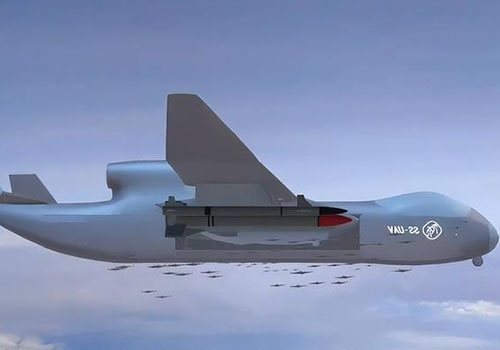
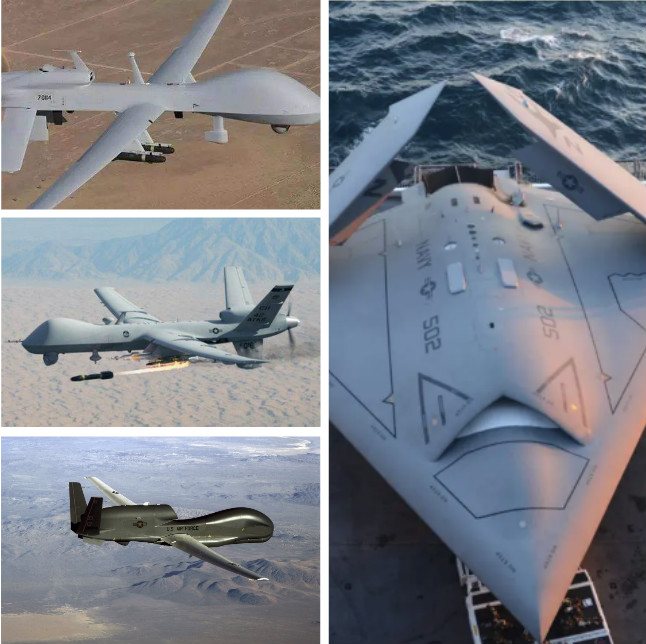 Několik reprezentativních vojenských dronů vybavených Spojenými státyOf course, the United States is just a microcosm. At present, all countries in the world are vigorously developing UAV units, and the scale is also very large. This equipment has quickly become the protagonist of the battlefield due to its high safety, high cost performance, various tasks, easy use, and flexibility.
Průzkum, útok, sledování, elektronická protiopatření, komunikační relé, logistická podpora, pátrání a záchrana a navádění jsou všechny její speciální dovednosti. Personál musí pouze sedět v místnosti dálkového ovládání, aby mohl ovládat vše na bojišti.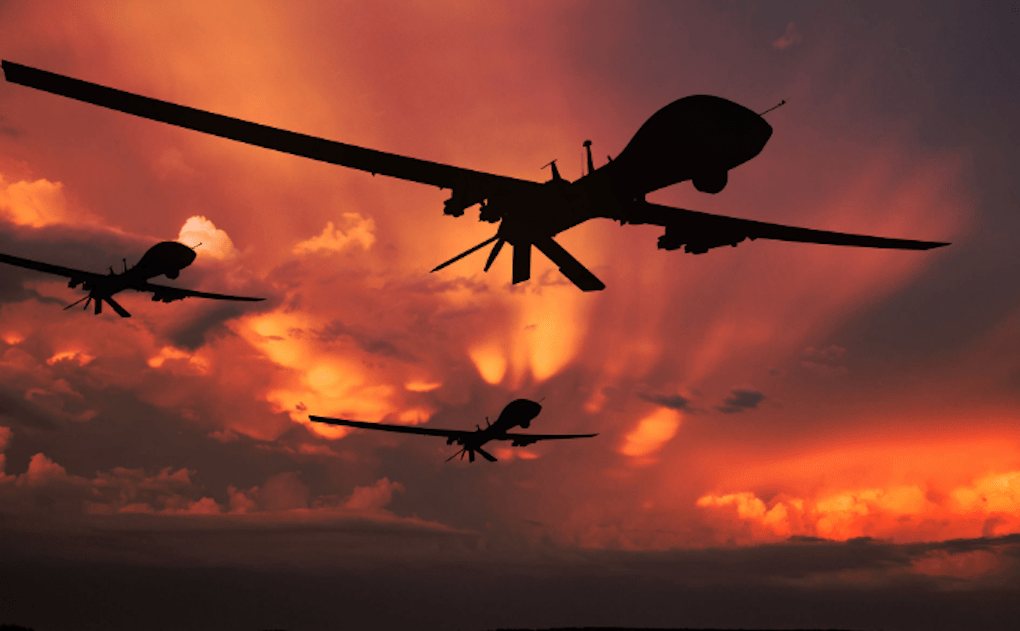 Někteří lidé předpovídají, že budoucí válka bude světem bezpilotních zbraní a inteligentního vybavení!
The "spear" (drone) is too sharp, and the shield is ready to emergeJudging from the recent local conflicts, this statement is undoubtedly correct. Intelligent, information-based drones have gradually dominated the battlefield, and in its eyes there is almost nothing impossible! Of course, an emerging technology that is also rising rapidly, that is,zařízení proti dronům .
Takzvané "kopí musí mít také štít", každá silná zbraň bude mít vybavení, které je omezeno. Přestože drony dokážou na bojišti „přivolat vítr a déšť“, země při jejich vybavování také důrazně prosazují zdrženlivost v jiných zemích. Anti-dronová technologie pro drony.
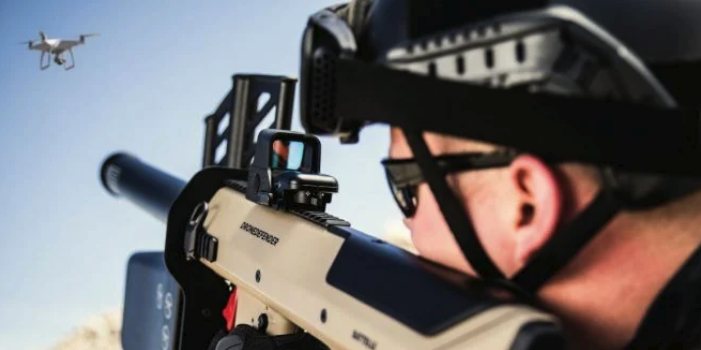
Pozemní personál míří dronemThe current development of UAVs is actually still in its infancy, and there is still a certain gap between the AI UAVs that are equipped with artificial intelligence, which can independently perform battlefield intelligence analysis and judgment, and make correct and reasonable responses. The vast majority of drones still rely on remote wireless control to complete operations, so this is the biggest shortcoming of drones at this stage.
Jakmile je ovladač vyřazen, z dronů, které ovládá, se okamžitě stane hromada dronů. Šrot!
Tento druh antidronové technologie „čerpání peněz ze dna“, která přímo zasáhne operátora, by měl být považován za nejúčinnější způsob, jak čelit útokům dronů, ale je to také nejobtížnější a nejsložitější technologie!
Konvenční mainstreamová technologie proti dronům
Současné hlavní anti-UAV technologie vyvinuté různými zeměmi zahrnují zejména:
Detekce zvuku: Včasné varování je zajištěno sledováním speciálního zvuku vydávaného dronem! Zejména vrtulové drony, ale tato metoda je vhodná pouze pro použití na otevřených prostranstvích, je obtížné fungovat v oblastech s vysokou hlučností, jako jsou města!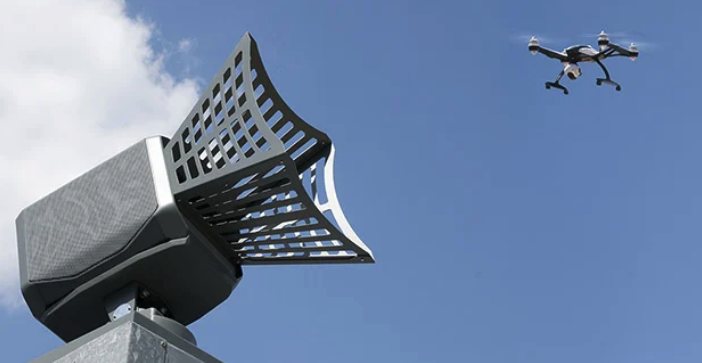 Detekce zvuku
Rušička: Použijte silné elektromagnetické rušení uvolněné rušičkou k zablokování datového spojení mezi dronem a operátorem. Toto zařízení může být pevné nebo mobilní, ale jeho pracovní dosah je omezený a vyžaduje hodně energie!
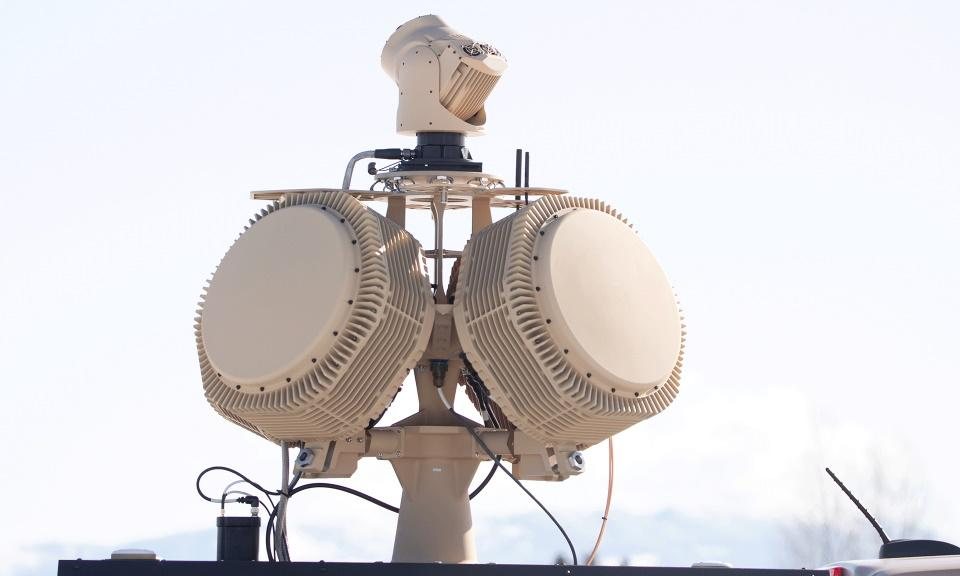 Jammer
Radar technology: In fact, this technology can only have a relatively good effect on large-scale UAVs, such as small and micro UAVs flying at low altitudes, which have almost no effect. In 2015, a small drone once traversed the layers of protection of the White House and landed on its lawn. In the end, it was discovered with the naked eyes of secret service personnel. Therefore, the role of radar technology in dealing with small UAVs is not particularly obvious.
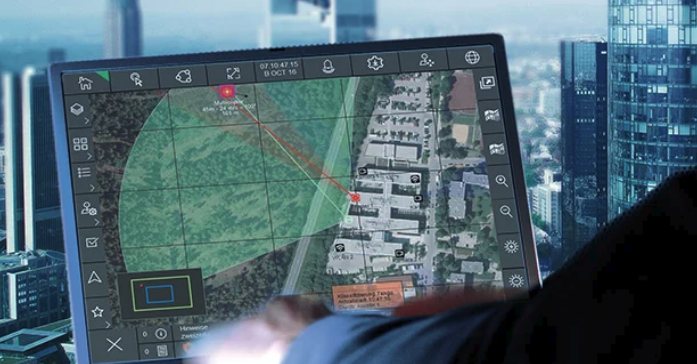 Videodetekce: Tato technologie se obecně používá v kombinaci s jinými metodami detekce. Použití senzorů k zachycení siluety vzdušných prostředků může být použito pouze jako pomocná nebo záznamová metoda, spíše než jako hlavní anti-UAV technologie.
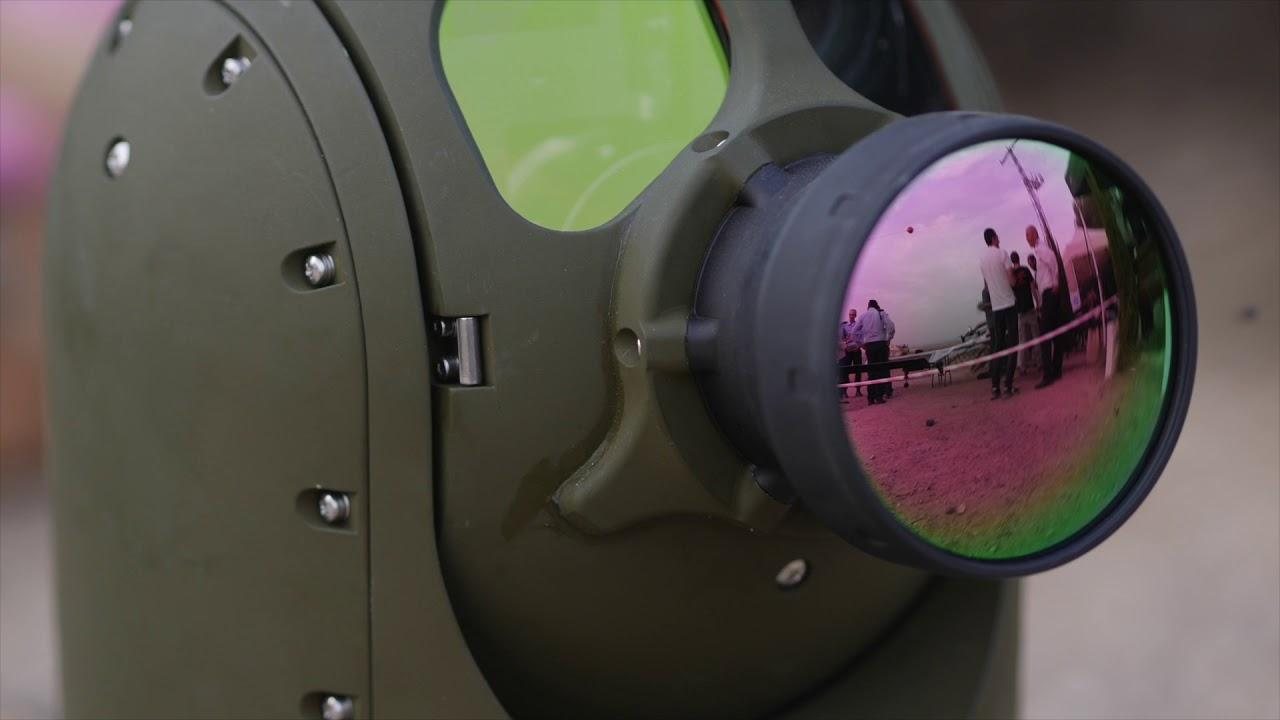 Detekce videaTechnologie termálního zobrazování: Tato metoda je také pomocnou technologií, která využívá tepelné záření generované během letu dronu k detekci polohy a kombinuje další technologie pro dokončení včasného varování a určení polohy dronu.
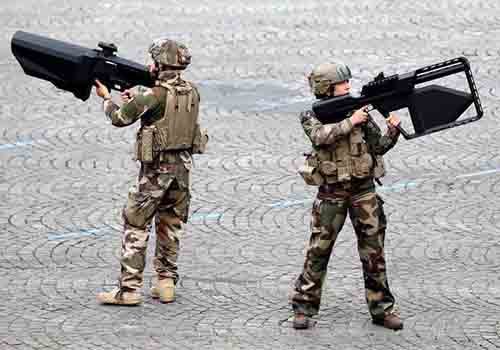
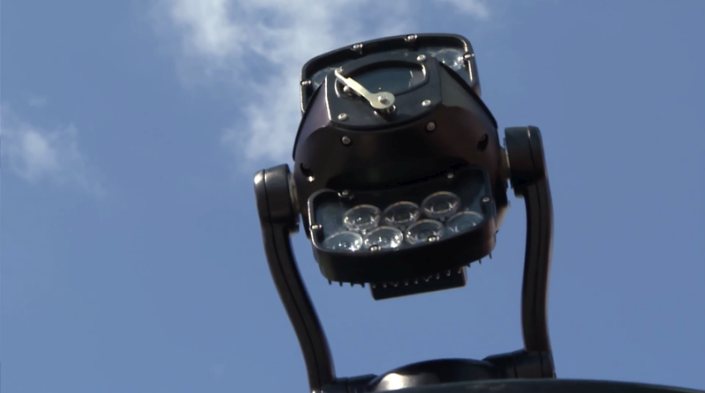 Other methods: Some other anti-drone technologies include visual observation, radio frequency technology, and the creation of geographic barriers. After detecting the incoming UAV, the follow-up work needs to be completed by the corresponding weapons. The destruction methods include air defense light weapons, guided missiles, lasers, net guns, strong jamming devices or high-frequency microwave weapons, etc.
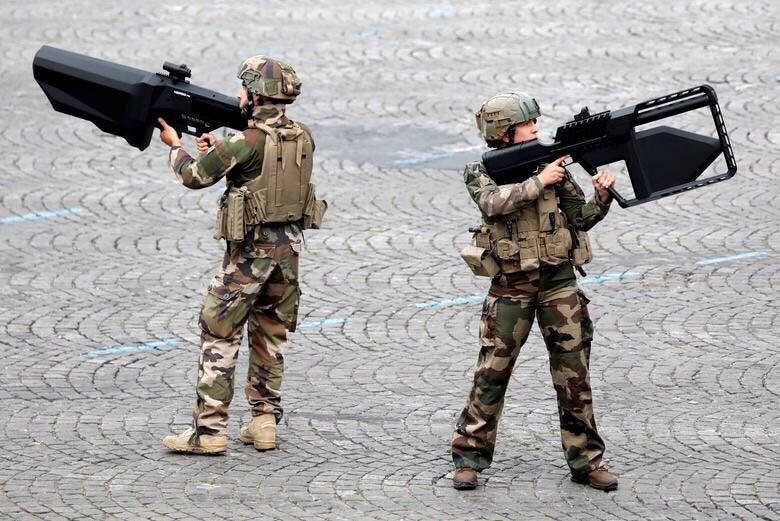 Síťová zbraň proti dronům
It can be seen from the above-mentioned anti-drone technology that the technology for preventing and eliminating incoming drones at this stage is still at the level of "terminal", which is to eliminate the drones that have already struck, and for those released The remote control personnel and facilities that control the drone are basically powerless. This is the so-called anti-drone technology that "treats the symptoms but not the root cause".Israel's "traceable" anti-UAV system being tested
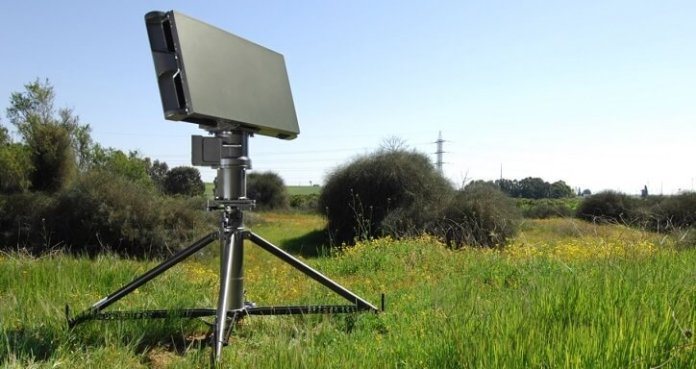
Nedávno Ben Gurion University v Izraeli vyvinula technologii, která dokáže zcela odstranit dronovou velín daleko za sebou a je považována i za antidron, který drony zásadně eliminuje. Systém ELTA.
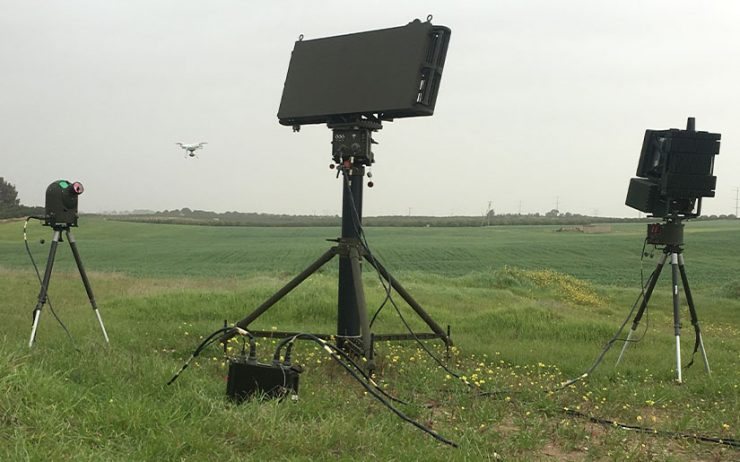 ELTA Anti-UAV systém
Researchers use satellites to collect the flight path of the drone, and analyze the drone's flight and signal reception methods through an autonomously constructed intelligent network. Through cloud data calculation, the location of the drone's control terminal can be predicted. It is currently being tested and it is said that its accuracy rate is as high as 78%, and the response time is quite fast.
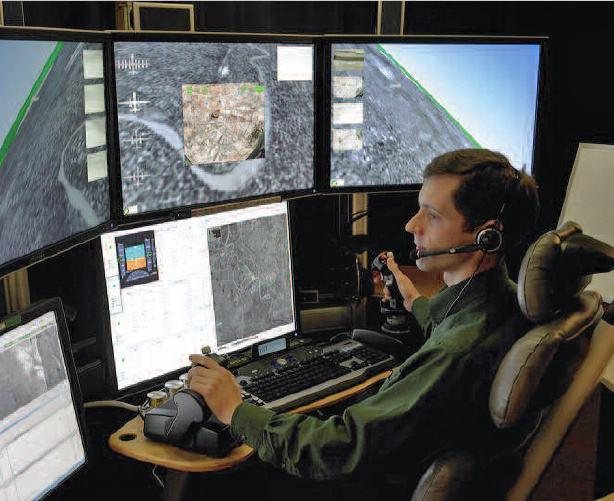 Místnost dálkového ovládání UAV
Mashhadi of Ben Gurion University said when announcing the operation of the system that their system can show the reaction data of the remote controller to the surrounding environment when controlling the aircraft, and it also combines the flight path of the drone and the wireless signal. To obtain the position information of the controller. The core device in the entire system is an intelligent network (also called a neural network, developed by the Israelis), with the help of AirSim (aeronautical information and machine simulation simulator) to finally achieve a "bottom-off" type of drone countermeasures.
 According to experts, the UAV control room generally does not only operate one UAV, it may control multiple or even dozens of aircraft at the same time. If you use the method of fighting one by one, not only the ground personnel are exhausted and the effect is not good, but the economic cost is also unaffordable. However, if this "traceable" anti-drone technology is successfully used, then as long as the drone is controlled If the person is not thousands of miles away, then anti-drone will become very simple.
Samozřejmě, že tento druh systému může být zaměřen pouze na stávající pilotované drony. Pokud existují inteligentní drony, které mohou v budoucnu fungovat zcela autonomně, pak obranné síly potřebují výkonné zbraně protivzdušné obrany a pokročilejší detekční zařízení.