Dron masih menjadi "objek" yang jarang berlaku semasa Perang Teluk! Hari ini, bagaimanapun, peralatan ini hampir menguasai seluruh perang. Ambil konflik baru-baru ini antara Armenia dan Azerbaijan. Dua negara "pinggiran" yang anda mungkin tidak tahu namanya jika bukan kerana perang telah pun digunakantenteray dronbegitu teliti!
Armed reconnaissance, combating tanks, destroying fortifications, special operations, etc. have all been used "arbitrarily" in this conflict. The key point is that the price of this equipment is quite cheap, and a small country like this can also afford it! Then we can imagine what the future wars will look like if conflicts break out among the real military powers
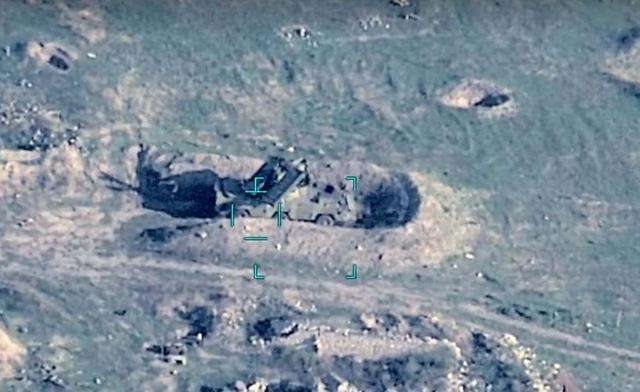 Perang dron antara Armenia dan Azerbaijan berterusanPenguasa medan perang masa depan "drone"Ambil Amerika Syarikat sebagai contoh. Dari 2002 hingga 2010, bilangan dron meningkat sebanyak 40 kali ganda. Pada tahun 2010 sahaja, bilangan dron tentera AS melebihi 11,000 (dron besar, sederhana, kecil dan mikro).
Semua model disertakan). Menjelang 2018, bilangan sederhana dandron tugas beratlebih daripada 20 kg yang dilengkapi oleh tentera A.S. mencecah kira-kira 3,500. Walaupun kebanyakan tugas yang dilakukan oleh UAV ini adalah terutamanya peninjauan udara, masih terdapat kira-kira 1,000 Pesawat itu boleh membawa senjata dan boleh melakukan pelbagai misi mogok. Pada masa yang sama, A.S.
tentera akan terus mengembangkan pasukan dron ini pada masa hadapan, dan belanjawan yang sepadan juga meningkat dari tahun ke tahun. Pada masa ini, pelaburan tahunan untuk dron hampir mencecah puluhan bilion dolar!
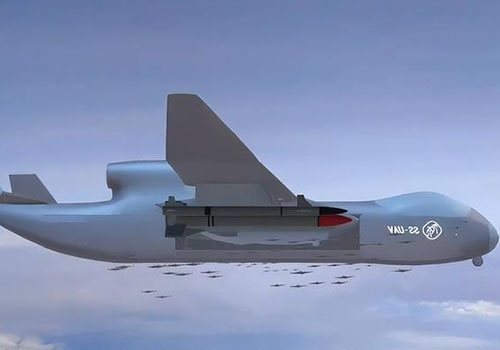
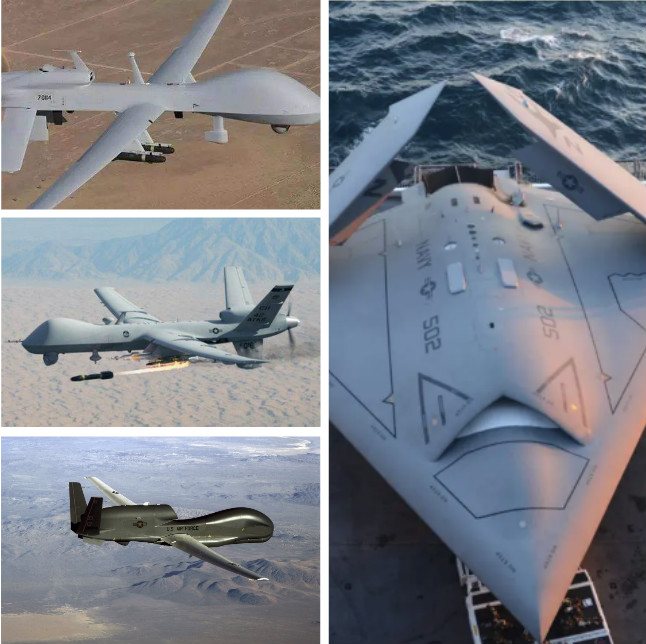 Beberapa dron tentera perwakilan yang dilengkapi oleh Amerika SyarikatOf course, the United States is just a microcosm. At present, all countries in the world are vigorously developing UAV units, and the scale is also very large. This equipment has quickly become the protagonist of the battlefield due to its high safety, high cost performance, various tasks, easy use, and flexibility.
Peninjauan, serangan, pengawasan, tindakan balas elektronik, penyampai komunikasi, sokongan logistik, mencari dan menyelamat serta bimbingan adalah semua kemahiran istimewanya. Kakitangan hanya perlu duduk di bilik kawalan jauh untuk mengawal segala-galanya di medan perang.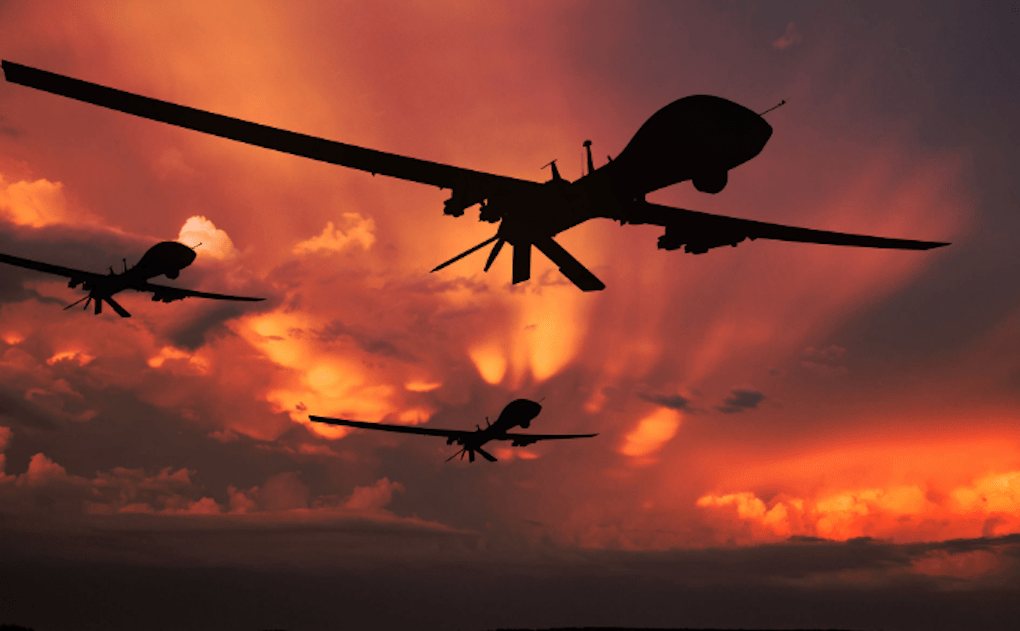 Sesetengah orang meramalkan bahawa perang masa depan akan menjadi dunia senjata tanpa pemandu dan peralatan pintar!
The "spear" (drone) is too sharp, and the shield is ready to emergeJudging from the recent local conflicts, this statement is undoubtedly correct. Intelligent, information-based drones have gradually dominated the battlefield, and in its eyes there is almost nothing impossible! Of course, an emerging technology that is also rising rapidly, that is,peranti anti dron .
Apa yang dipanggil "tombak juga mesti mempunyai perisai", mana-mana senjata yang kuat akan mempunyai peralatan yang dihalang. Walaupun dron boleh "memanggil angin dan hujan" di medan perang, negara-negara juga giat mempromosikan kekangan di negara lain sambil melengkapkan mereka. Teknologi anti-drone untuk dron.
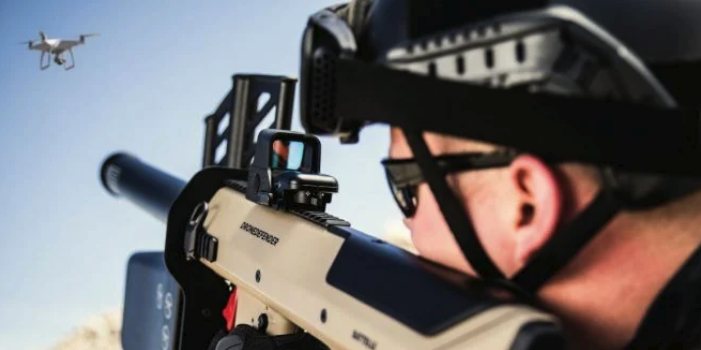
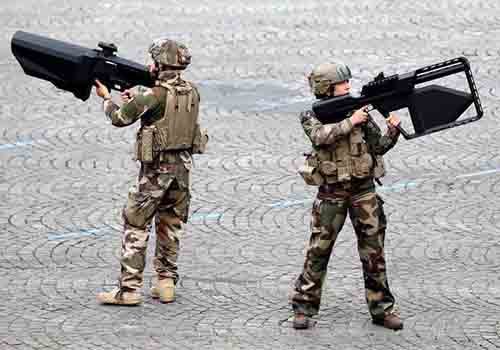
Kakitangan darat sedang membidik dronThe current development of UAVs is actually still in its infancy, and there is still a certain gap between the AI UAVs that are equipped with artificial intelligence, which can independently perform battlefield intelligence analysis and judgment, and make correct and reasonable responses. The vast majority of drones still rely on remote wireless control to complete operations, so this is the biggest shortcoming of drones at this stage.
Sebaik sahaja pengawal tersingkir, dron yang dikawal olehnya akan menjadi sekumpulan dron serta-merta. sekerap!
Secara langsung mengenai pengendali, teknologi anti-drone jenis "mengeluarkan wang dari bawah" ini harus dianggap sebagai cara paling berkesan untuk menentang serangan dron, tetapi ia juga merupakan teknologi yang paling sukar dan kompleks!
Teknologi anti-drone arus perdana konvensional
Teknologi anti-UAV arus perdana semasa yang dibangunkan oleh pelbagai negara terutamanya termasuk:
Pengesanan audio: Amaran awal disediakan dengan memantau bunyi khas yang dikeluarkan oleh dron! Terutamanya drone baling-baling, tetapi kaedah ini hanya sesuai digunakan di kawasan terbuka, sukar untuk berfungsi di kawasan bunyi bising seperti bandar!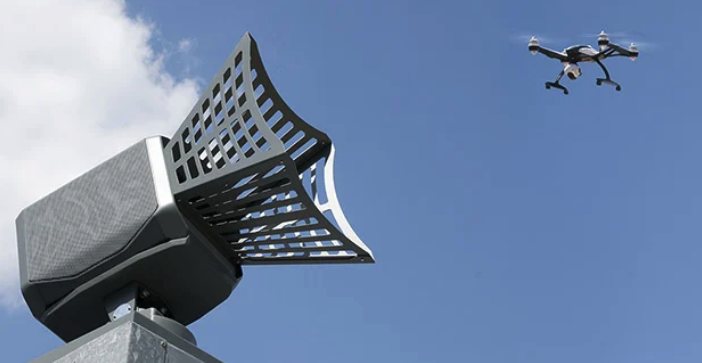 Pengesanan audio
Jammer: Gunakan gangguan elektromagnet kuat yang dikeluarkan oleh jammer untuk menyekat sambungan data antara dron dan operator. Peralatan ini boleh diperbaiki atau mudah alih, tetapi julat kerjanya terhad dan memerlukan banyak tenaga!
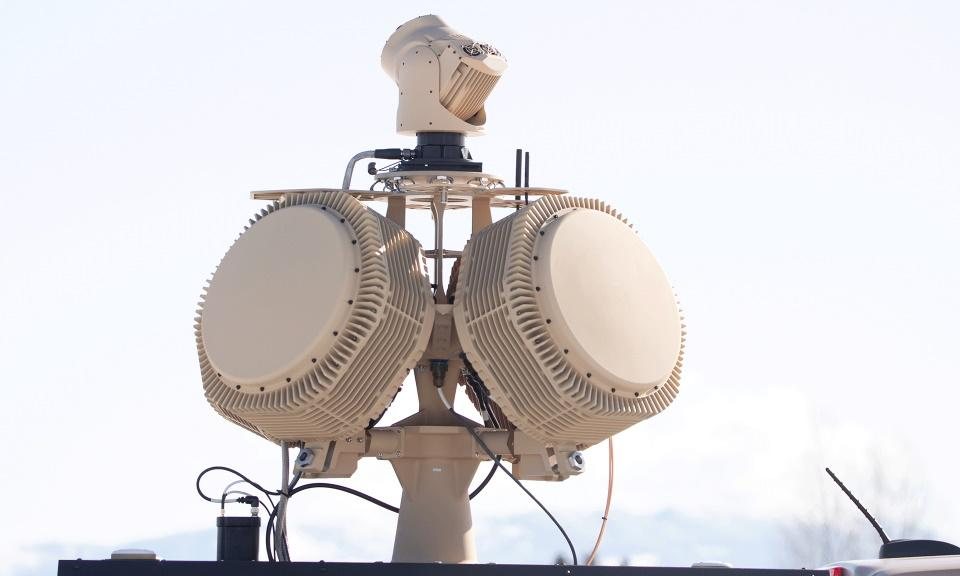 Jammer
Radar technology: In fact, this technology can only have a relatively good effect on large-scale UAVs, such as small and micro UAVs flying at low altitudes, which have almost no effect. In 2015, a small drone once traversed the layers of protection of the White House and landed on its lawn. In the end, it was discovered with the naked eyes of secret service personnel. Therefore, the role of radar technology in dealing with small UAVs is not particularly obvious.
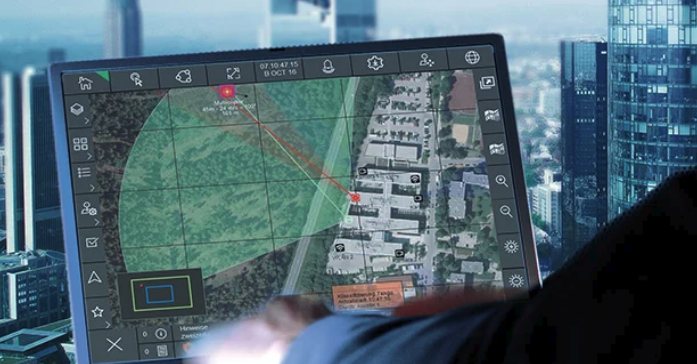 Pengesanan video: Teknologi ini biasanya digunakan dalam kombinasi dengan kaedah pengesanan lain. Penggunaan penderia untuk menangkap siluet kenderaan udara hanya boleh digunakan sebagai kaedah tambahan atau rakaman, dan bukannya teknologi anti-UAV utama.
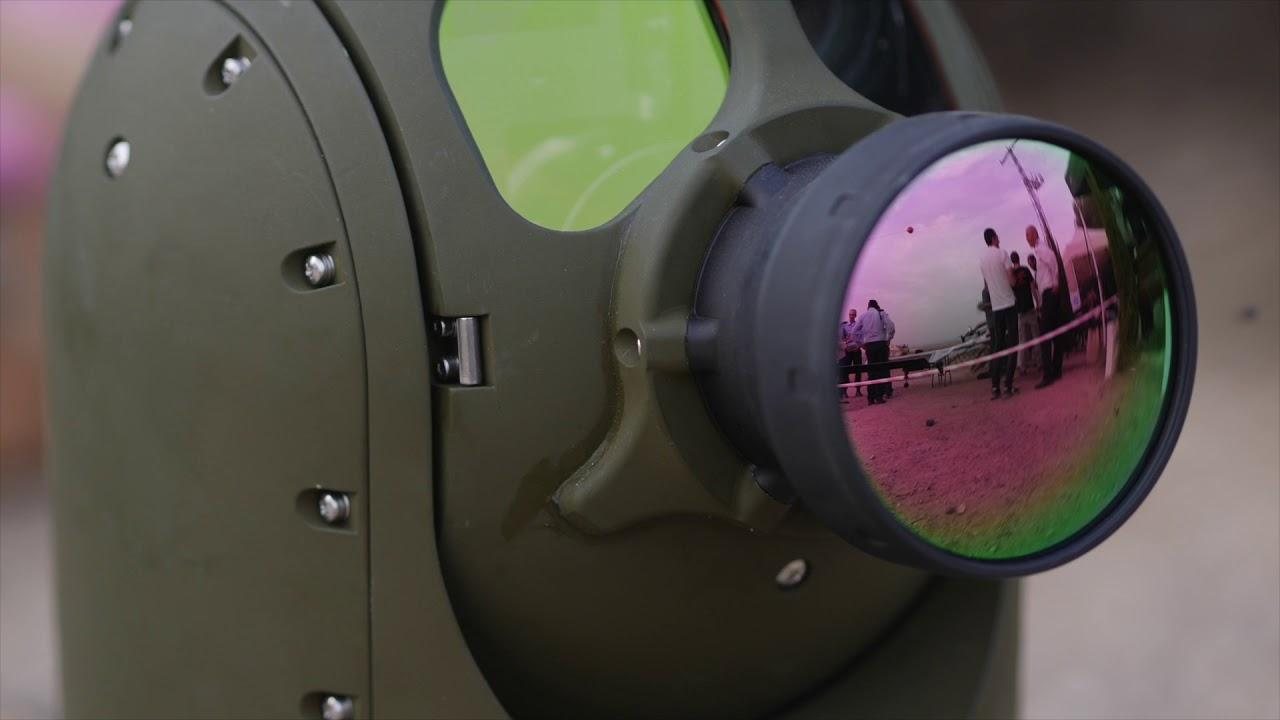 Pengesanan videoTeknologi pengimejan terma: Kaedah ini juga merupakan teknologi tambahan yang menggunakan sinaran terma yang dijana semasa penerbangan dron untuk mengesan kedudukan, dan menggabungkan teknologi lain untuk melengkapkan amaran awal dan kedudukan dron.
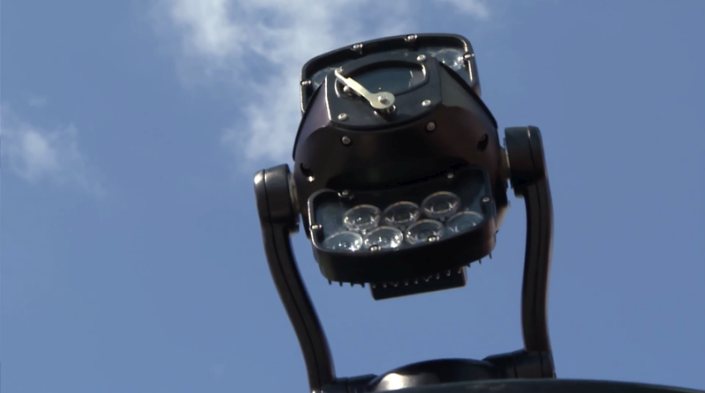 Other methods: Some other anti-drone technologies include visual observation, radio frequency technology, and the creation of geographic barriers. After detecting the incoming UAV, the follow-up work needs to be completed by the corresponding weapons. The destruction methods include air defense light weapons, guided missiles, lasers, net guns, strong jamming devices or high-frequency microwave weapons, etc.
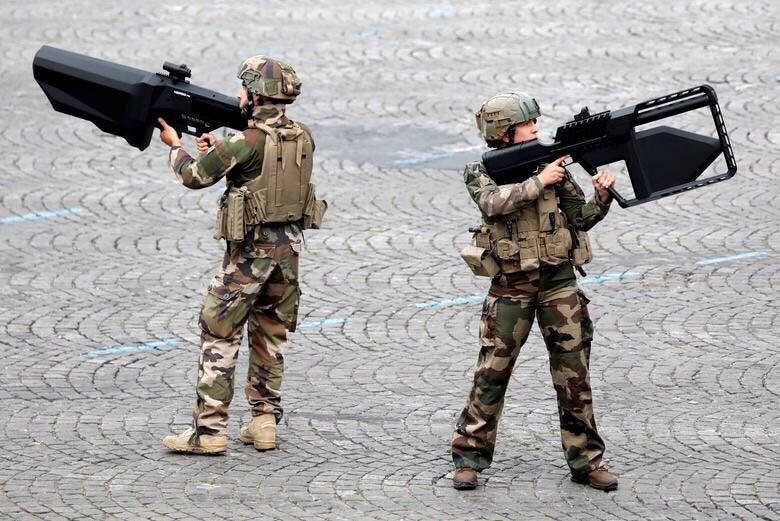 Pistol jaring anti-drone
It can be seen from the above-mentioned anti-drone technology that the technology for preventing and eliminating incoming drones at this stage is still at the level of "terminal", which is to eliminate the drones that have already struck, and for those released The remote control personnel and facilities that control the drone are basically powerless. This is the so-called anti-drone technology that "treats the symptoms but not the root cause".Israel's "traceable" anti-UAV system being tested
Baru-baru ini, Universiti Ben Gurion di Israel telah membangunkan teknologi yang boleh membuang sepenuhnya bilik kawalan dron jauh di belakang, dan ia juga dianggap sebagai anti-drone yang secara asasnya menghapuskan dron. Sistem ELTA.
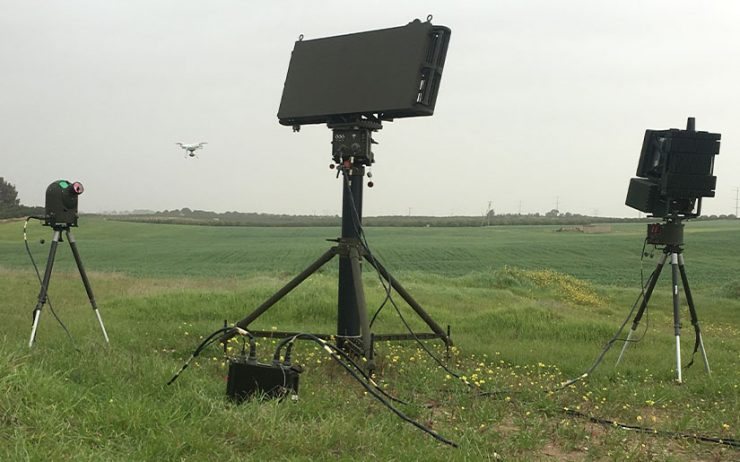 Sistem Anti-UAV ELTA
Researchers use satellites to collect the flight path of the drone, and analyze the drone's flight and signal reception methods through an autonomously constructed intelligent network. Through cloud data calculation, the location of the drone's control terminal can be predicted. It is currently being tested and it is said that its accuracy rate is as high as 78%, and the response time is quite fast.
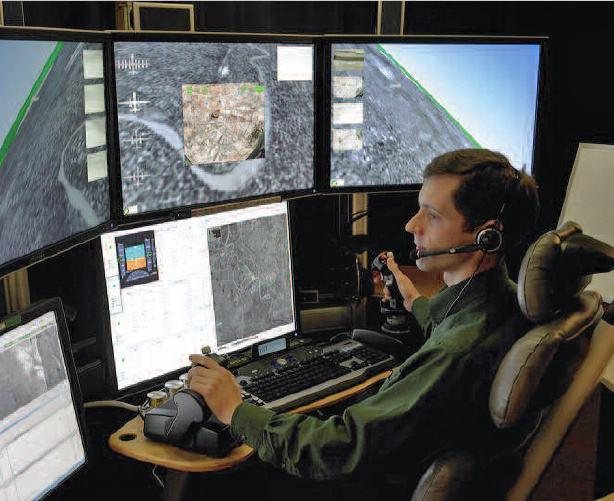 Bilik kawalan jauh UAV
Mashhadi of Ben Gurion University said when announcing the operation of the system that their system can show the reaction data of the remote controller to the surrounding environment when controlling the aircraft, and it also combines the flight path of the drone and the wireless signal. To obtain the position information of the controller. The core device in the entire system is an intelligent network (also called a neural network, developed by the Israelis), with the help of AirSim (aeronautical information and machine simulation simulator) to finally achieve a "bottom-off" type of drone countermeasures.
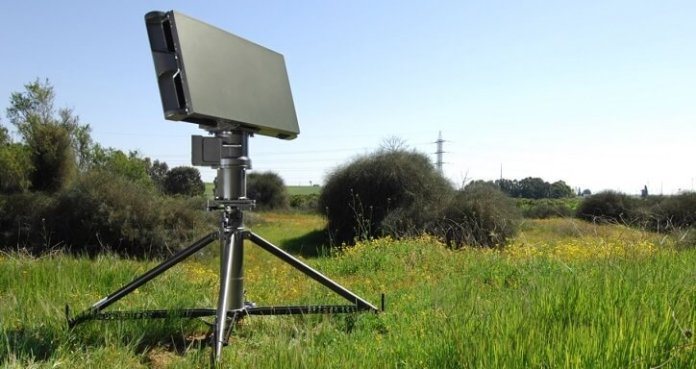 According to experts, the UAV control room generally does not only operate one UAV, it may control multiple or even dozens of aircraft at the same time. If you use the method of fighting one by one, not only the ground personnel are exhausted and the effect is not good, but the economic cost is also unaffordable. However, if this "traceable" anti-drone technology is successfully used, then as long as the drone is controlled If the person is not thousands of miles away, then anti-drone will become very simple.
Sudah tentu, sistem seperti ini hanya boleh ditujukan kepada dron berawak sedia ada. Jika terdapat dron pintar yang boleh beroperasi sepenuhnya secara autonomi pada masa hadapan, maka pasukan pertahanan memerlukan senjata pertahanan udara yang kuat Dan alat pengesan yang lebih maju.