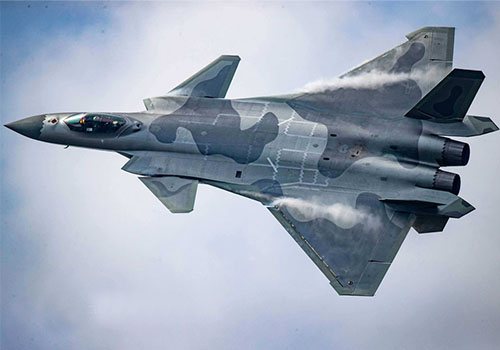
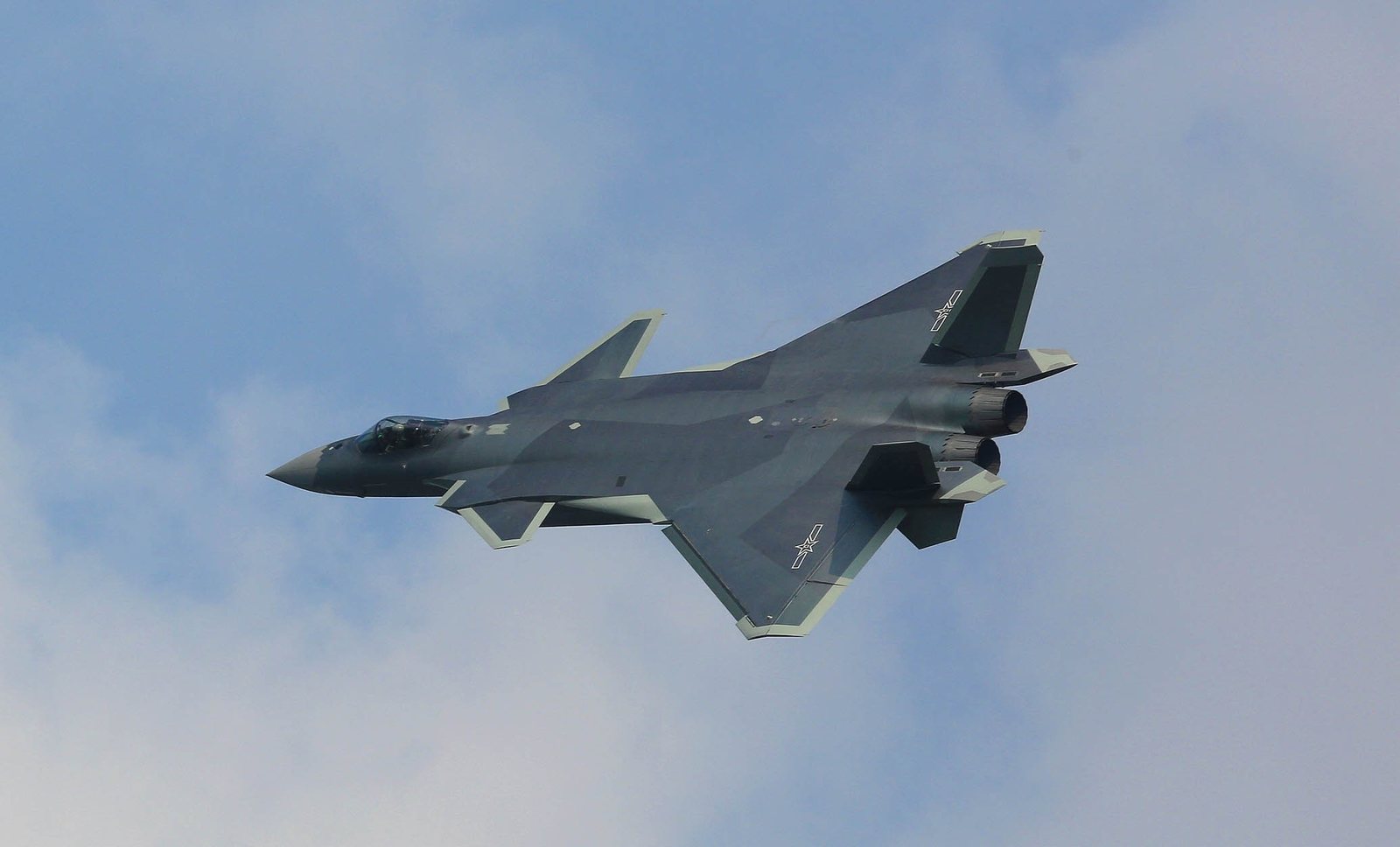
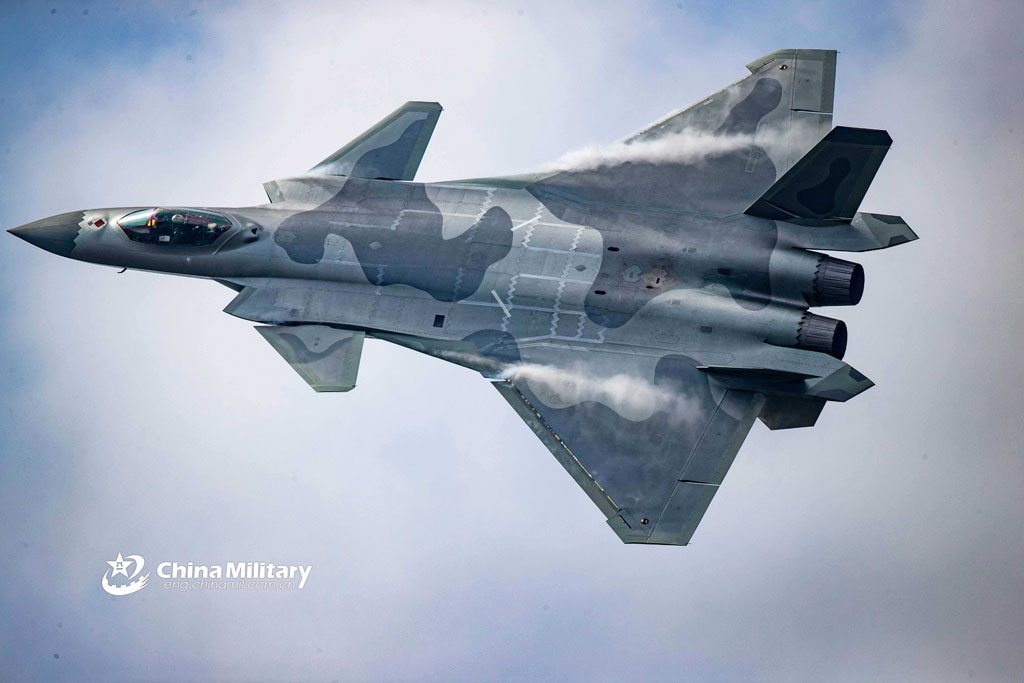
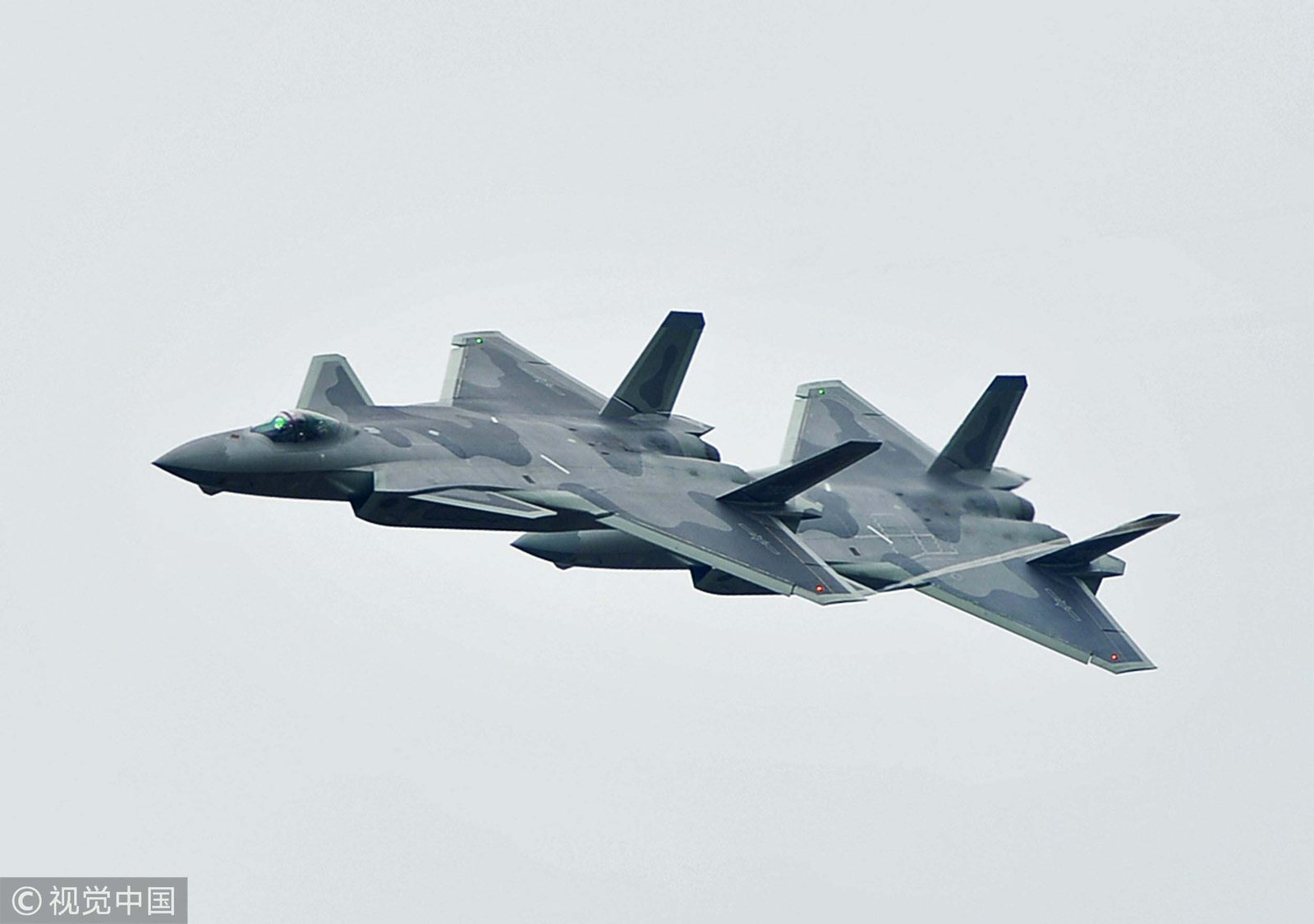
J-20, nicknamed "Vigorous Dragon" and NATO reporting name "Fire Fang," is a latest-generation (fourth generation by old European and American standards, fifth generation by new and Russian standards) twin-engine heavy stealth fighter developed by the Chengdu Aircraft Industry Group for the People's Liberation Army of China. Designed to succeed third-generation air superiority/multi-role fighters like the J-10 and J-11, it will be responsible for safeguarding China's future air and maritime sovereignty.
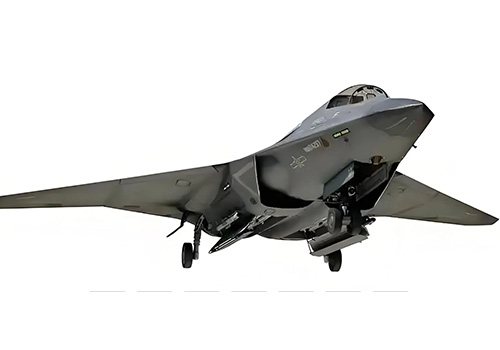
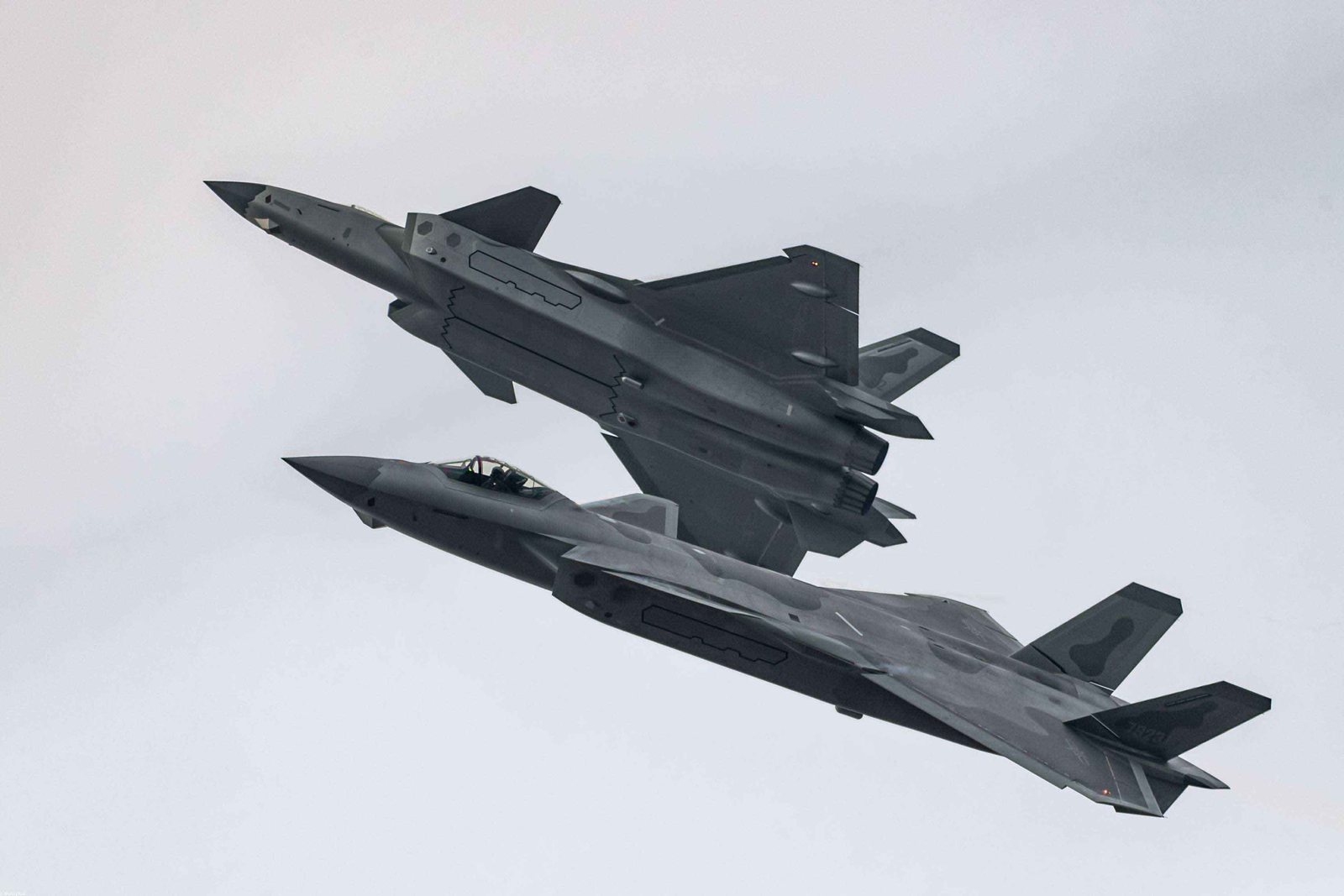
The J-20 features a single-seat, twin-engine design with fully movable twin vertical tails, a DSI bulge-type air intake, and an upturned canard with pointed arch strakes. The nose and fuselage are diamond-shaped, with an outward-canted vertical tail and serrated landing gear doors. The fuselage is painted a deep dark green, appearing almost black from a distance. The side bomb bays utilize an innovative design that allows missile launchers to be pre-enclosed and externally mounted.
Chúng được trang bị tên lửa không đối không mới tiên tiến nhất của Trung Quốc.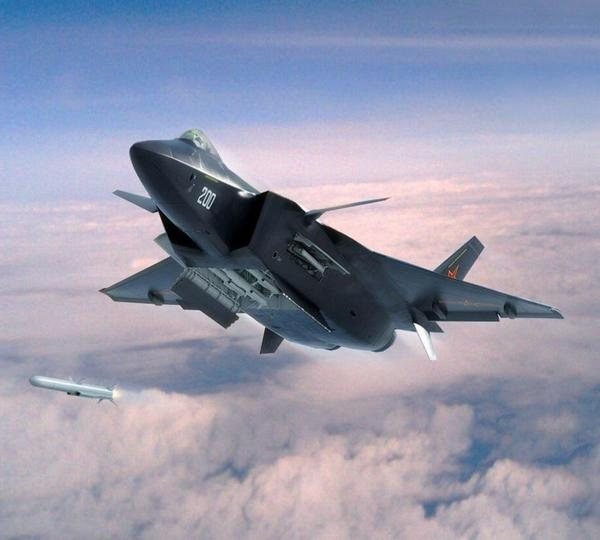 Phân tích hiệu suất toàn diện của máy bay chiến đấu J-20:
I. Thông số cơ bản và thiết kế bên ngoài
1. Kích thước và trọng lượng- Fuselage Length: 21.2 meters- Wingspan: 13.01 meters- Height: 4.69 meters- Empty Weight: 17 tons, Maximum Takeoff Weight: 37 tons- Exterior Features: Adopts a canard-style aerodynamic layout, a diamond-shaped nose, fully movable twin vertical tails, and DSI air intakes. The fuselage is primarily painted dark green. Its stealth design significantly reduces its radar cross-section.
2. Thiết kế tàng hình- Low observability is achieved through a diamond-shaped cross-section, parallel edges, and radar-absorbing materials.- The innovative side bomb bay design allows for pre-installed missile launchers, reducing bay opening time.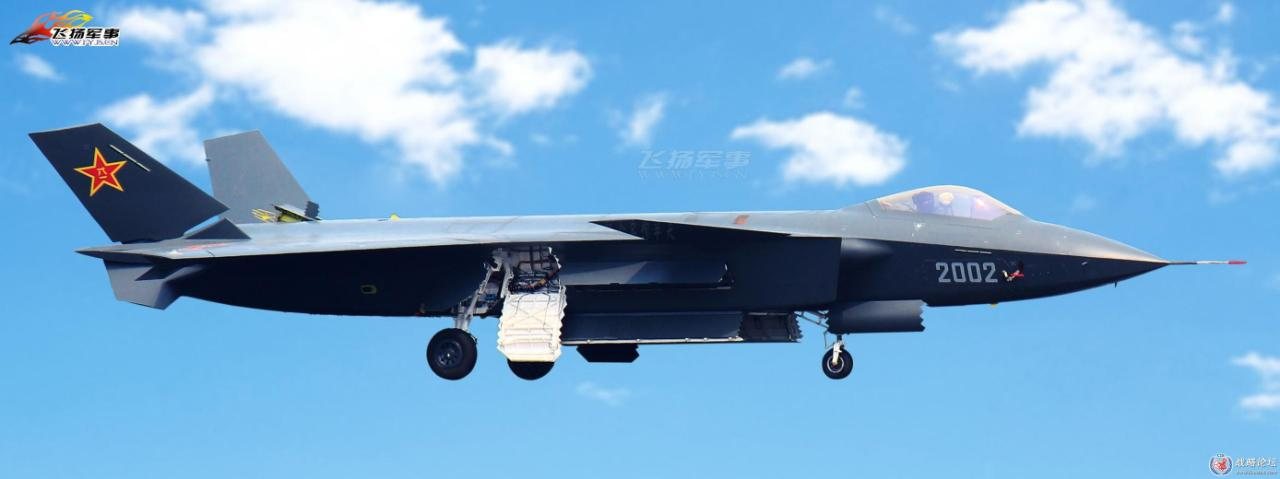 II. Hệ thống truyền động và khả năng cơ động
1. Cấu hình động cơ
- WS-15 engine: Maximum thrust of 18.5 tons per engine, equipped with a three-axis vectoring nozzle, supports supersonic cruise (Mach 1.83) and a maximum speed of Mach 2.8.
- Compared to the earlier WS-10C engine, which has a thrust of 145 kN (approximately 14.8 tons) and a thrust-to-weight ratio of approximately 10.
2. Tốc độ siêu âm và khả năng cơ động
- Supersonic cruise capability (Mach 1.8) significantly improves battlefield responsiveness.
- Canard + fully movable vertical tail + leading edge vortex design enhances maneuverability at high angles of attack.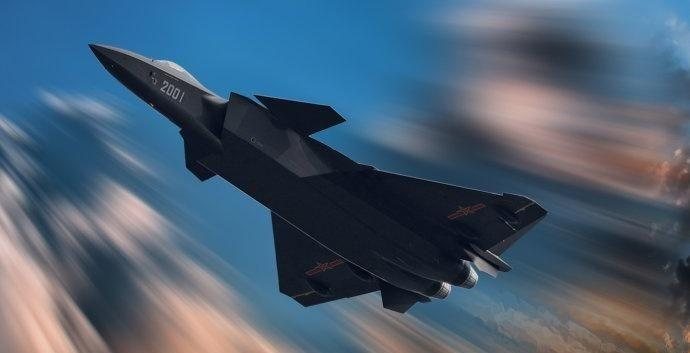 III. Hệ thống tải và vũ khí
1. Tải vũ khí
- Internal bomb bay: The main bomb bay can carry 4 PL-15 medium- and long-range air-to-air missiles, and the side bomb bay can carry 2 PL-10E close-range combat missiles.
- External hang capability: 4 underwing hang points (usually not used for stealth missions), with a maximum load of 11 tons.
2. Nâng cấp đạn dược
- In the future, it may be adapted to the new "pencil bullet", and the main bomb bay capacity will be increased to 6 ([8]).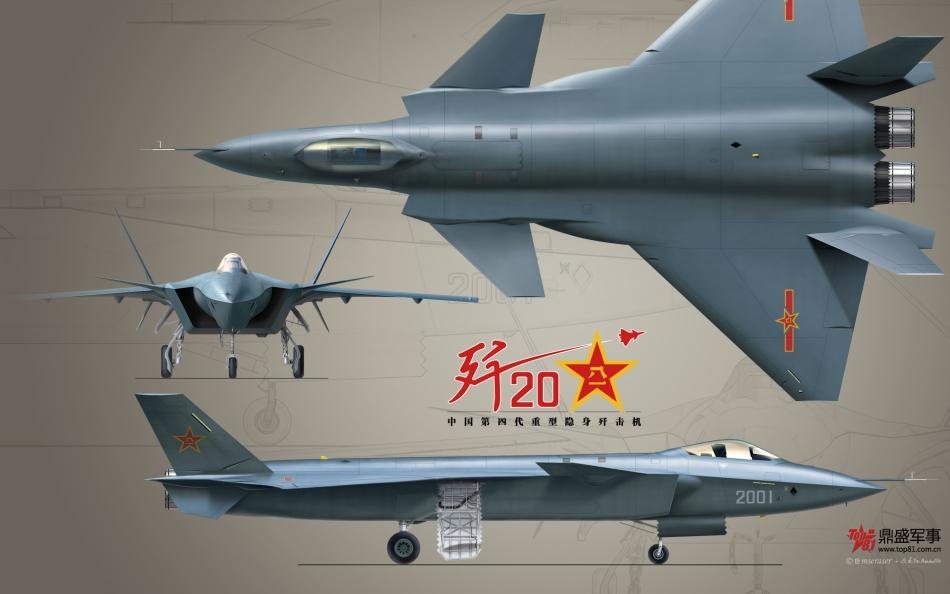 IV. Phạm vi và bán kính chiến đấu
1. Dữ liệu phạm vi
- Maximum range: 6,000 km (WS-15 version, [4]); 5,500 km for early versions.
- Combat radius: 2,000 km (without aerial refueling), covering the first island chain; can extend to Guam after a single refueling.
2. So sánh với F-22
- The combat radius of the F-22 is only 800-1,000 km, and the J-20 has a significant advantage in long-range strike capability. V. Thiết bị điện tử và hoạt động hợp tác
1. Hệ thống radar và nhận thức
- Type 1475 Active Phased Array Radar: Detection range 200 kilometers, capable of tracking 20 targets and locking onto 4.
- Multi-spectrum Detection: Integrated EOST (Electronic-Electronic Targeting System) and EODAS (Distributed Aperture System) enhance stealth target identification.
2. Khả năng hoạt động hợp tác
- Collaborative with drones to build an "information super node" significantly enhances battlefield situational awareness.
- In simulated combat, the J-20S (two-seat version) achieved a 95% success rate against the F-22 through drone collaboration.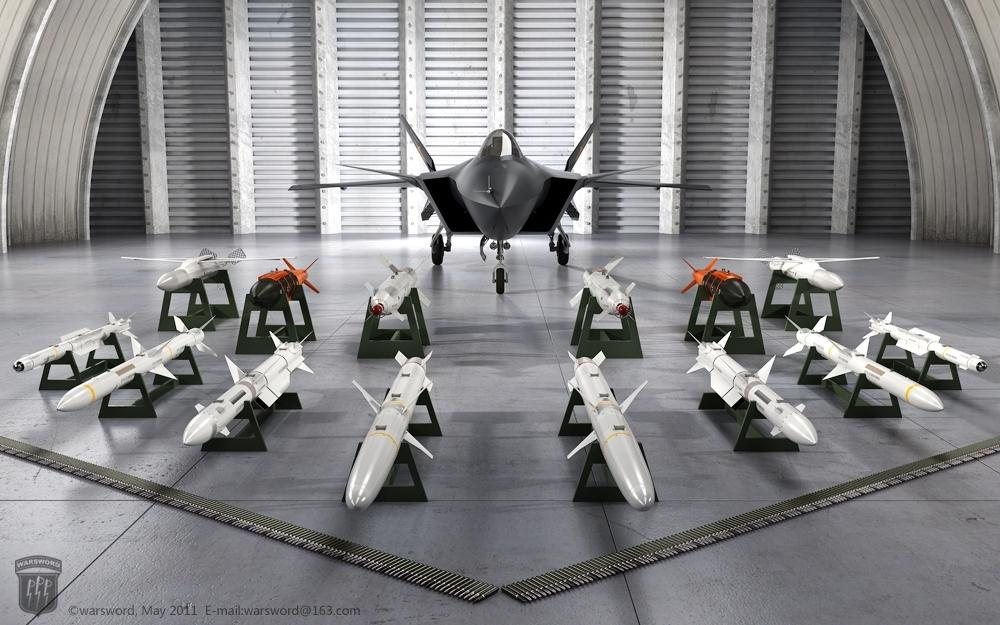 VI. Tóm tắt khả năng chiến đấu
1. Ưu điểm cốt lõi
- Stealth + Supersonic Speed: Combining low observability with high-speed penetration capabilities, it offers an overwhelming advantage over third-generation aircraft (such as the J-10).
- Long-Range Strike: Its extended range and aerial refueling support cross-regional operations, encompassing key nodes in the Western Pacific.
- Systematic Collaboration: Utilizing drone swarms and information networks, it enables asymmetric air combat.
2. So sánh với máy bay thế hệ thứ năm quốc tế
- F-22: The J-20 excels in range, supersonic cruise, and coordinated operations; however, maintenance issues with the F-22's stealth coating weaken its combat effectiveness.
- F-35: The J-20 surpasses it in speed and payload, but the F-35 boasts a higher level of information integration (needs integration with its early warning system).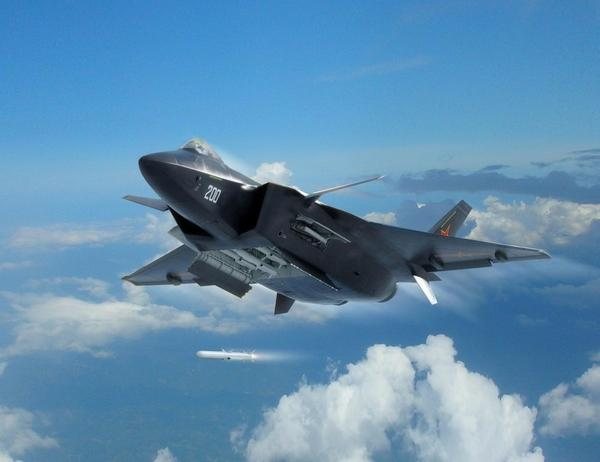
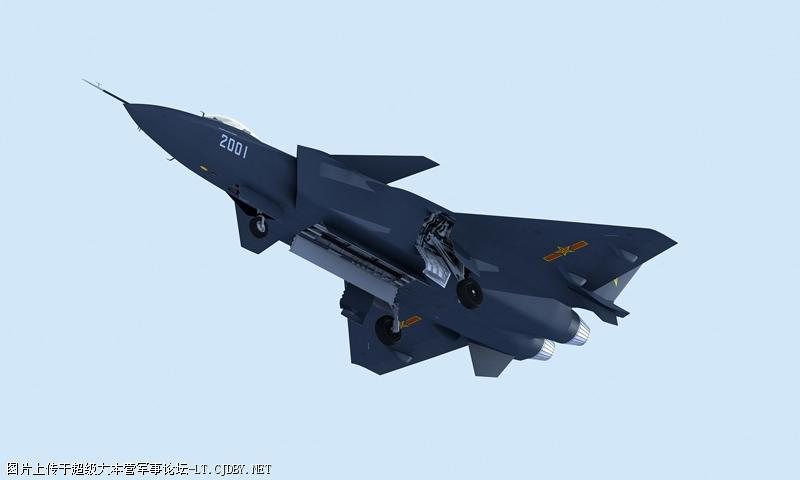
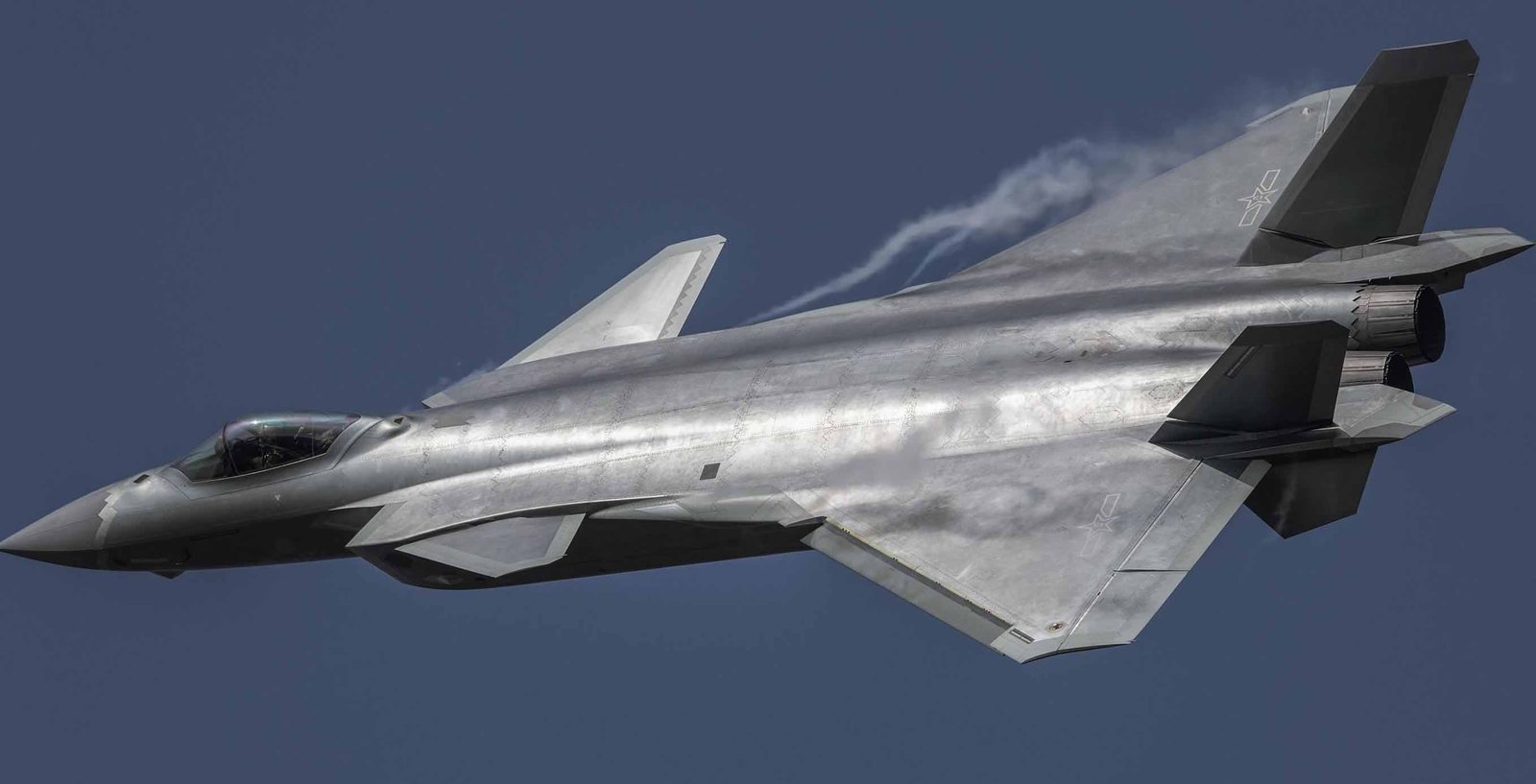
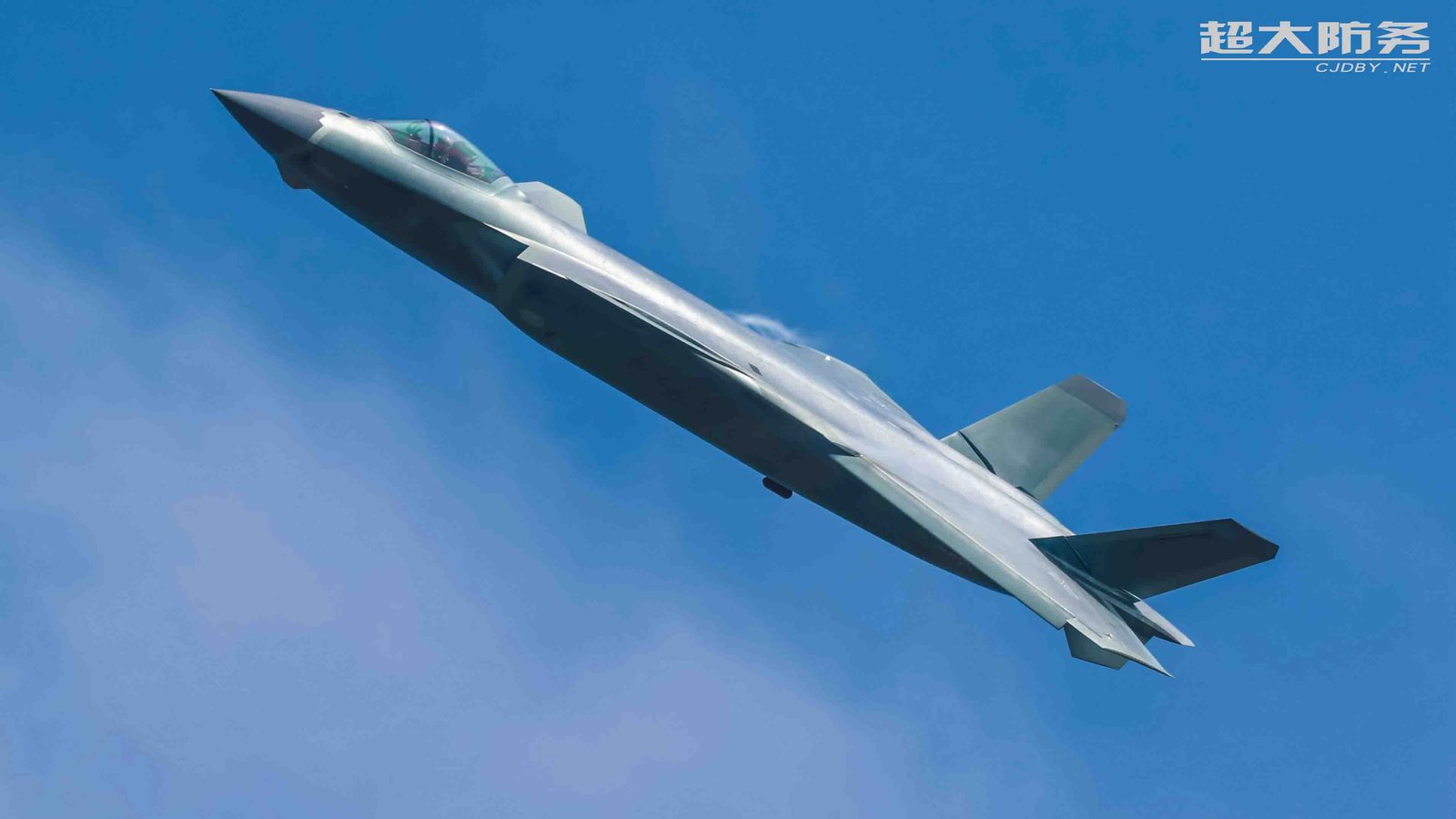
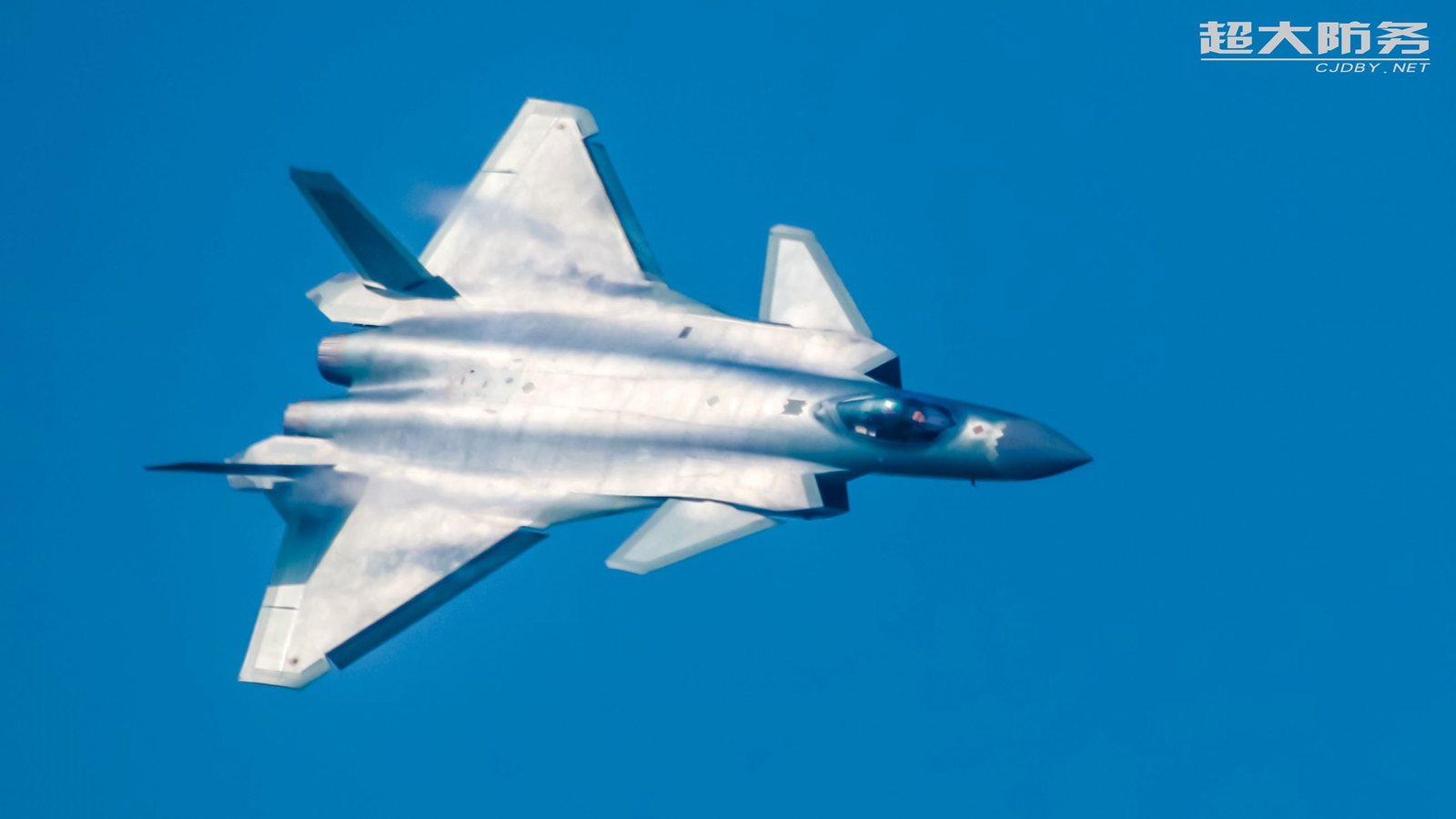
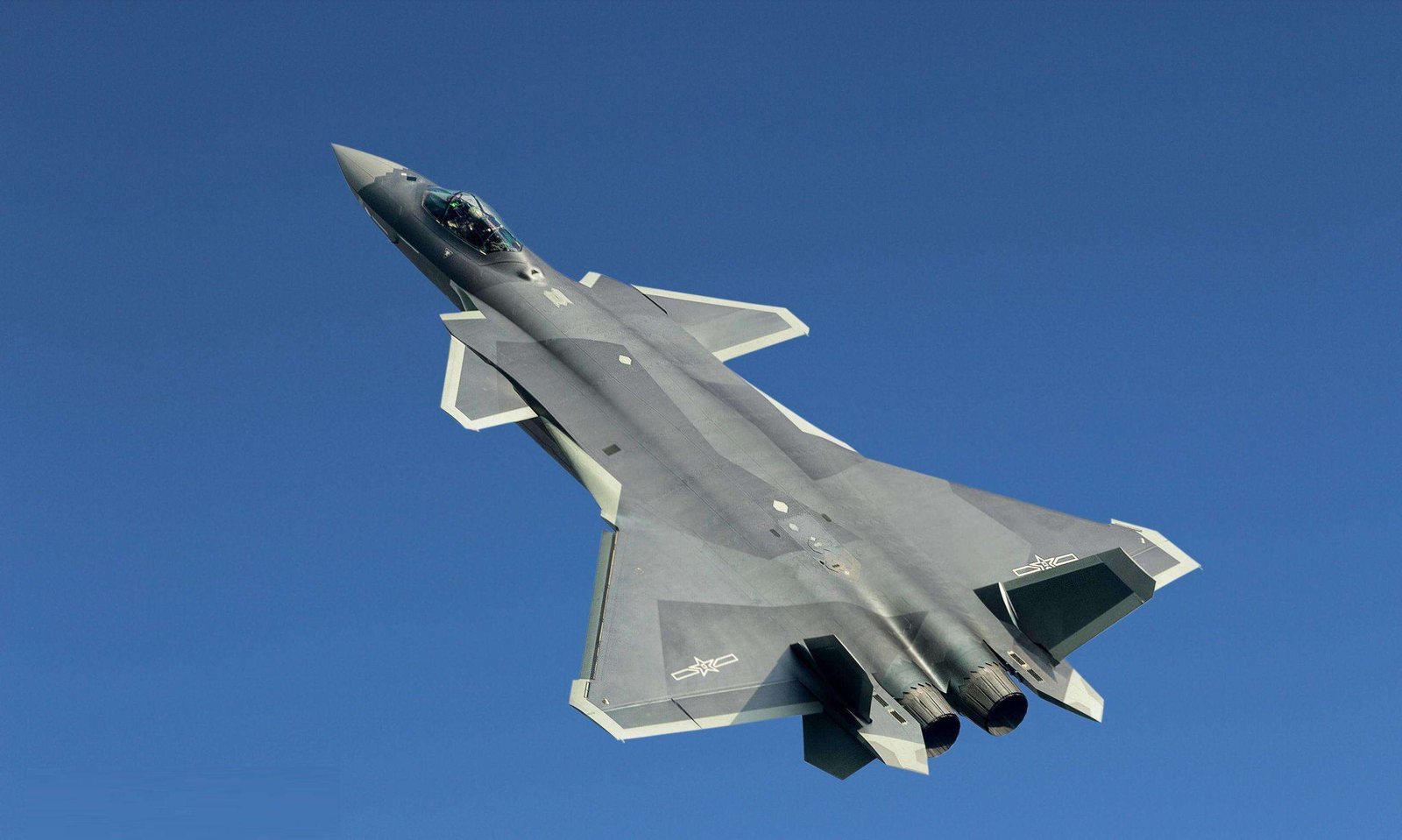
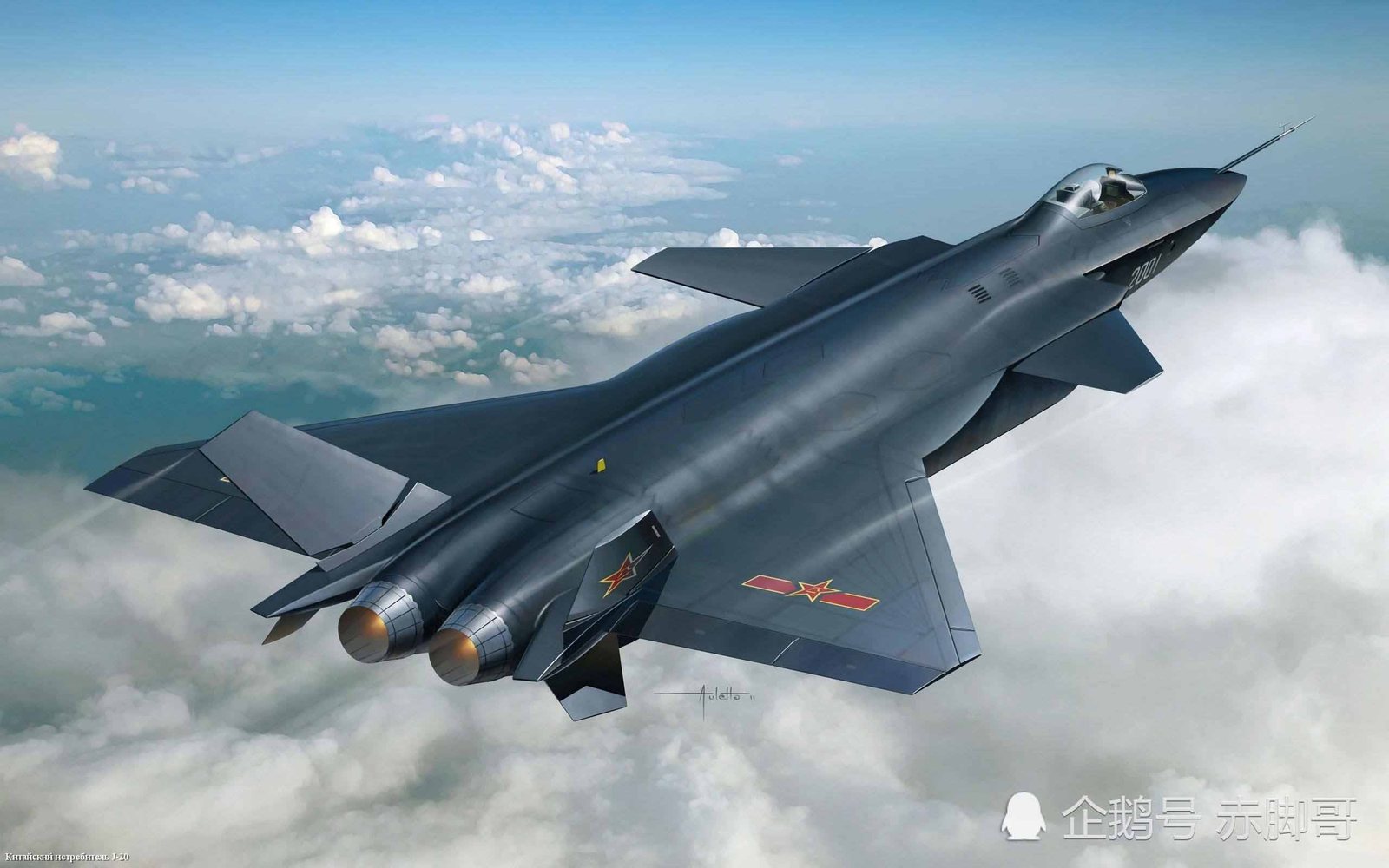
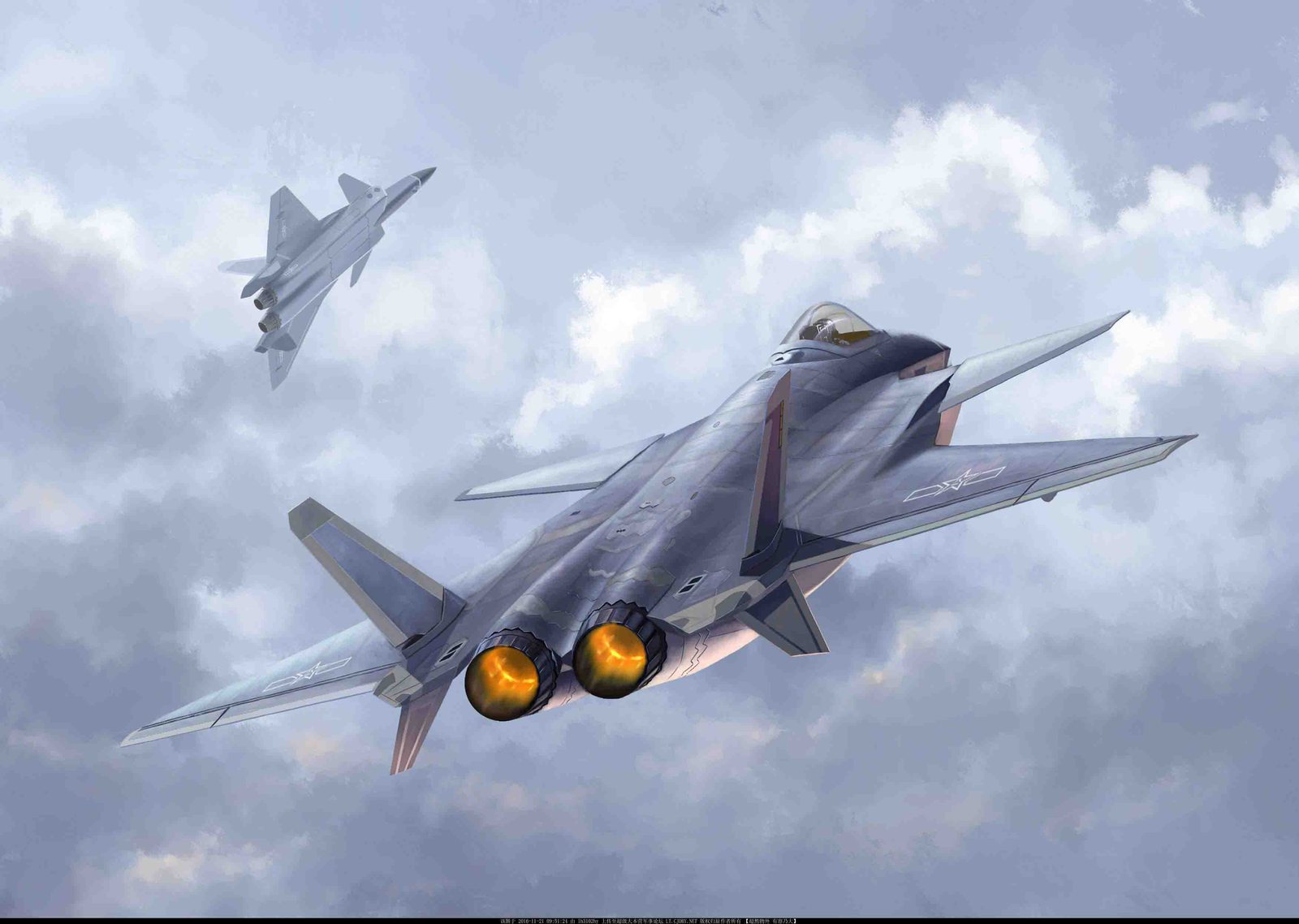
J-20 fighter jet; J-20.