По мере того, как ИИ приближается к Святому Граалю AGI (общему искусственному интеллекту), сочетание крупных моделей и роботов становится неизбежной тенденцией. На протяжении десятилетий рынок одноцелевых роботов был насыщен, и огромный потенциал роботов общего назначения с искусственным интеллектом ждет своего раскрытия.
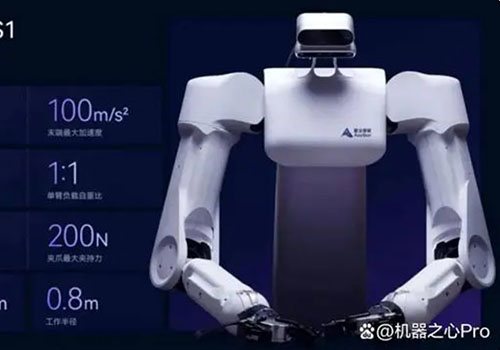
Только что Astribot S1, робот искусственного интеллекта собственной разработки от Stardust Intelligence, продемонстрировал «самые высокие эксплуатационные характеристики» среди роботов той же спецификации.
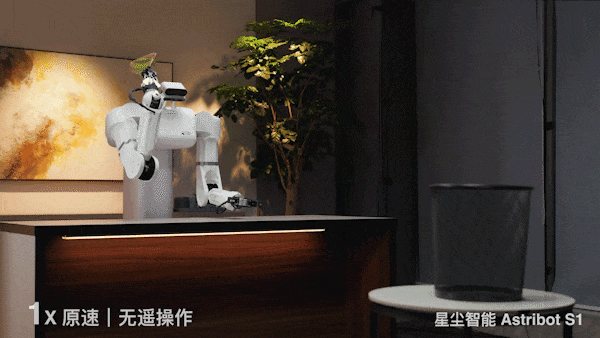
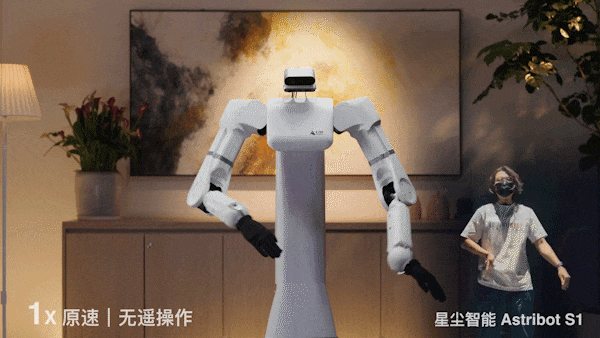
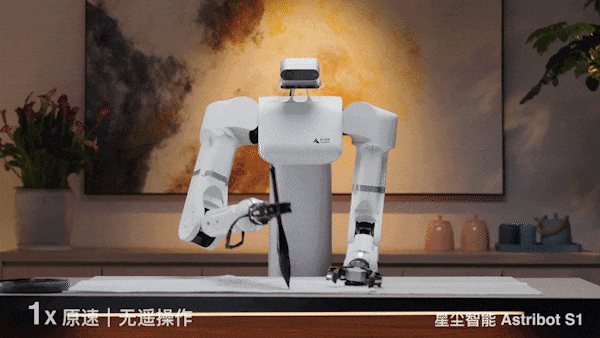
In the unaccelerated 1x speed video (the industry is commonly 3 to 10x speed), the S1 robot demonstrated excellent performance in home and work scenes, completing a series of complex tasks such as folding clothes, sorting items, flipping pots and cooking, vacuuming and cleaning, and competitive cup stacking.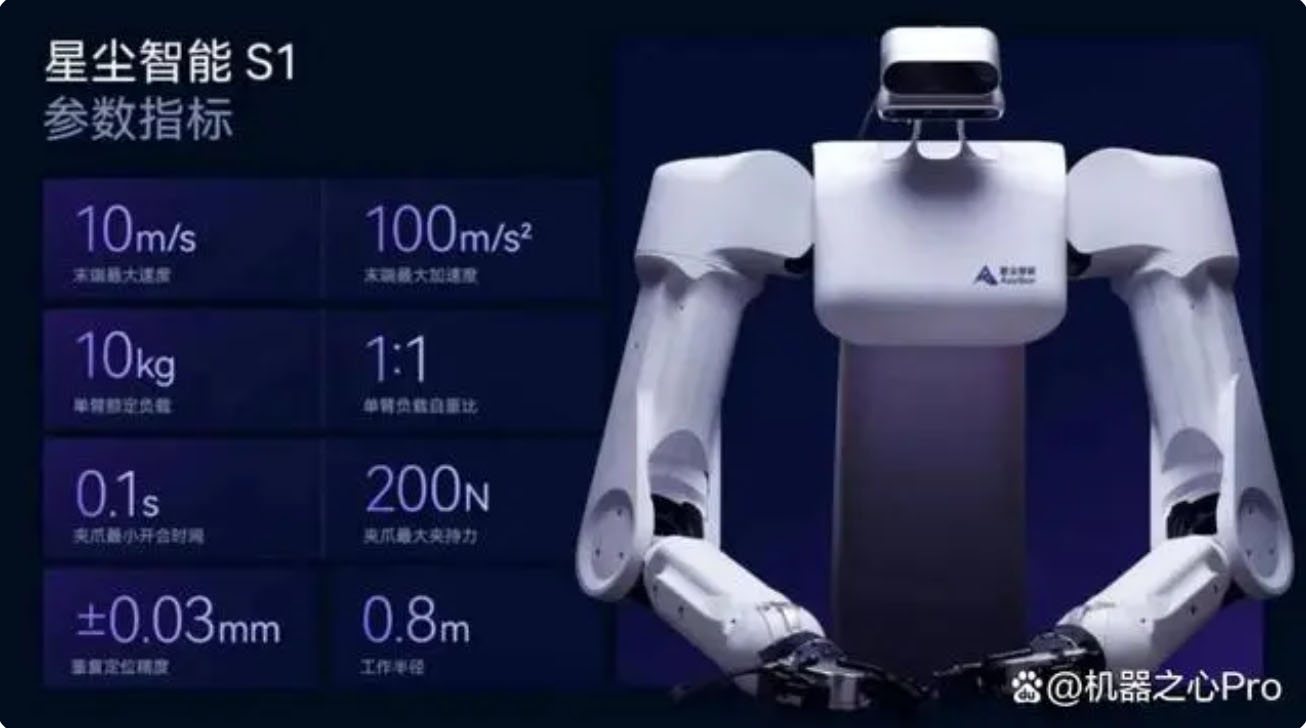 Благодаря имитационному обучению S1 может выполнять множество сложных задач, полезных для людей, с ловкостью, гибкостью и плавностью, сравнимыми со взрослыми, устанавливая новый стандарт для роботов с искусственным интеллектом.
Робот S1 был задействован в крупномасштабных испытаниях модели и, как ожидается, будет коммерциализирован в 2024 году.
Stardust Intelligence CEO Lai Jie said: "Our goal is to enable billions of people to have AI robot assistants. The new generation of AI robots are "Naturally Yours". They can learn, think and work like humans, use human tools and equipment, help people complete boring, difficult or dangerous tasks, and even adapt to the environment and changes, so as to truly take care of the elderly and children in the family. Such a world will require millions or even billions of robots.
Мы приветствуем всех, чтобы они предъявляли больше требований к S1, чтобы его возможности могли вырасти с 55%, 85% до 99,99%, что бесконечно близко к человеческому уровню».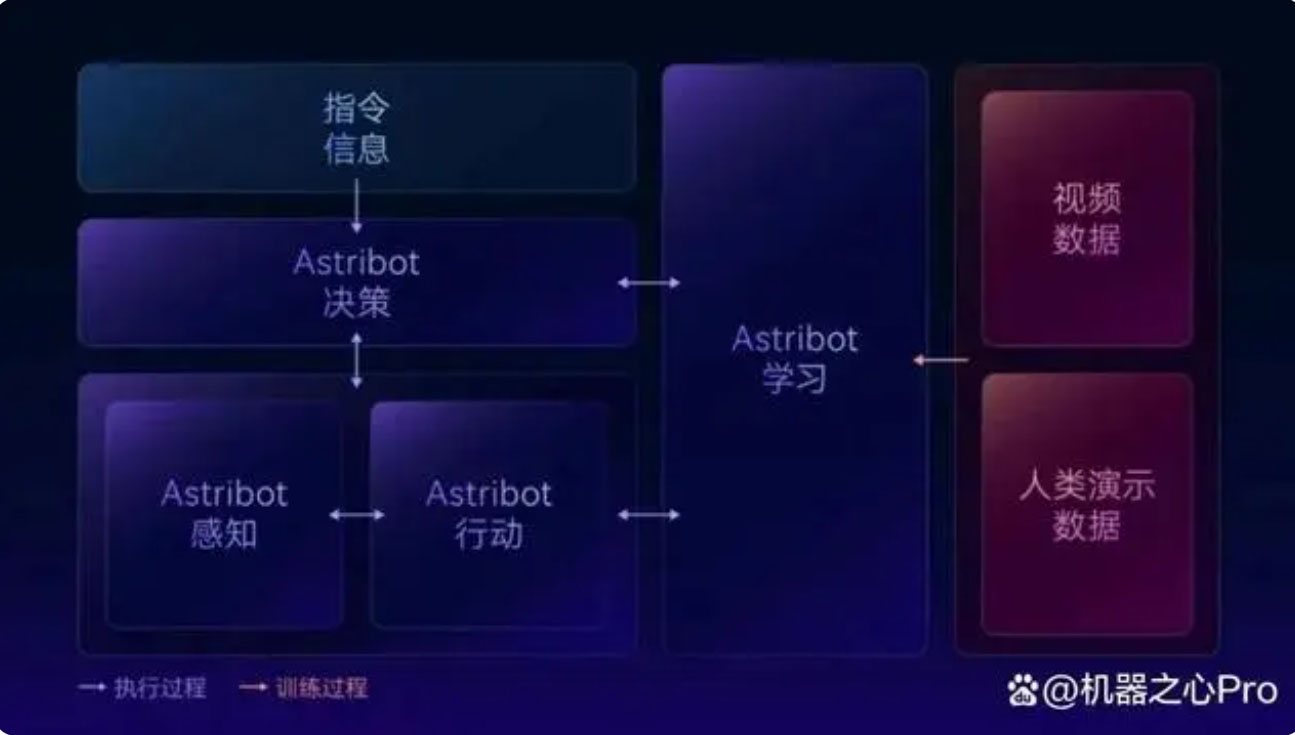 Понятно, что группа исследований и разработок Stardust Intelligence совершила ключевой прорыв в «сотрудничестве программного и аппаратного обеспечения». Разработка S1 заняла год, и у него есть как интеллектуальный «мозг» (программное обеспечение), так и гибкое «тело» (аппаратное обеспечение).
In terms of software, it supports a variety of data collection methods such as video, motion capture and remote operation, and can use reinforcement learning, imitation learning and multi-modal large models to complete learning and training. The robot can be upgraded with the software to continuously improve its intelligence and multi-task generalization capabilities.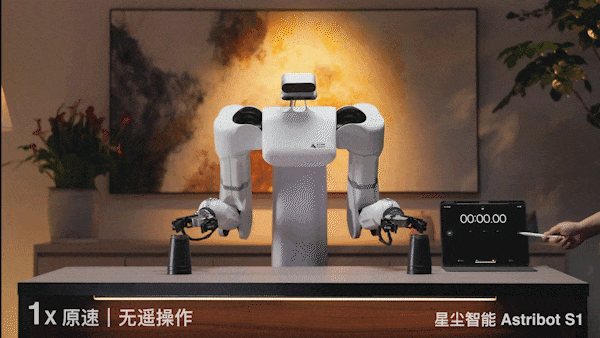
In terms of hardware, the self-developed high-performance motor transmission system has undergone multiple iterations and integrated multiple complex systems such as control, sensing, transmission and drive, providing the S1 robot with agile, flexible and smooth dynamic operation capabilities, close to the speed and precision of industrial robots. In addition, the head, hands and torso are modularly designed and can be flexibly assembled or disassembled according to different needs to improve task adaptability.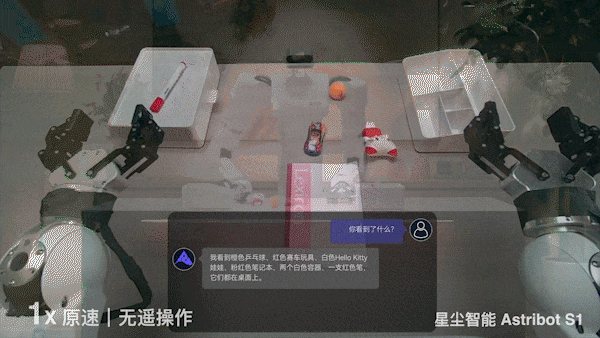
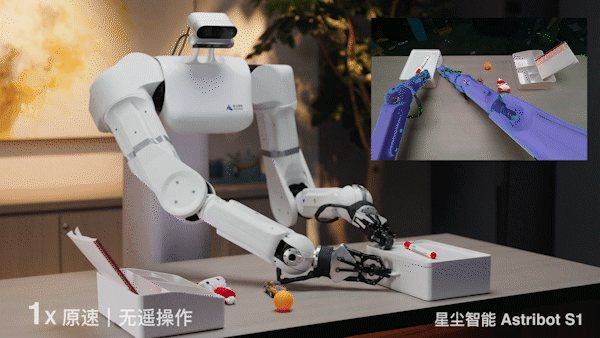 It is worth mentioning that Stardust Intelligence takes safe interaction as the benchmark and adopts an innovative design method centered on force, which makes S1 as safe as a collaborative robot. It can accurately control the interaction strength with the human body, objects and the environment, and will not hurt people, objects or itself during movement.
Lai Jie, the founder of Stardust Intelligence, has 16 years of experience in robot research and development. He has worked in Tencent Robotics Laboratory (employee No. 1), Baidu "Xiaodu Robot" (team leader), Hong Kong Polytechnic University, etc. He has designed many new robots, led the development of wheel-legged robot Ollie at Tencent, and continued to promote the combination of robots and artificial intelligence technology.
В состав команды входят передовые технологические компании, такие как Tencent, Google, UBTECH, Baidu и Huawei, и они имеют опыт решения беспрецедентных научных проблем и преобразования инновационных технологий в коммерческие продукты.
The name of Stardust Intelligence (Astribot) comes from the ancient Latin proverb "Ad astra per aspera", which means "travel through hardships to reach the stardust." Lai Jie explained: "It will take another five to ten years for AI robots to enter thousands of households. Partners with such long-term ambitions are welcome to join us to turn AI robots from dreams into reality."
Наконец, давайте рассмотрим эксплуатационные возможности S1: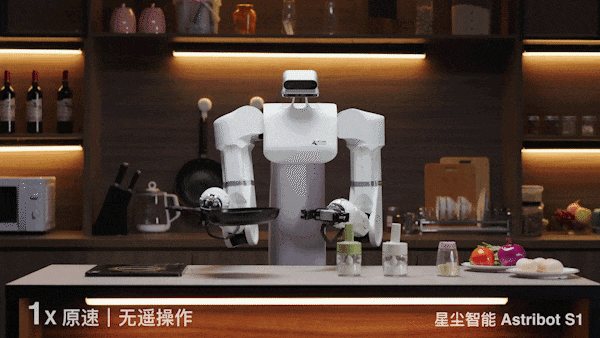
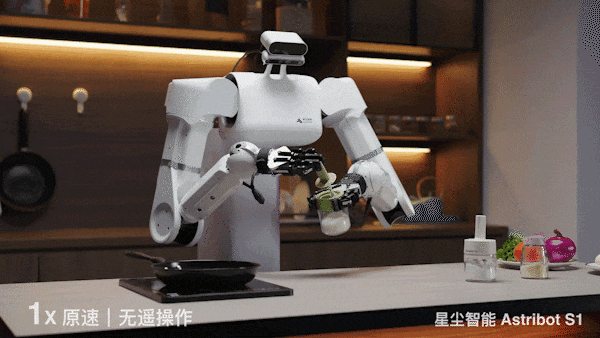
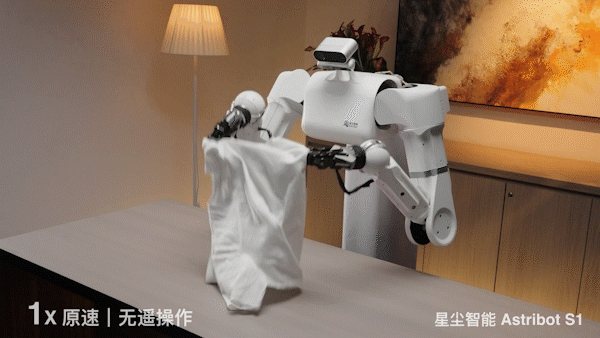
Бытовые роботы;Робот для домашнего обслуживания;Робот с искусственным интеллектом