Terwijl AI versnelt richting de heilige graal van AGI (algemene kunstmatige intelligentie), is de combinatie van grote modellen en robots een onvermijdelijke trend. Decennia lang is de markt voor robots voor één doel verzadigd, en het enorme potentieel van AI-robots voor algemeen gebruik wacht erop om benut te worden.
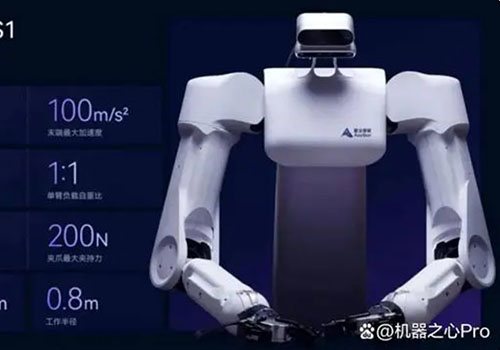
Zojuist demonstreerde Astribot S1, een zelf ontwikkelde AI-robot van Stardust Intelligence, de "sterkste operationele prestaties" onder robots met dezelfde specificatie.
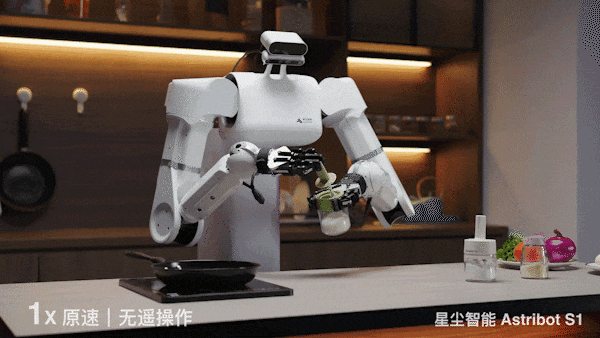
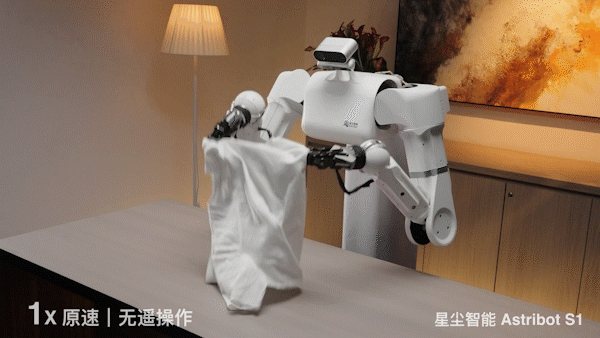
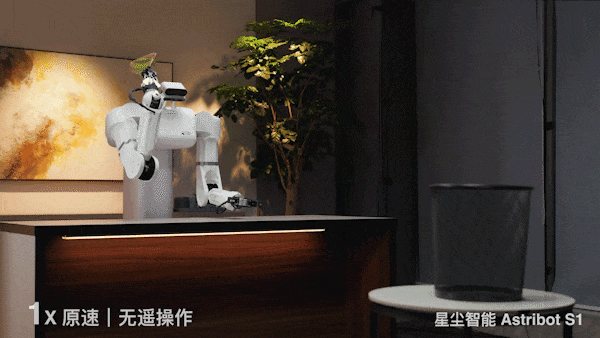
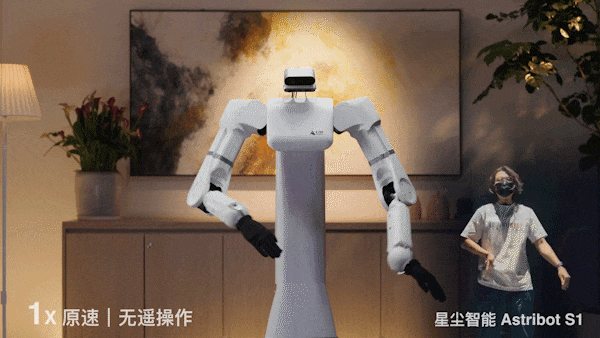
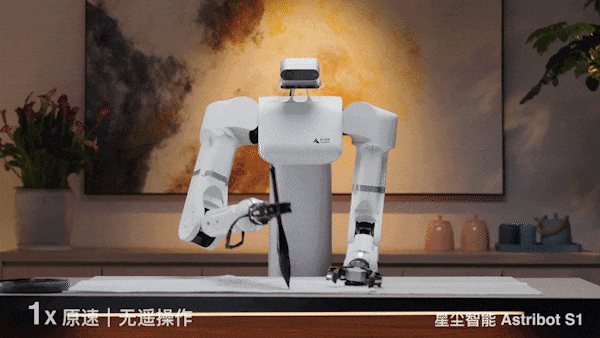
In the unaccelerated 1x speed video (the industry is commonly 3 to 10x speed), the S1 robot demonstrated excellent performance in home and work scenes, completing a series of complex tasks such as folding clothes, sorting items, flipping pots and cooking, vacuuming and cleaning, and competitive cup stacking.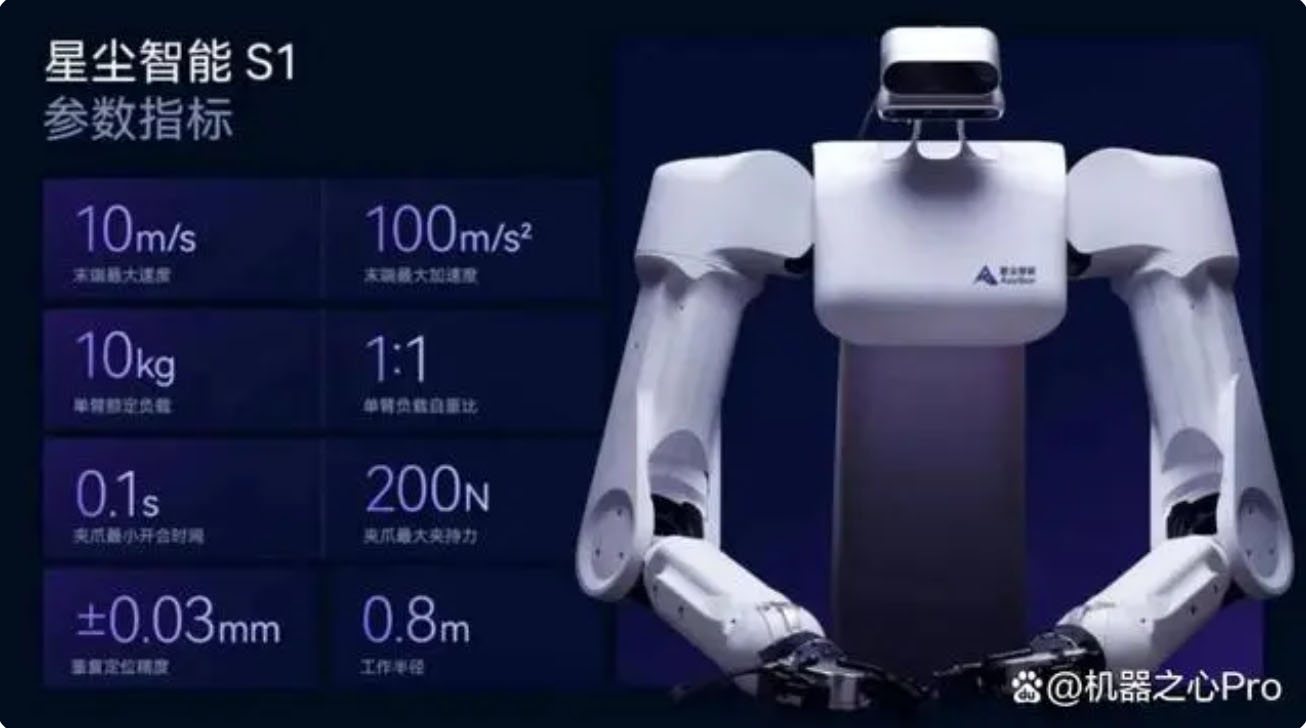 Door middel van imitatieleren kan S1 een verscheidenheid aan complexe taken uitvoeren die nuttig zijn voor mensen met de behendigheid, flexibiliteit en soepelheid die vergelijkbaar zijn met die van een volwassene, waardoor een nieuwe standaard wordt gezet voor AI-robots.
De S1-robot is aangesloten op grootschalige modeltests en zal naar verwachting in 2024 op de markt worden gebracht.
Stardust Intelligence CEO Lai Jie said: "Our goal is to enable billions of people to have AI robot assistants. The new generation of AI robots are "Naturally Yours". They can learn, think and work like humans, use human tools and equipment, help people complete boring, difficult or dangerous tasks, and even adapt to the environment and changes, so as to truly take care of the elderly and children in the family. Such a world will require millions or even billions of robots.
We verwelkomen iedereen om meer eisen te stellen aan S1, zodat de mogelijkheden kunnen groeien van 55%, 85% naar 99,99%, oneindig dicht bij het menselijke niveau."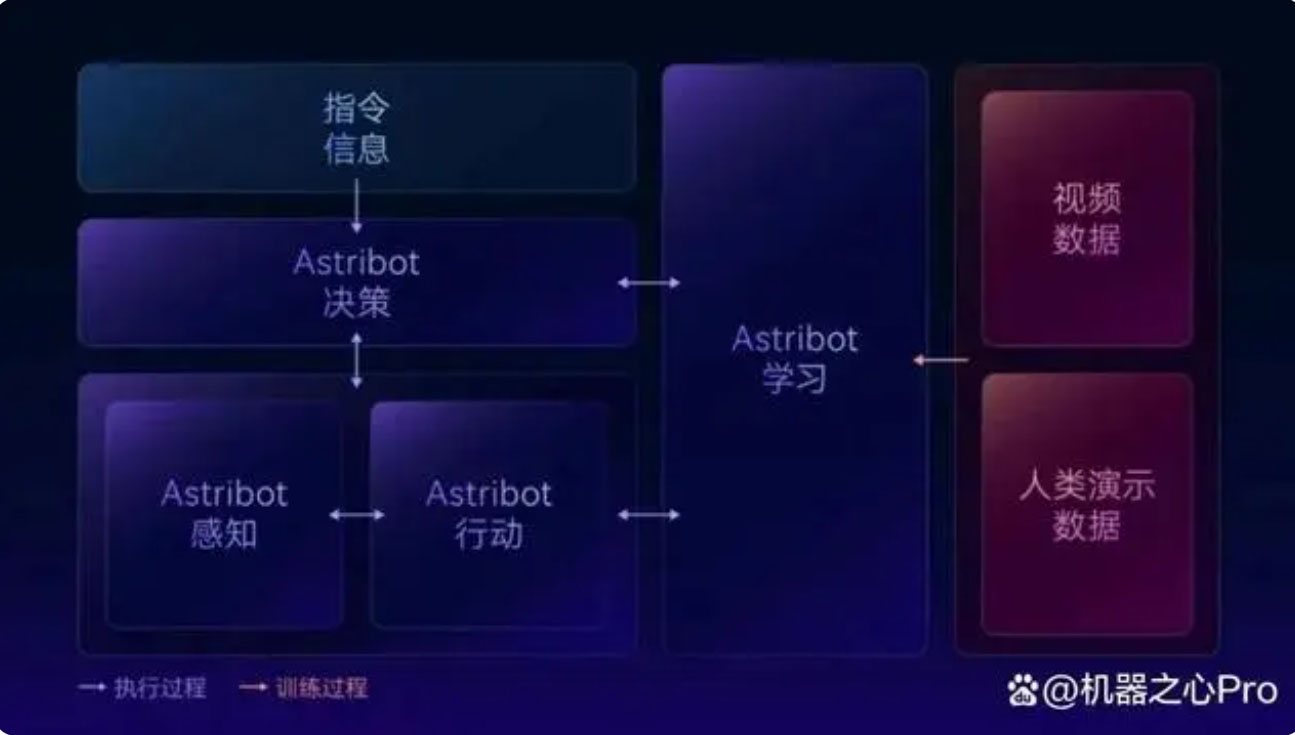 Het is duidelijk dat het R&D-team van Stardust Intelligence een belangrijke doorbraak heeft bereikt in "software- en hardware-samenwerking". De ontwikkeling van S1 duurde een jaar en het heeft zowel een intelligent ‘brein’ (software) als een wendbaar en flexibel ‘lichaam’ (hardware).
In terms of software, it supports a variety of data collection methods such as video, motion capture and remote operation, and can use reinforcement learning, imitation learning and multi-modal large models to complete learning and training. The robot can be upgraded with the software to continuously improve its intelligence and multi-task generalization capabilities.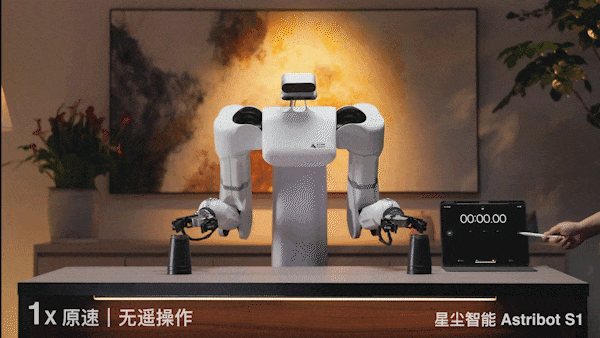
In terms of hardware, the self-developed high-performance motor transmission system has undergone multiple iterations and integrated multiple complex systems such as control, sensing, transmission and drive, providing the S1 robot with agile, flexible and smooth dynamic operation capabilities, close to the speed and precision of industrial robots. In addition, the head, hands and torso are modularly designed and can be flexibly assembled or disassembled according to different needs to improve task adaptability.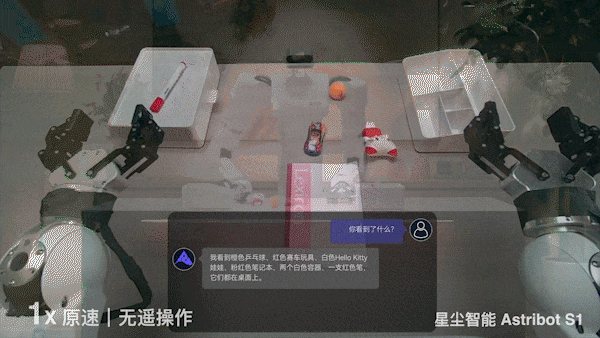
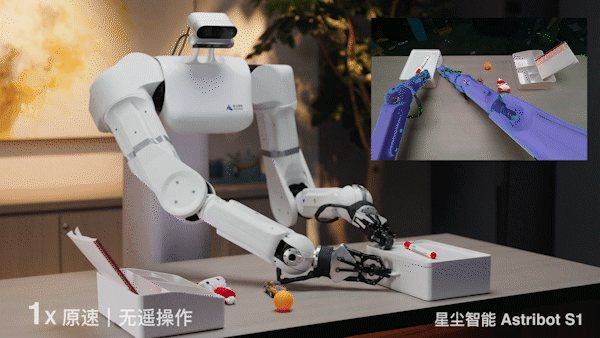 It is worth mentioning that Stardust Intelligence takes safe interaction as the benchmark and adopts an innovative design method centered on force, which makes S1 as safe as a collaborative robot. It can accurately control the interaction strength with the human body, objects and the environment, and will not hurt people, objects or itself during movement.
Lai Jie, the founder of Stardust Intelligence, has 16 years of experience in robot research and development. He has worked in Tencent Robotics Laboratory (employee No. 1), Baidu "Xiaodu Robot" (team leader), Hong Kong Polytechnic University, etc. He has designed many new robots, led the development of wheel-legged robot Ollie at Tencent, and continued to promote the combination of robots and artificial intelligence technology.
De teamachtergrond omvat geavanceerde technologiebedrijven zoals Tencent, Google, UBTECH, Baidu en Huawei, en is ervaren in het oplossen van ongekende wetenschappelijke problemen en het transformeren van innovatieve technologieën in commerciële producten.
The name of Stardust Intelligence (Astribot) comes from the ancient Latin proverb "Ad astra per aspera", which means "travel through hardships to reach the stardust." Lai Jie explained: "It will take another five to ten years for AI robots to enter thousands of households. Partners with such long-term ambitions are welcome to join us to turn AI robots from dreams into reality."
Laten we tot slot de operationele mogelijkheden van S1 bekijken: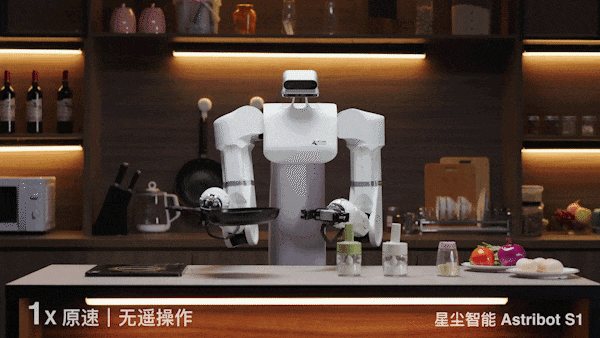
Huishoudrobots;Thuisservicerobot;AI-robot