أفاد الاتحاد الدولي للروبوتات في فرانكفورت في 17 فبراير 2021 أنه في الفترة من 2010 إلى 2019، ارتفعت المبيعات السنوية للروبوتاتالروبوتات الصناعيةتضاعف ثلاث مرات ووصل إجمالي المبيعات العالمية إلى 381000 وحدة. كشف الاتحاد الدولي للروبوتات عن اتجاهات التطوير الخمسة الرئيسية لصناعة الروبوتات التي تعيد تشكيل الصناعة العالمية.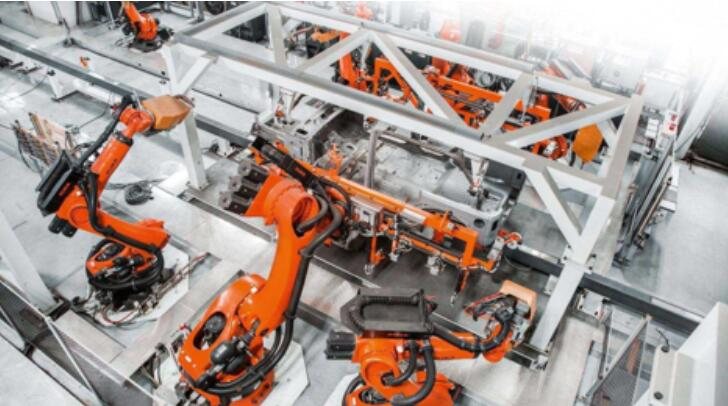 دكتور.
وقالت سوزان بيلر، الأمين العام للاتحاد الدولي للروبوتات: "إن الهدف التنموي المتمثل في الجمع بين الإنتاج التقليدي و"الاستراتيجية الرقمية" يضع صناعة الروبوتات في وضع مفيد للغاية".
واحد. تتعلم الروبوتات مهارات جديدة
Combining artificial intelligence software with vision and other sensing systems enables robots to complete challenging tasks, some tasks that only humans can do in the past, such as disorderly grasping. The new generation of robots is easier to install and program, and can be connected to each other. The technological advancement of communication protocols enables robots to be seamlessly integrated into automation and Industry 4.0 strategies.
ثانياً: تطبيق الروبوتات في المصانع الذكية
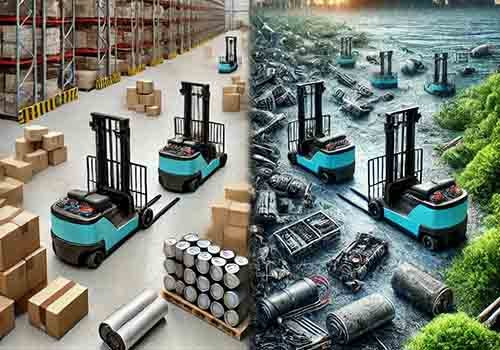
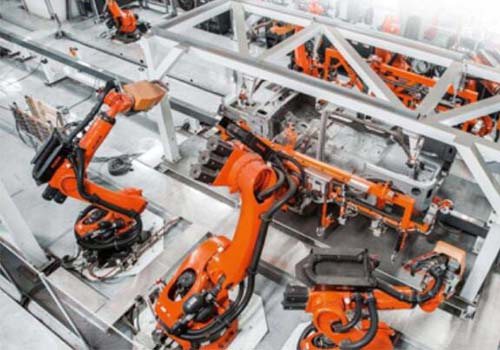
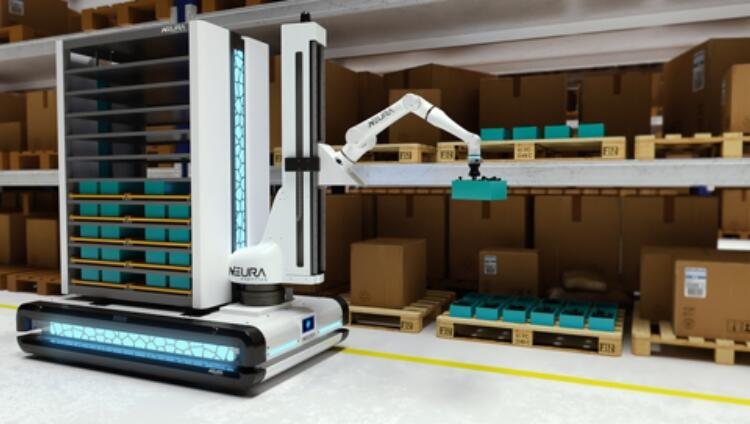
The automotive industry took the lead in applying smart factory solutions, using industrial robots in the entire product assembly line. For more than 100 years, these assembly lines have been dominant in traditional automotive production. The future belongs to the networked collaborative development of robots and autonomous navigation vehicles (AGV) or الروبوتات المتنقلة المستقلة(عمرو).
These mobile robots are equipped with the latest navigation technology and are more flexible than traditional production lines. The unmanned transportation system can be used to transport the car body. The car body is separated from the assembly line process and transferred to the assembly station where personalized accessories can be assembled. When the model is completely changed, only the robot and autonomous mobile robot need to be reprogrammed, instead of dismantling the entire production line.
مع تسارع تطوير محطات العمل التعاونية بين الإنسان والآلة، أفاد بائعو الروبوتات أن الروبوتات تعمل الآن جنبًا إلى جنب مع البشر دون أسوار.
 ثالثًا، تدخل الروبوتات في صناعات تطبيقية جديدة
The breakthrough of interconnection technology has promoted the further application of robots in some manufacturing industries that have only recently begun to transform to automation, such as the food and beverage industry, textile, wood products, and plastic industries. Continuous digital transformation will bring about brand-new business models, and it is easier for manufacturers to achieve diversified production than ever before. In a smart factory, different products can be assembled and produced by the same equipment, and traditional production lines no longer exist.
رابعاً، تعمل الروبوتات على تقليل انبعاثات الكربون
The requirement to reduce carbon emissions has also promoted investment in modern robotics. Modern robots are energy-saving, which directly reduces production energy consumption. Robot production has higher precision, produces less waste and unqualified products, and can increase the resource input-output ratio. In addition, robots can help reduce the production costs of renewable energy devices such as photovoltaics or hydrogen fuel cells.
الخامس. تساعد الروبوتات على استقرار سلسلة التوريد
The outbreak of the new crown epidemic has highlighted the weaknesses of the global supply chain. Manufacturers take this opportunity to rethink the supply layout from a completely different perspective. When increasing productivity through automation, manufacturers have greatly increased the flexibility of production, which is not possible in most high-paying countries such as the European Union, North America, Japan or South Korea. Robotic automation increases productivity, flexibility and safety.
Dr. Susanne Bieller, Secretary General of the International Federation of Robotics, said: “The advancement of robotics technology has promoted the application of robots. The new crown epidemic has not yet begun to trigger any new development trends, but it has accelerated the further application of robots. From this point of view, the new crown The epidemic is the biggest individual factor driving industrial change."