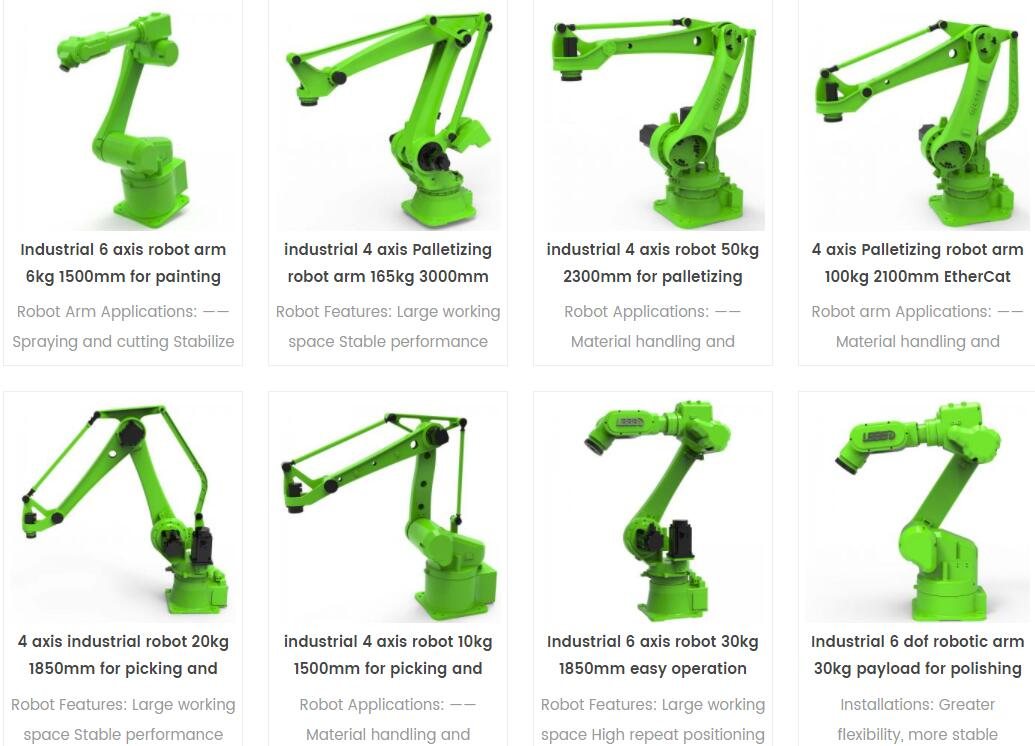
Được thúc đẩy bởi những câu chuyện thành công của sản xuất thông minh và tự động hóa, hàng tồn kho củarobot công nghiệp operating in factories around the world is at the highest level in history. At present, the scope of industrial robots continues to expand, from traditional cage robots that can quickly and accurately handle all payloads, material handling robots to new collaborative robots that can work safely with humans and are fully integrated into the workbench.
Lượng hàng xuất khẩu lần đầu tăng trưởng âm
According to statistics from the International Federation of Robotics (IFR), since 2013, the global industrial robot shipments have continued to increase. In 2017, global shipments of industrial robots exceeded 400,000 units. In 2018, global shipments reached a new high, reaching 422,000 units. In 2019, the global industrial robot shipments declined for the first time. Last year, the shipment was 373,000 units, a year-on-year decrease of 11.61%.
Doanh số bán robot công nghiệp của Trung Quốc đứng đầu thế giới
From the perspective of regional distribution, at present, the global industrial robot demand market is mainly distributed in Asia, Australia, Europe and the Americas. According to statistics from the International Federation of Robotics, in 2019, the shipment of industrial robots in Asia and Australia was 245,000 units, accounting for 65.68% of the total global sales, and the scale far surpassed Europe and the Americas; the sales volume of industrial robots in Europe was 72,000 units, accounting for The ratio is 19.30%; the sales volume of industrial robots in the Americas is 48,000 units, accounting for 12.87%.
In terms of specific countries and regions, in 2019, the total sales volume of the top ten regions of global industrial robot sales was 305,200 units, accounting for 81.8% of total sales. Among them, the sales volume of industrial robots in mainland China was 140,500 units, ranking first in the world. ; Japan and the United States closely with sales of 49,900 units and 33,300 units respectively.
Nhu cầu xử lý robot và lĩnh vực ô tô vẫn dẫn đầu
From the perspective of application industries, the automobile and electrical and electronic equipment manufacturing industries are the main application areas of industrial robots. According to statistics from the International Federation of Robotics, in 2019, the global sales of industrial robots in the automotive industry was 105,000 units, ranking first; the sales of industrial robots in the electrical and electronic equipment and equipment manufacturing industry was 88,000 units, second only to the sales of industrial robots in the automotive sector.
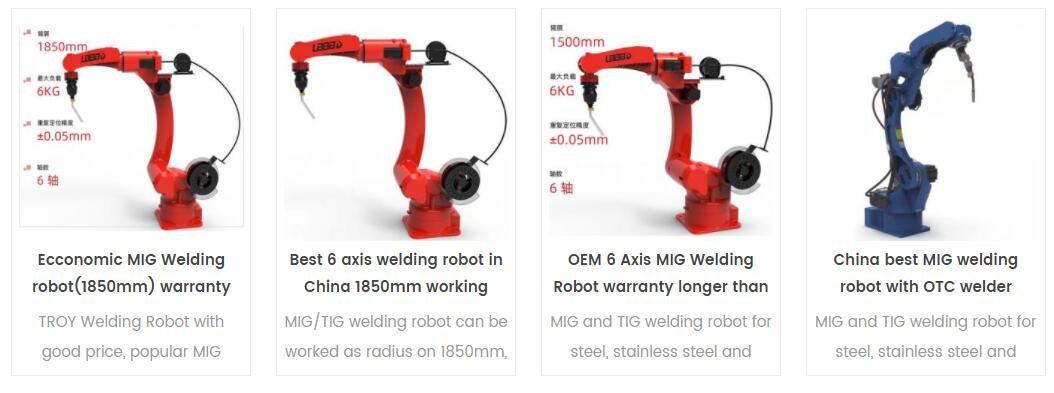
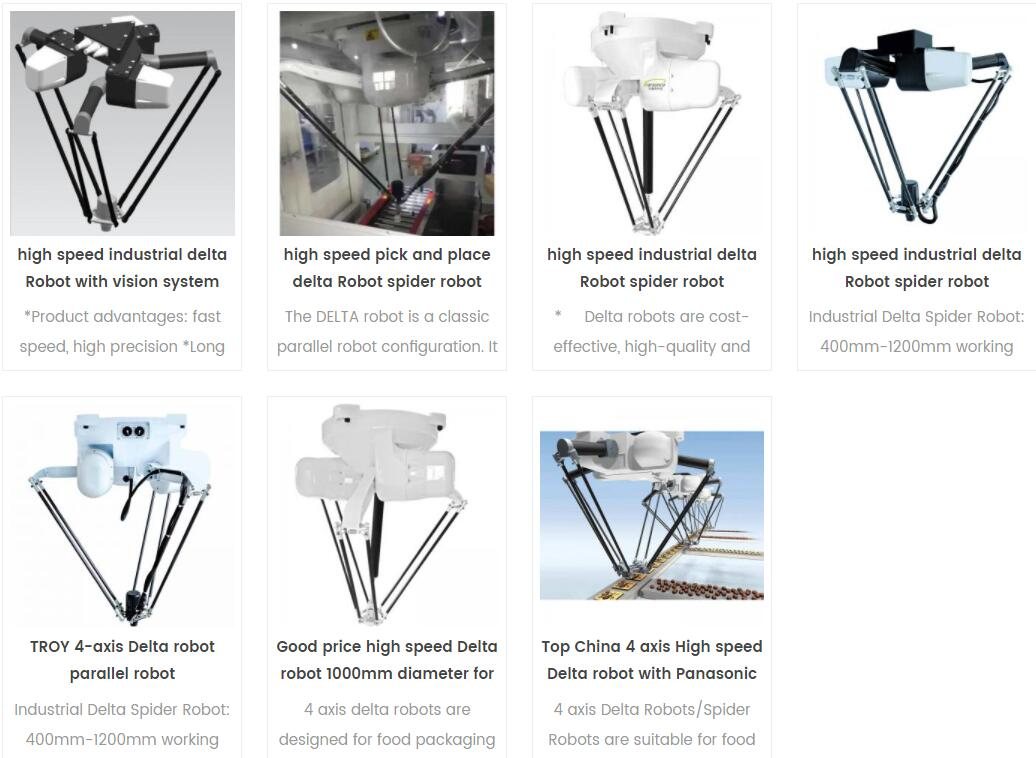
Robot công nghiệp có thể được chia đại khái thành robot xử lý, robot hàn, robot lắp ráp, robot phòng sạch và các loại khác theo chức năng của chúng. Nhìn chung, hiện nay, việc xử lý và hàn vẫn là những công dụng chính của robot công nghiệp.
According to statistics from the International Federation of Robotics, in 2019, global handling and welding robots are still two types of good sales. Among them, the sales of handling robots are 173,000 units, the sales of welding robots are 75,000, and the sales of other types of industrial robots are both Below 40,000 units.
Sự hợp tác giữa con người và máy móc có một tương lai tươi sáng
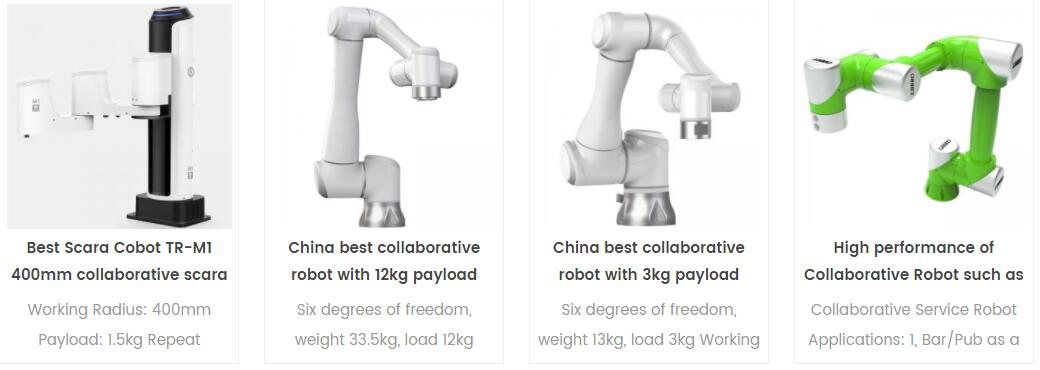
In recent years, while countries are developing traditional industrial robots, the adoption of human-machine collaboration is on the rise. In 2019, the installation of collaborative robots continued to grow, reaching 18,000 units, an increase of 11% year-on-year. This dynamic sales performance is in sharp contrast with the overall trend of traditional industrial robots in 2019. As more and more suppliers provide collaborative robots and the scope of application becomes larger and larger, the market share of 373,000 industrial robots installed in 2019 reached 4.8%.
Mặc dù thị trường này đang phát triển nhanh chóng nhưng nó vẫn còn ở giai đoạn sơ khai.