Mark hammered the last tent stake into the dirt, looked up, and wiped the sweat from his forehead. A California summer night should bring cool breezes and starry skies, but all he could hear was the dense "buzz" around his ears — a swarm of mosquitoes descending like miniature bombers on him, his wife, and their baby. Within ten minutes, over a dozen red welts swelled on the baby's calves, and the infant wailed inconsolably. Mark grabbed an electric fly swatter and swung frantically until his arms ached, but the mosquitoes only grew thicker. "It's like hosting an all-you-can-eat buffet for mosquitoes!" he later joked bitterly in a video, the camera panning over mosquito corpses and a smoking swatter.
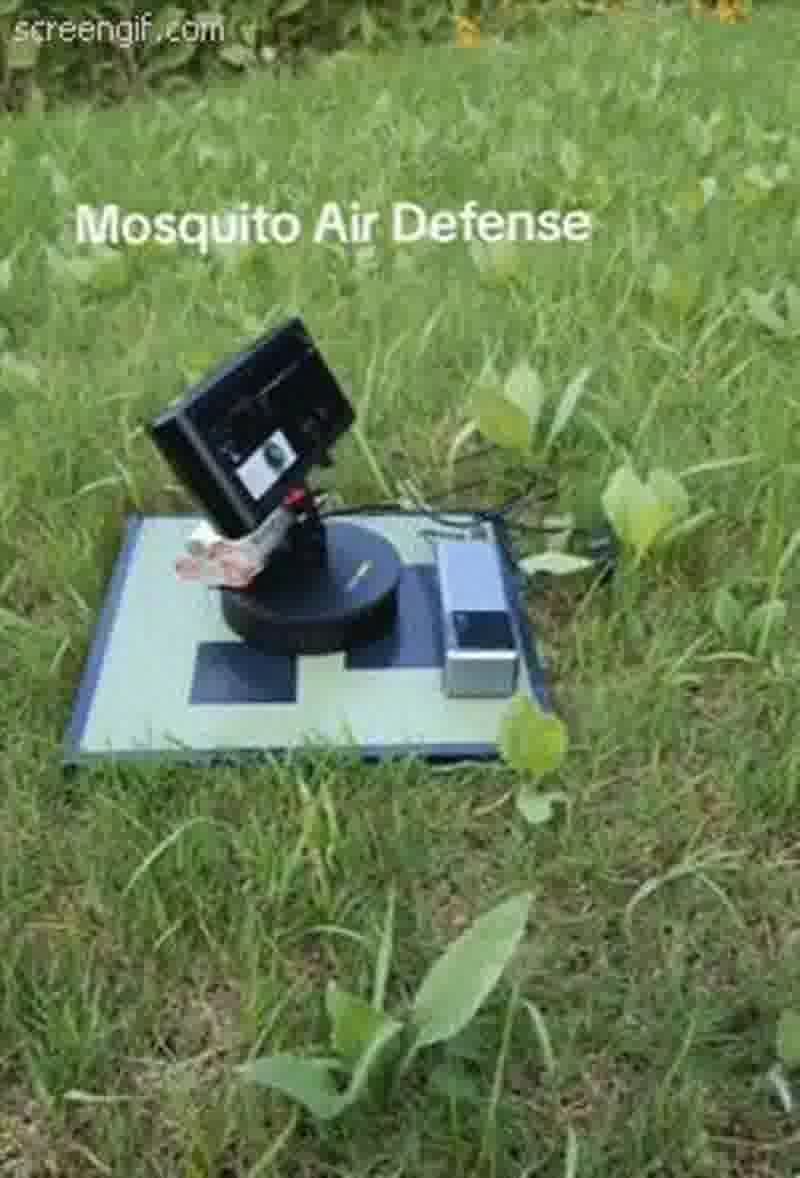
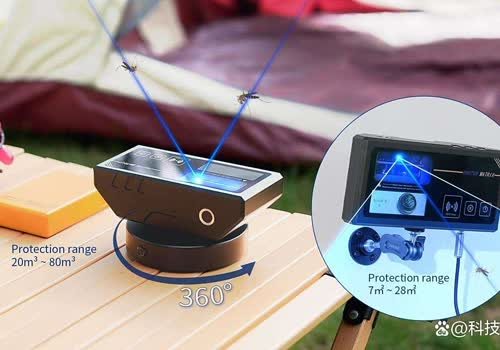
But three days later, Mark's camping video took a dramatic turn: in the dead of a torrential downpour, a palm-sized device stood silently outside the tent, green laser beams flickering like phantoms through the rain. High-speed slow-motion footage revealed that the moment a mosquito came within three meters of the device, a red beam precisely targeted and vaporized it in an instant. The sound of rain, thunder, and the laser's "pew-pew" blended together like a miniature interstellar war. "Two thousand per minute!" Mark exclaimed, pointing at the counter on his phone app. "Even a rainstorm can't stop this hack."
อุปกรณ์นี้ - เรียกว่า "Mosquito Terminator" โดย Silicon Valley geeks - เรียกว่า Photonmatrix และกำลังฉีกผ่านแพลตฟอร์มการระดมทุนด้วยอัตราการฆ่ายุง 30 ตัวต่อวินาที Its secret lies in two core weapons: military-grade LiDAR and a galvanometer laser. When activated, the LiDAR scans the surrounding space hundreds of times per second. Once a mosquito enters its six-meter detection radius, the radar completes 3D positioning within 3 milliseconds — 100 times faster than a human blink. Even more impressive, it can distinguish male from female mosquitoes by wingbeat frequency (only females suck blood), and can even identify specific species such as the "Asian tiger mosquito."
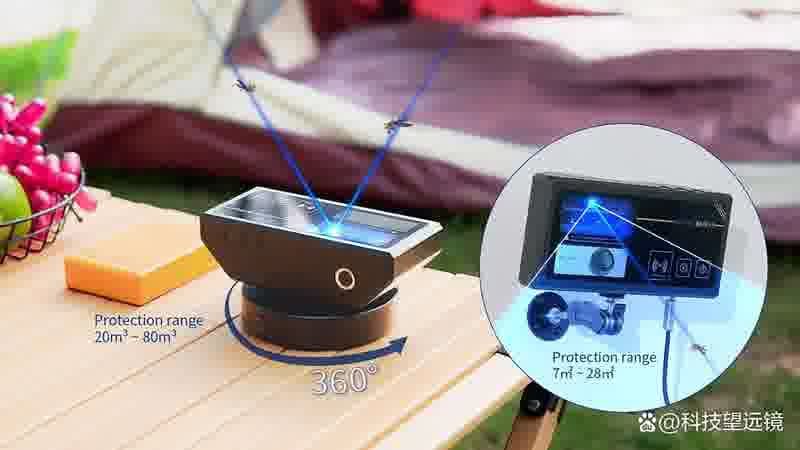
Once the target is locked, the galvanometer laser begins its harvest. This system houses two fingernail-sized mirrors that pivot thousands of times per second under electric current control. When the radar transmits the mosquito's coordinates, the mirrors instantly deflect, refracting a low-power laser beam onto the insect. Within 0.03 seconds, the laser's heat boils and vaporizes the water inside the mosquito's body, leaving only a wisp of smoke and a burnt smell. The entire process is so fast that mosquitoes — which beat their wings 600 times per second — cannot execute their zigzag evasive maneuvers; the laser's response speed is 20,000 times faster.
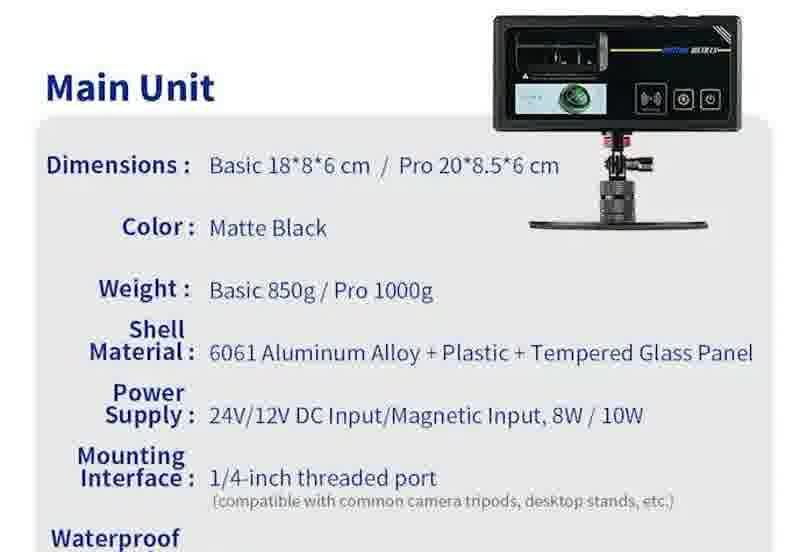
Traditional mosquito control methods look primitive next to this machine. Tests by the Jiangsu Quality Inspection Institute showed that 40% of electric mosquito traps on the market pose electric shock risks: high-voltage grids are exposed where children's fingers can easily reach them; grounding screws are fastened directly into plastic components, risking leakage if insulation fails. Chemical repellents carry even more hidden dangers. A 2025 paper in the journal ธรรมชาติรายงานว่ายาไล่ยุงไฟฟ้าปล่อยสารไพรีทรอยด์มากกว่า 10,000 ตันทั่วโลกในแต่ละปี ปนเปื้อนแหล่งน้ำและกระตุ้นให้เกิดโรคหอบหืดในเด็ก ในทางตรงกันข้าม โฟตอนแมทริกซ์นั้นใช้สารเคมีเป็นศูนย์ ทำงานได้นาน 16 ชั่วโมงด้วยพาวเวอร์แบงค์ และทำงานต่อไปท่ามกลางสายฝนที่ตกหนัก
What is truly driving families overseas to order in droves is its "surgical-grade" safety. Engineers conducted a brutal comparison test: firing the laser at a raw egg — mosquito corpses left black spots on the shell, but the inner membrane remained completely intact. The device is equipped with millimeter-wave radar that immediately ceases fire the moment a human body enters its range. It's backed by EU Class 1 safety certification (eye-safe), and automatically cuts power at 0.5 centimeters from skin contact. However, the internet's wildest concern inevitably surfaced: "What if a mosquito happens to be resting on my eyeball?" The developers have yet to respond to this lethal hypothetical.
ข้อมูลการระดมทุนยืนยันการแพร่กระจายของไวรัส บน IndieGogo จากเป้าหมายเดิมที่ 20,000 ดอลลาร์ มันเพิ่มขึ้นเป็น 2,000,000 ดอลลาร์ภายในสามชั่วโมง — อัตราความสำเร็จเกิน 1,300%"กองทัพแม่" กลายเป็นแรงผลักดันหลัก ในเสี่ยวหงชู (สมุดสีแดงเล่มเล็ก) หัวข้อเรื่องยุงลายเลเซอร์มีโพสต์วิจารณ์มากกว่า 5,000 โพสต์มารดาคนหนึ่งเปรียบเทียบแขนของทารกโดยเปรียบเทียบกัน โดยแขนซ้ายที่ทาด้วยครีมไล่แมลงยังคงมีตุ่มสีแดงอยู่ แขนขวาที่วางอยู่ภายในโซนป้องกันเลเซอร์ยังคงไร้ที่ติ "แม้แต่ยุงก็ยังมีปัญหาในการเลือก!" เธอพูดติดตลก
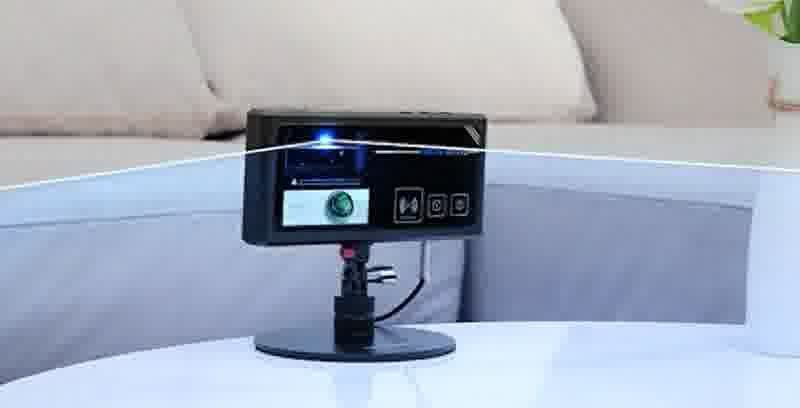
Middle-class families are shelling out for this "mosquito-free freedom" without hesitation. The basic version at $498 (approximately ¥3,600) covers a three-meter radius, while the professional version at $698 covers up to six meters. Compared to traditional window screens at ¥100–500 per panel, that money could buy ten screens. But users are paying for the lifestyle upgrade: Shanghai Disneyland has integrated the device into its park-wide mosquito defense system, and the Paris municipal government has procured and deployed units along the Seine. Barbecue stall owners have discovered a new use: "Mosquitoes hitting the laser look like fireworks," while insomniacs rejoice: "Finally, I can sleep without inhaling toxic fumes."
Of course, behind the frenzy lie hard limitations. Fast-flying houseflies (exceeding 1 m/s) may evade detection; if a mosquito lands on a TV screen, the laser might burn out pixels along with the insect. An even bigger reality check is the price barrier: the professional edition at nearly ¥5,000 costs more than a Vietnamese worker's monthly salary. Yet the comments on the crowdfunding page reveal the user mindset: "Buying it is like buying a Dyson hairdryer — the price isn't its flaw, it's mine."
ขณะนี้ หน่วย Photonmatrix ชุดใหม่กำลังจัดส่งจากโรงงานในเซินเจิ้นไปทั่วโลกขณะที่เครื่องหมายแห่งโลกนั่งอยู่ใต้เต็นท์ปลอดยุงและจ้องมองดูดวงดาว สงครามต่อต้านยุงที่มีมานานนับพันปีของมนุษยชาติกำลังถูกเขียนใหม่ด้วยลำแสงเลเซอร์