Zoals veel wapens en uitrusting is de geschiedenis van het militaire exoskelet vol ontberingen en pijn. In 1959 beschreven de "Starship Paratroopers" van Robert Heinlein de militaire krachtpantsering al in meer detail.
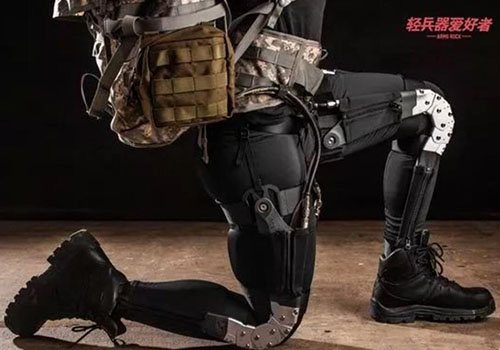
Although there were a few patents and experiments in the mid-20th century, researchers quickly realized that it would take a long time for this technology to become practical. Relatively controlled environments, such as hospitals, rehabilitation centers, and factories, are more suitable for the development of immature wearable robot technology.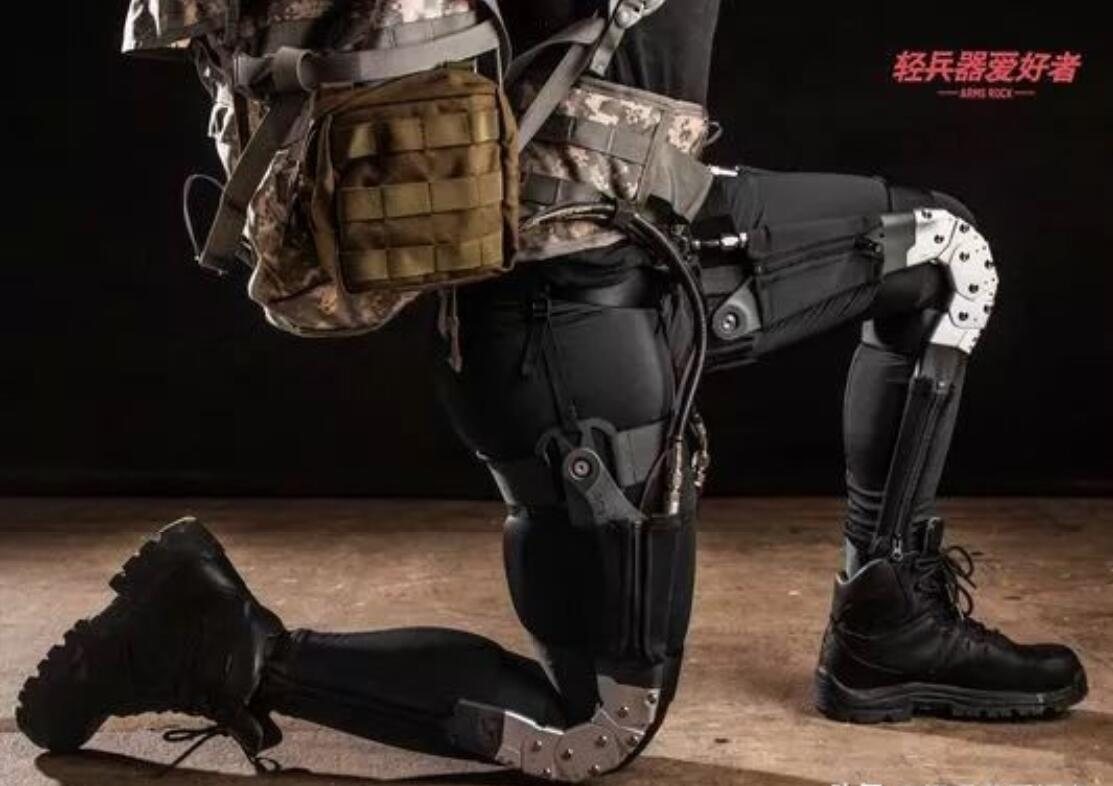 DARPA Net Warrior ProjectIn de jaren 2010 begon het leger eindelijk weer aandacht aan deze technologie te besteden en lanceerde het een aantal grootschalige onderzoeks- en ontwikkelingsprojecten.
In de loop der jaren zijn militaire exoskeletten kleiner, lichter en gespecialiseerder geworden, en er zijn veel verschillende typen op de markt gebracht. Dit artikel introduceert kort de typische producten van verschillende categorieën.
1. Exoskelet voor het hele lichaam
They are wearable robots that cover the lower limbs of the arms and are the most common in science fiction. There are several prototype projects under development. These prototype exoskeletons have similar shortcomings, that is, they are too large, too many actuators, and difficult to supply energy and control. In many cases, the automatic response is too slow, and it is more like the user is walking with the exoskeleton. Therefore, many whole-body exoskeleton projects have been "divided into two" and become independent or modular lower limb and upper body wearable robots.
Typische militaire exoskeletten voor het hele lichaam die de prototypefase ingaan, zijn de HULC van Lockheed Martin en de XSO en XSO2 van Thor.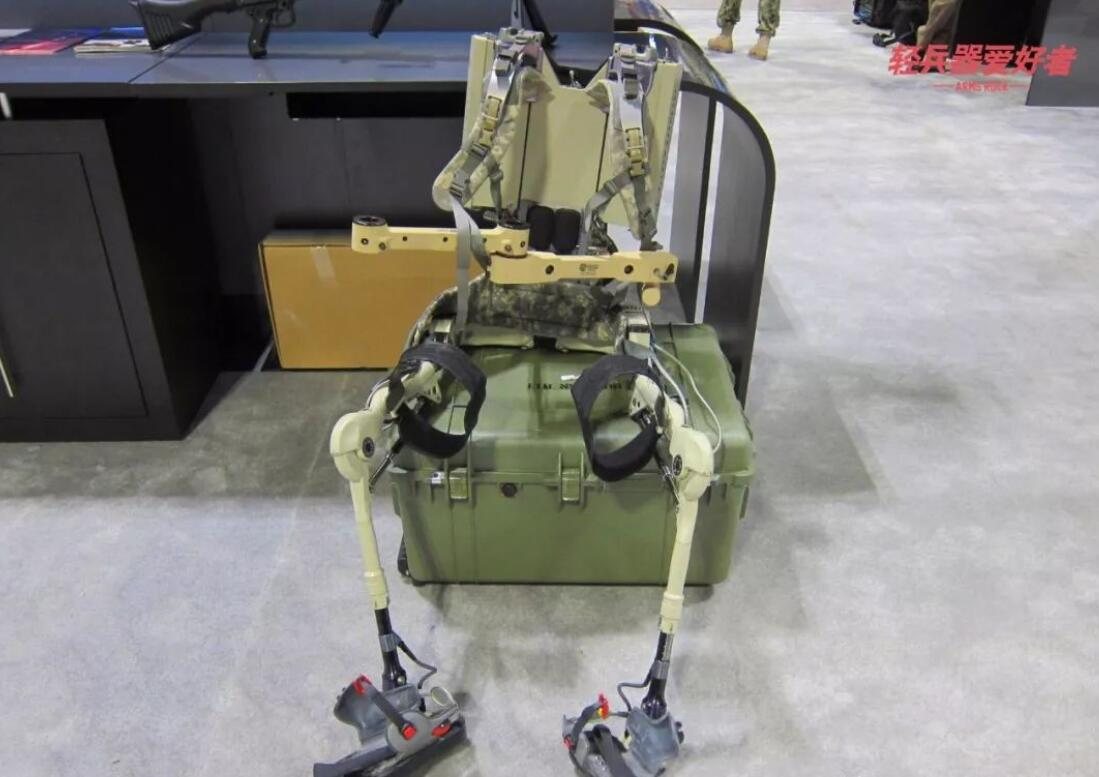
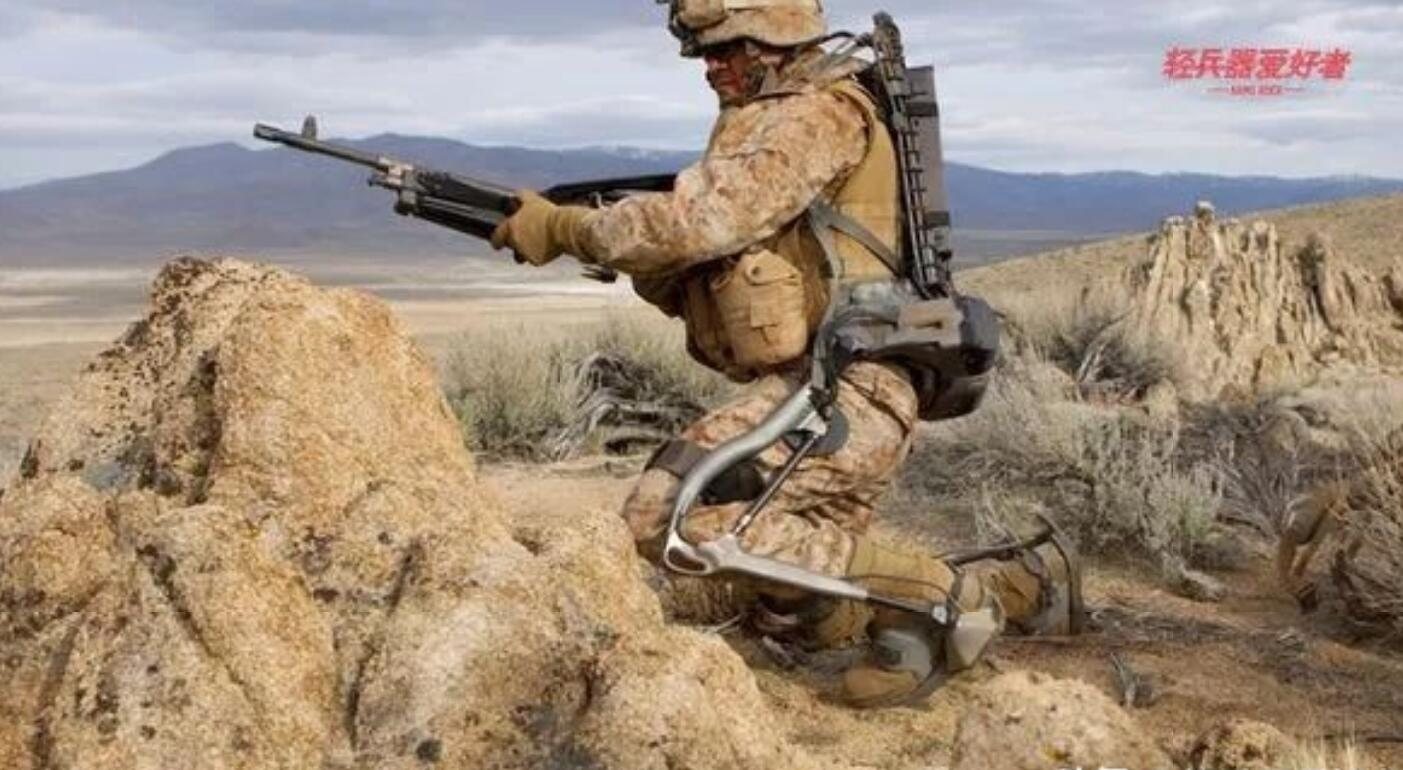 HULC van Lockheed Martin
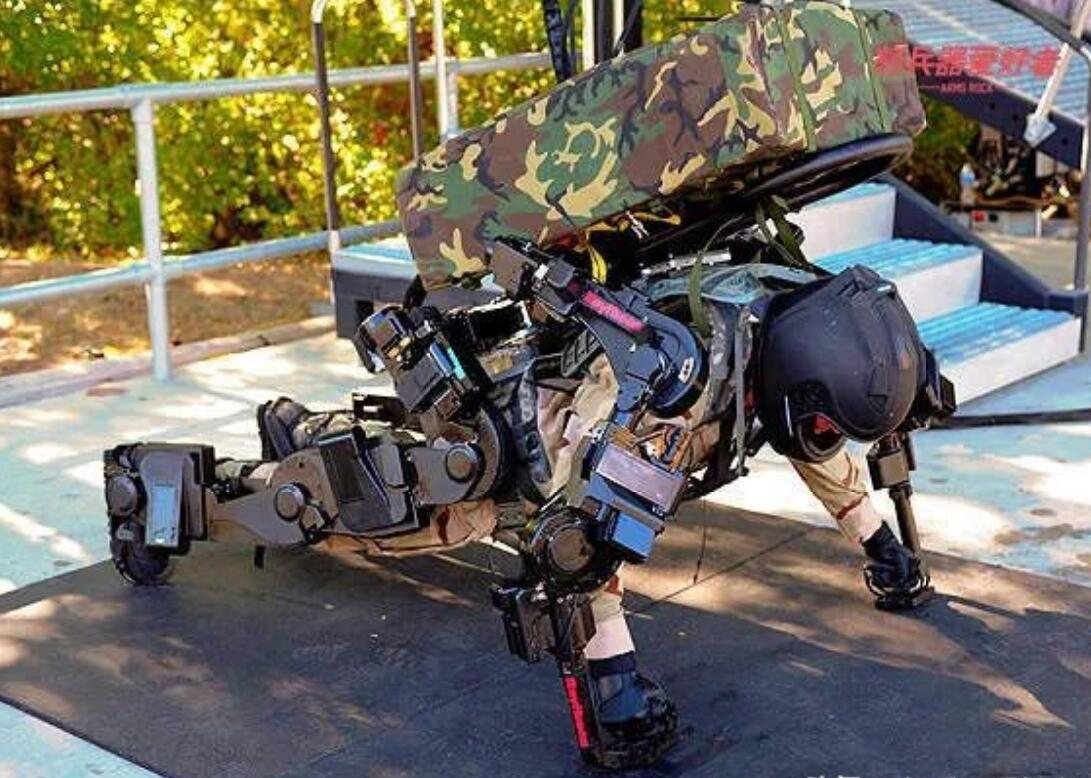 Thors XSO22. Krachtig exoskelet van de onderste ledematen
The basic function of the lower limb power exoskeleton is to assist the leg to carry the load. If the component extends to the ground, it can also transmit the load. Since military exoskeleton must be flexible and highly compatible, the carrying capacity is always limited without affecting the speed of movement. Such devices are generally made of metal frames, or made entirely of soft materials, and their main function is to assist the leg movement and reduce the metabolism of exercise.
Met andere woorden: soldaten die een exoskelet en uitrusting dragen, zouden minder energie moeten verbruiken dan soldaten die alleen uitrusting dragen.
Er zijn veel ontwikkelaars van dit type exoskelet. Typische producten zijn onder meer de netkrijger van DARPA en het kinetische gevechtspak van B-Temia.
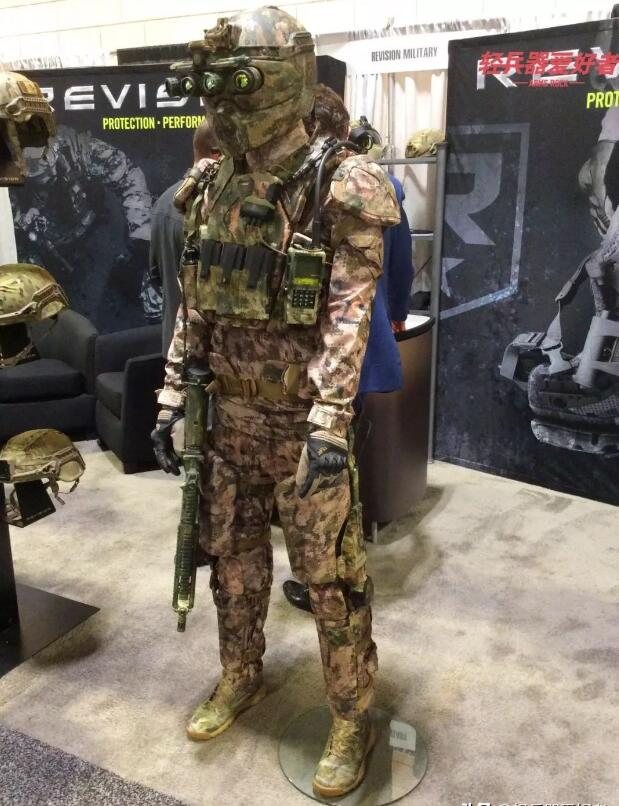
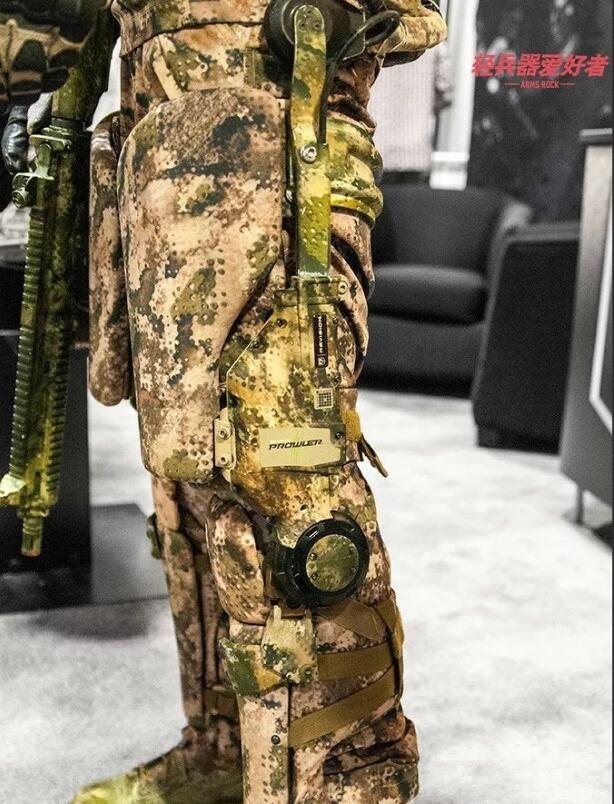 B-Temia's kinetische gevechtsoutfit3. Militair passief exoskelet
Passief exoskelet heeft geen actuatoren, batterijen of elektronica. Het wordt alleen door de drager aangedreven en ziet eruit als een dood gewicht, maar heeft over het algemeen verschillende speciale functies.
For example, the "Marine Amulet" of 20KTS+ is a light and small buffer system that can absorb the impact of soldiers on small fast patrol boats. The Australian Department of Defense Science and Technology has developed an exoskeleton that uses steel cables to transfer part of the weight of a soldier’s heavy backpack directly to the ground.
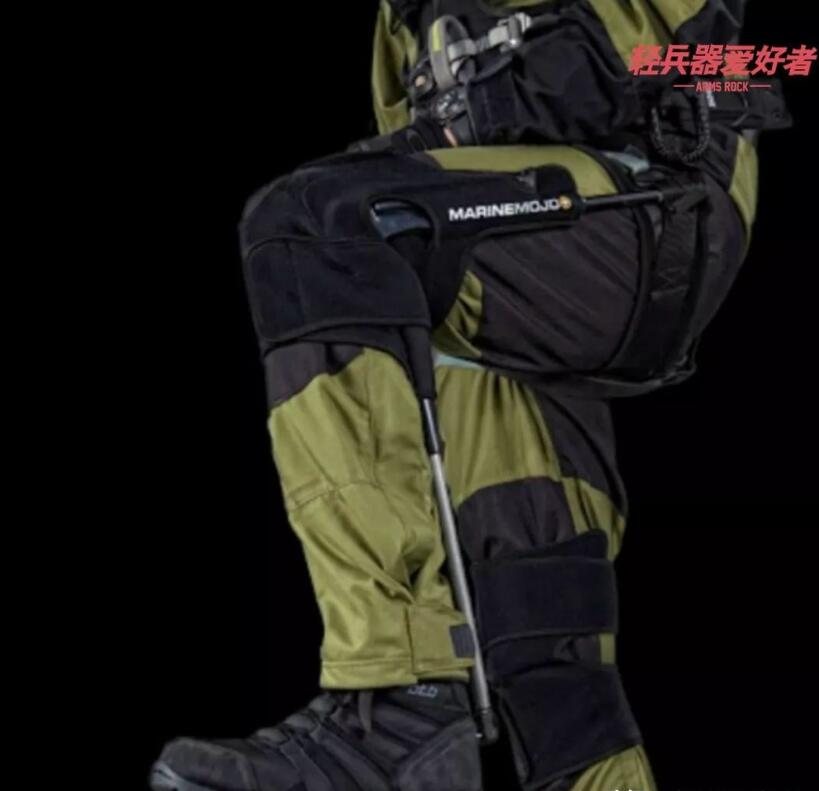
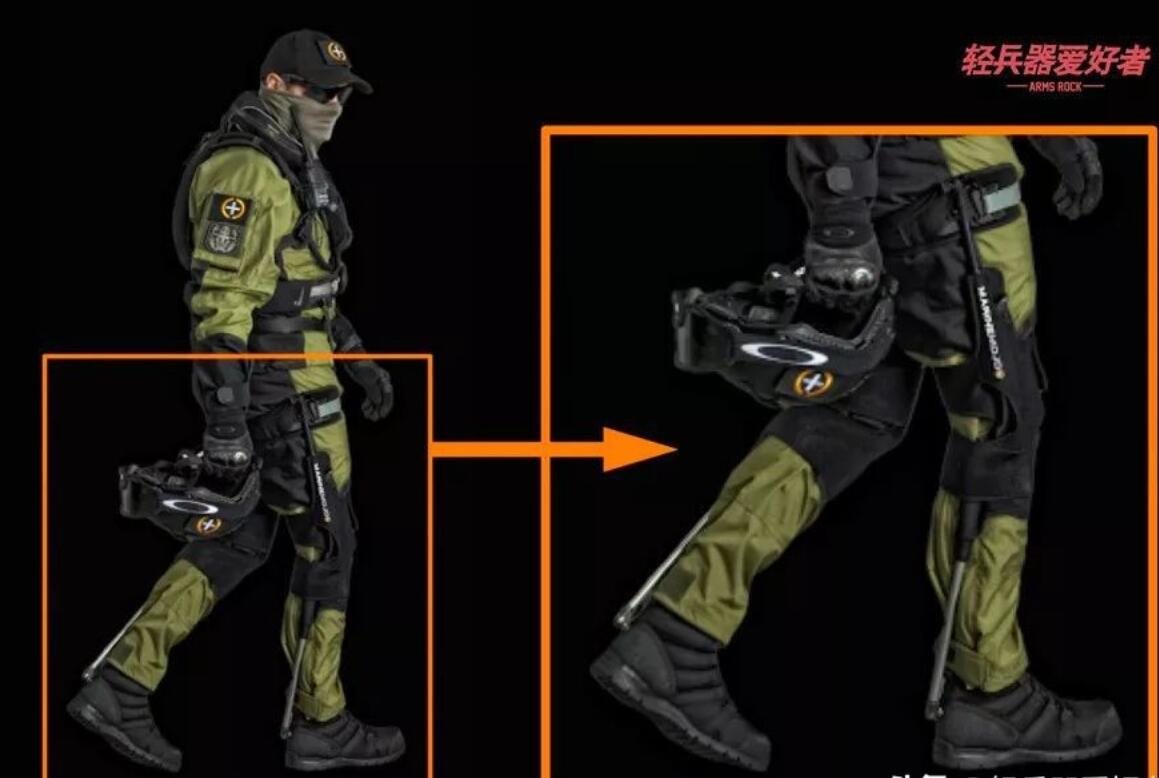 20KTS+ "Marine Amulet"In dit opzicht is het Russische leger het verst gegaan. In 2017 gebruikten de Russische ingenieurs gestationeerd in Palmyra, Syrië, een passief exoskelet genaamd "K2" om hen te helpen omgaan met niet-geëxplodeerde munitie, landmijnen en zelfgemaakte explosieven.
Although the dead weight of passive exoskeleton is detrimental to the mobility of soldiers, it happens that engineers are the kind of arms that do not particularly need mobility, but are often too heavily equipped. As a result, Russia did not use particularly high technology, and became the first country to install and use exoskeletons in actual combat.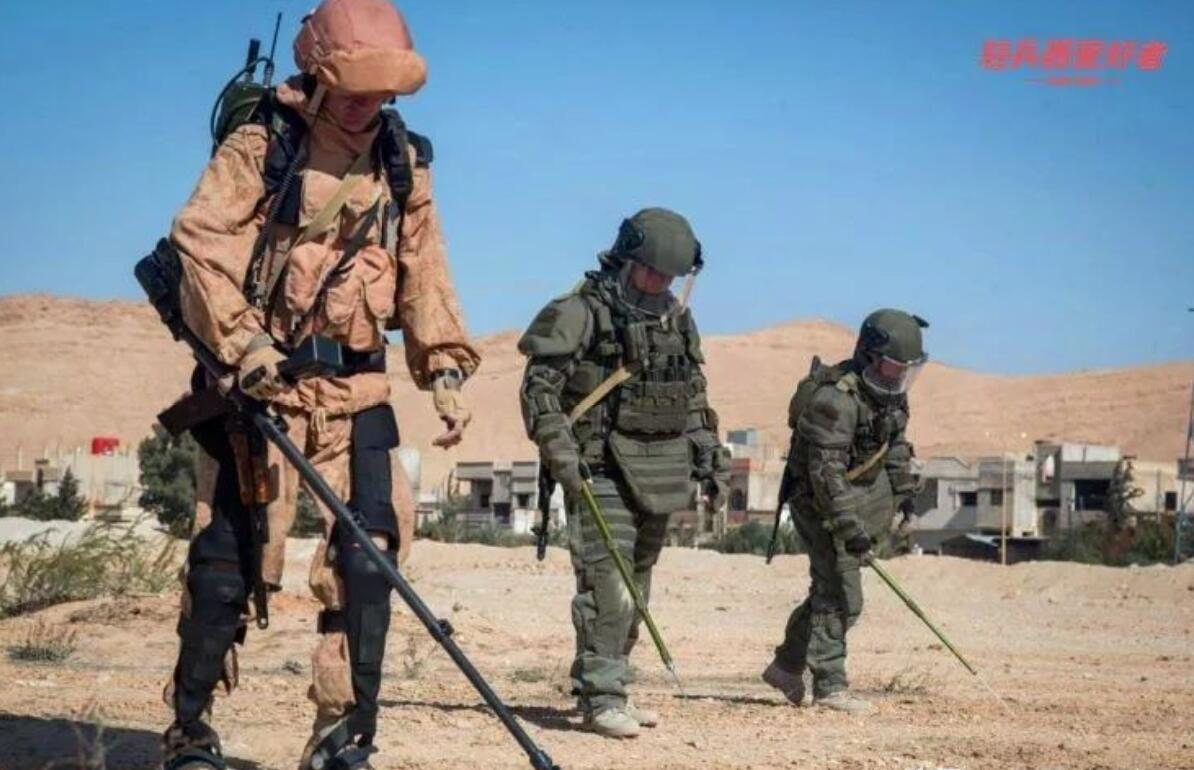 Russische militaire ingenieurs gebruiken het K2-exoskelet in Syrië4.
Exoskelet voor energieconversie
Energy conversion exoskeleton collects energy through the actions of soldiers and converts it into electrical energy to charge batteries or directly power equipment. Part of the exoskeleton of the lower limbs can also be converted into energy conversion exoskeletons, but this will increase its weight.
Meestal wordt het energieconversieapparaat op de kniestructuur geïnstalleerd.
When the heel hits the ground during stepping, a corresponding element is compressed, which converts a small amount of energy. In theory, if a soldier wants to deploy for 72 hours, he will provide electricity for all equipment during the entire period. If you use the battery, it is about 17 pounds, and there are equipment to carry these batteries. If the energy-supplying exoskeleton is made light enough and small enough, it can gain advantages over batteries.
Het gênante is echter dat het exoskelet voor energieconversie dat nu wordt ontwikkeld vaak oplaadvoordelen met zich meebrengt en de kosten van het dragen ervan niet kan compenseren.
Een typisch voorbeeld van dit type exoskeletapparaat is de "loopkracht", ontwikkeld door de bionische kracht onder de investering van het Amerikaanse leger.
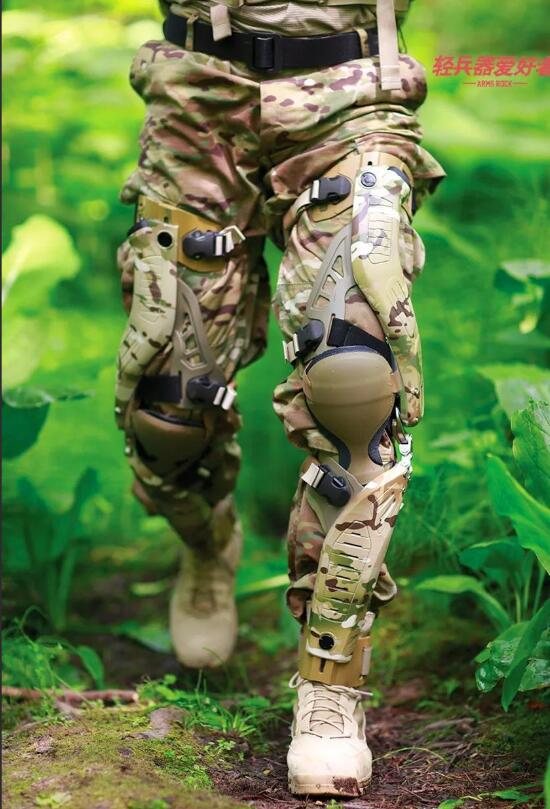 De ‘loopkracht’ van bionische kracht5. Militair vast exoskelet
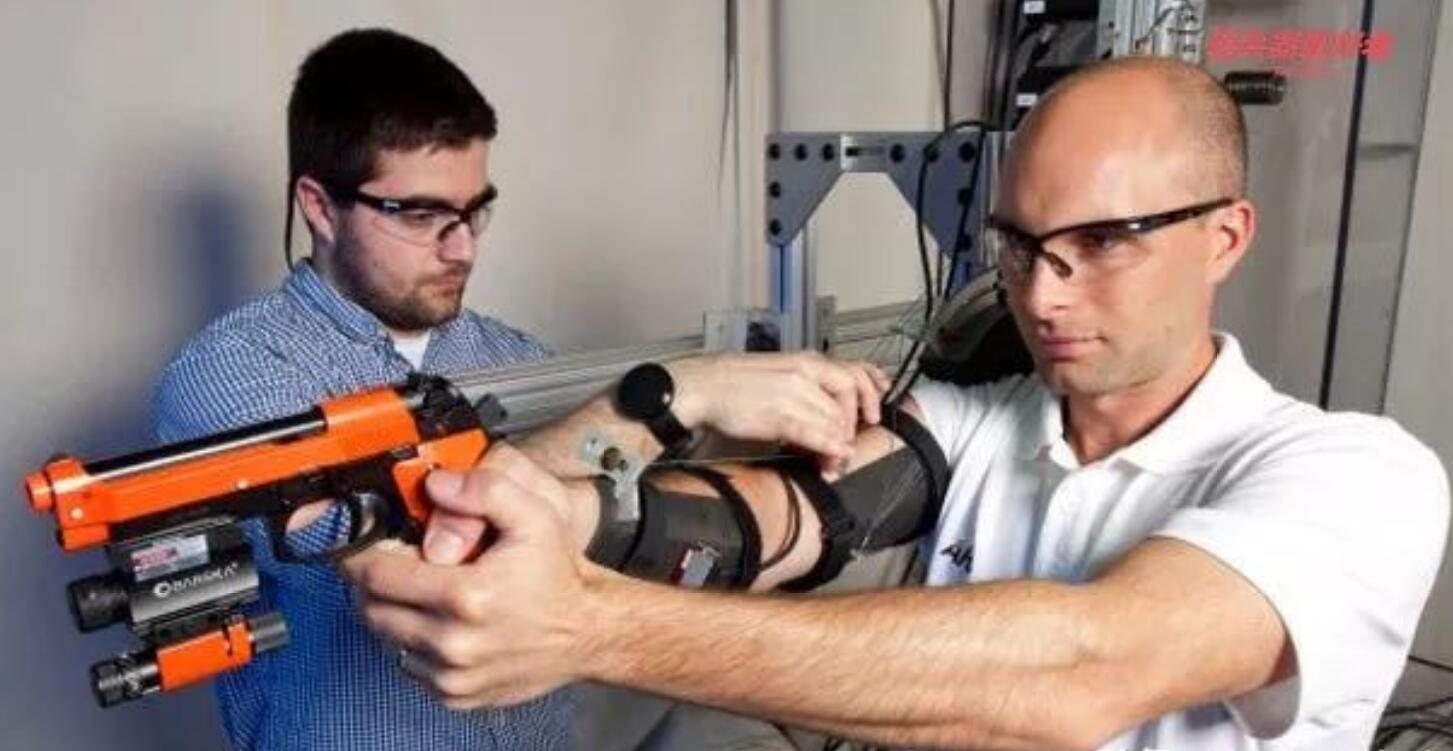
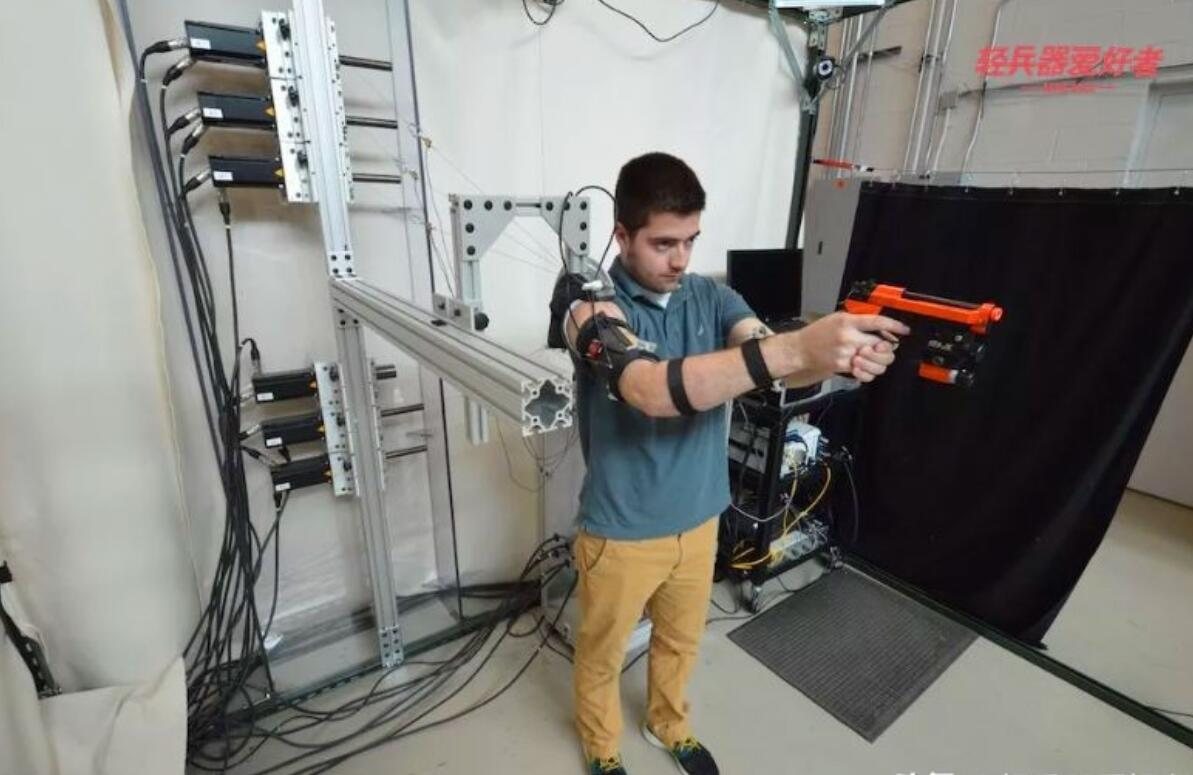
Hoewel het contra-intuïtief klinkt, is er inderdaad een militair vast exoskelet in ontwikkeling. Dit is MAXFAS: het vuurwapen wordt stabiel op het exoskelet van de draagbare arm gericht.
Based on previous research on vibration elimination exoskeleton, Dan Becker conjectured whether similar techniques can be used to further reduce the natural movement and vibration of the hand. His preliminary research results are very good, and the test subjects can improve the accuracy of pistol shooting after training on his fixed exoskeleton.