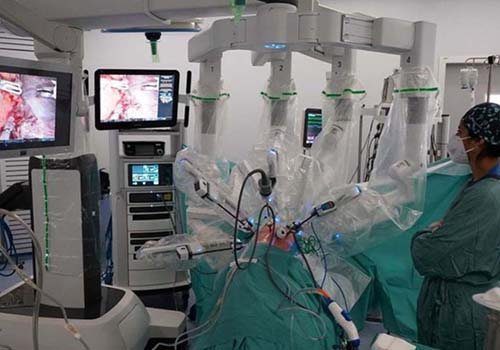
スペインの病院は月曜日、画期的な新技術を使って肺移植を行った。ロボットと骨を切らなくなった新しいチャンネルを使用し、外科医は初めて切開範囲を軟組織に限定することができた。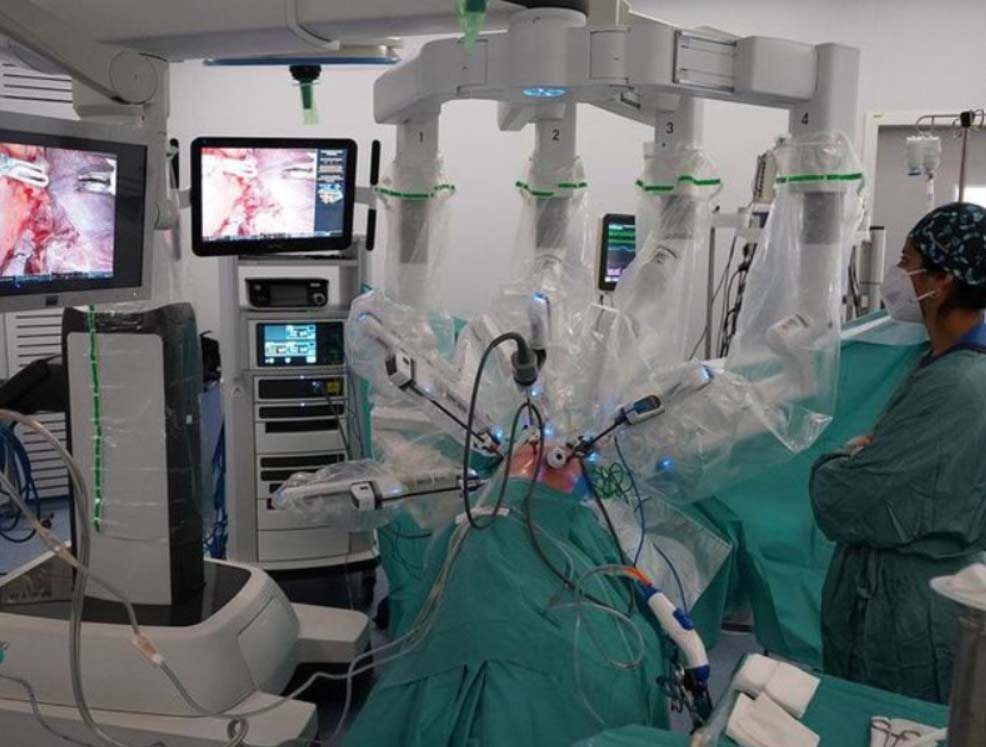 Surgeons at Barcelona's Valld'Hebron Hospital used a four-armed robot called Da Vinci to cut through a small section of the patient's skin, fat and muscle to remove the damaged lung and pass it under the breastbone, above the diaphragm An eight-centimeter (three-inch) incision is made to insert a new lung.
従来の方法では30cmの切開が必要でした。一部の病院ではすでに肺移植に小さな切開を使用していますが、外科医が切開を軟組織に限定することができたのは今回が初めてです。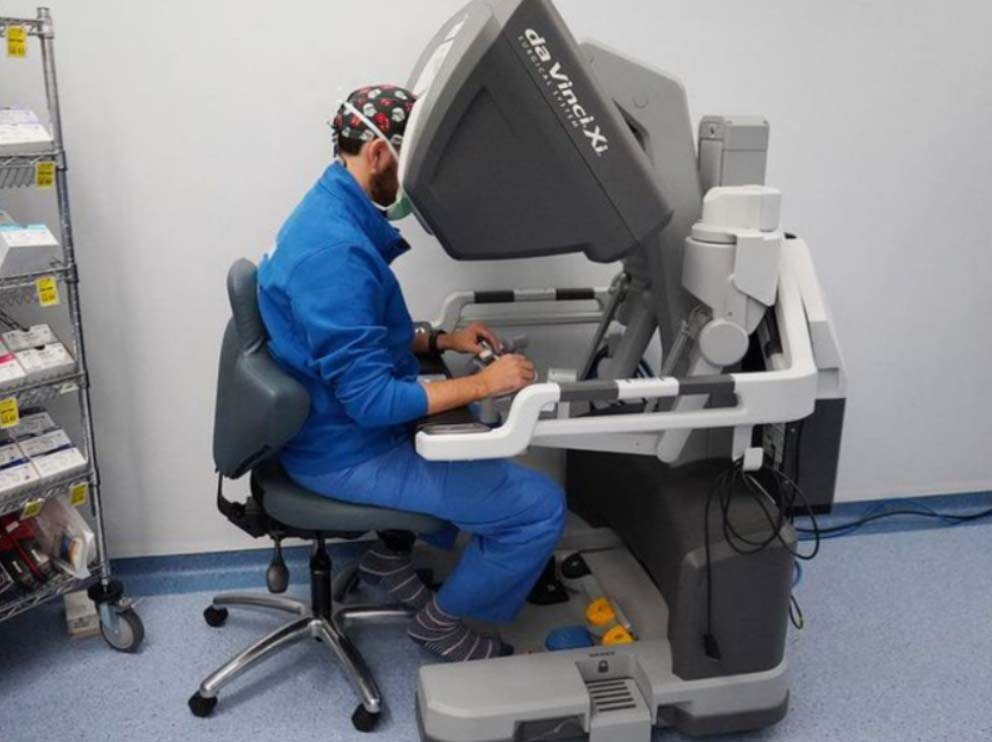 新しい処置は傷を簡単に閉じることができるため、患者の痛みが少ないと彼らは言う。
To introduce the new lungs, the organ is "deflated" in the operating room so that it can be accessed through tight incisions, said the surgeon in charge of the operation. As a part of the body, it has the advantage of being very flexible, and smaller cutouts were also made on the side of the ribs to accommodate the robot's arms and 3D cameras, without having to touch any of the ribs.
この先駆的な治療法は、これまで肺がんの治療にのみ使用されてきました。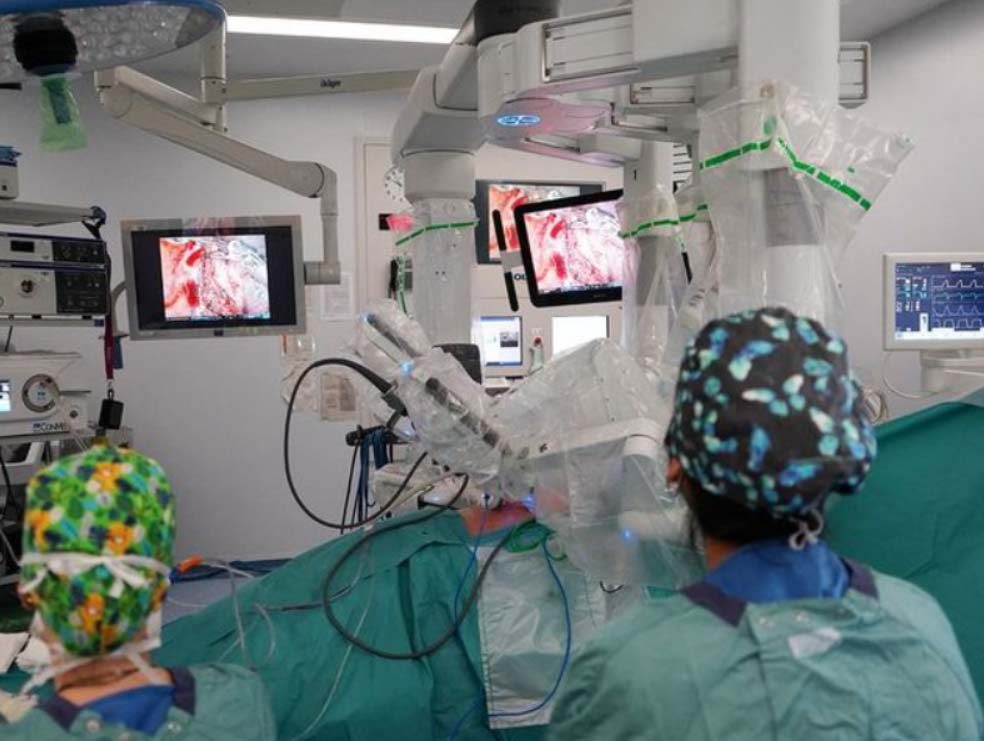 手術は肺線維症のため肺移植が必要な65歳の男性に行われた。
この新しい技術の恩恵を受けて、患者は術後、「意識を取り戻し、全身麻酔から目覚めた瞬間から、痛みはまったくありませんでした」と述べました。
切開が小さかったため、患者は手術後にパラセタモールのみを服用しました。従来の肺移植では通常、術後にオピオイド鎮痛剤による治療が必要です。
スペイン保健省によると、スペインは臓器移植の世界的リーダーであり、2022年には1日あたり平均7人のドナーと15件の移植が行われている。
surgery robot; hospital robot; clinical robot