In recent years, 移動ロボット商品の仕分けやハンドリングなどに使用される「ロボット」は、製造現場や物流現場などで広く活用されており、その導入効果は継続的に向上し、ますます注目を集めています。最前線を見据えたAGVの応用(無人搬送車) は成熟しつつありますが、ロボット知能に対する人々の要求が継続的に向上しているため、AMR (自律移動ロボット)が徐々に世間の注目を集めるようになりました。
また、その柔軟性、簡単な操作、簡単な導入により、市場での認知度を高めています。新型肺炎の流行もまた、人々の「無人化」についての考えを深め、そのような移動ロボットの上陸と推進のペースを加速させた。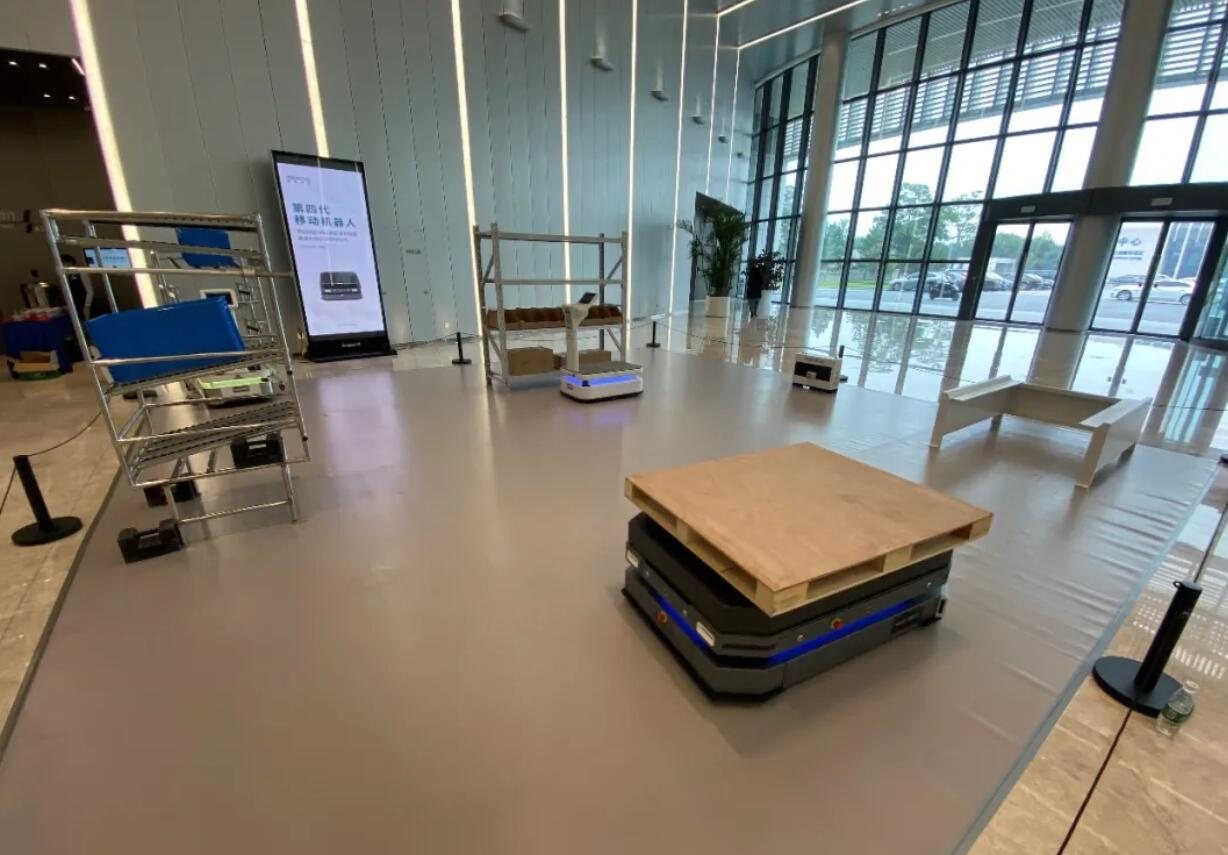
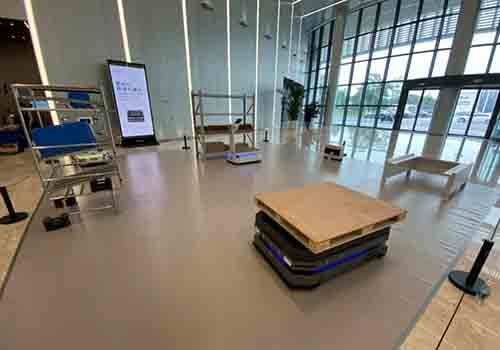
On August 26, 2020, Beijing held a new Max product launch conference. And just in April this year, in addition to the two products of ForwardX Max 600 and ForwardX Max 200 jack-up version placed in the corner of the stage, it is worth noting that, Although the demonstration area is not large, products such as ForwardX Max 600 jack-up version, ForwardX Max 200 jack-up version, ForwardX Flex RFID and other products can still "perform their duties" in it.
Although occasionally "meet on a narrow road", the robot will always Be able to take avoidance measures autonomously and then continue to perform tasks. Before the conference, a lot of audience gathered around the demonstration area. People watched and asked questions from time to time. As people’s curiosity and enthusiasm for the product continued to rise, the staff on the side played the role of workers on the spot, and human-computer collaboration simulated the product distribution.
ピッキングやハンドリング作業では、写真を撮ったり記録したりする人が集まります。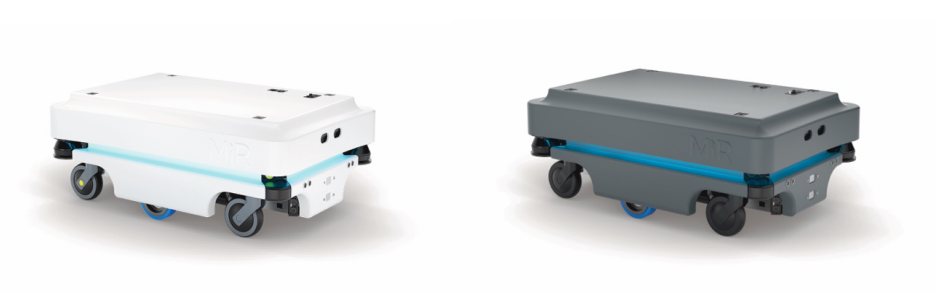
ForwardX Max 600 is defined as the new flagship of the fourth generation of mobile robots. The first generation of mobile robots mainly rely on magnetic strips, magnetic nails, etc. to achieve navigation, that is, magnetic strips and guide rail AGVs; the second generation of mobile robots can use QR codes to achieve navigation, that is, QR code AGVs; the third generation of mobile robots introduces lasers SLAM navigation technology, namely laser AGV; the fourth-generation mobile robot integrates visual navigation and Lidar technology to realize human-like natural navigation, namely V-AMR (Vision Autonomous Mobile Robot, visual autonomous mobile robot).
現場のAMRロボットは、途中に現れる人や物体の識別、車線の認識、低い障害物の検出などを行い、それに基づいて判断を下すことができます。たとえば、2 台の移動ロボットが出会った場合、右側を走行してスムーズに追い越すことができます。
It is reported that the ForwardX Max 600 has a maximum load of 600 kg, has 360-degree low obstacle avoidance and 99.9% safety. It can be widely used in manufacturing production line materials, tailings, and finished products transportation, and can seamlessly connect logistics Warehousing and transportation of the industry, multi-scene reuse, flexible and intelligent, stable and reliable.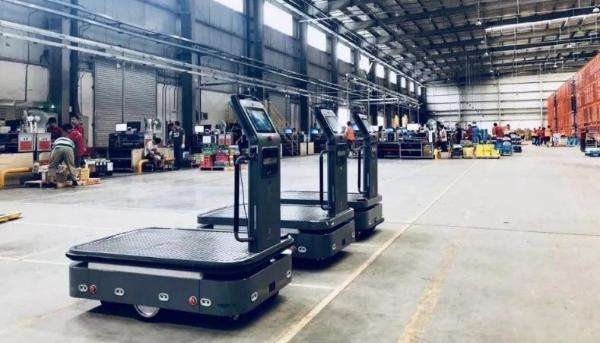
RaaS モデルを発売し、コストを削減し、効率を 30% 以上向上
RaaS は Robot as a Service の略で、製造分野での普及が比較的進んでいます。近年、倉庫や物流の急速な発展に伴い、RaaSモデルはさらに普及し、より多くの人に知られるようになりました。
ForwardX Max 200 has increasingly stable performance and high ROI. In the third quarter of 2019, ForwardX Max 200 took the step of commercialization. Now it has passed the first-phase project acceptance of many well-known companies, and gradually carried out a number of second and third-phase project replication. According to reports, in response to the pain points of the SMT workshop of the production department of TCL Huizhou Movement Factory, and the collaboration of Huawei, China Mobile and other companies, the 5G version of V-AMR was quickly launched, which realized efficient mixed traffic of people and vehicles, automatic obstacle avoidance, and automatic driving across floors in the factory workshop.
、「ワンキー輸送」の全プロセスクローズドループ管理の形成により、生産ラインのコストが30%以上削減されます。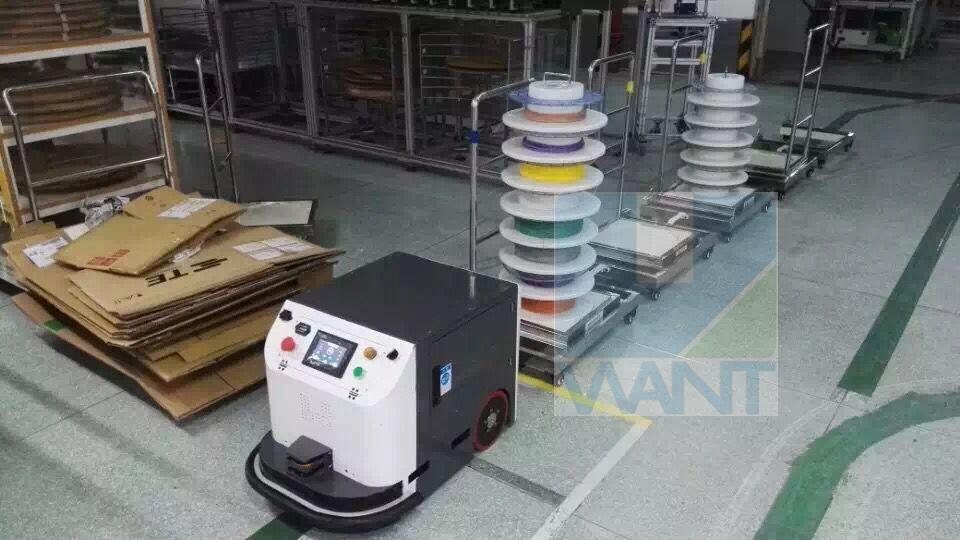
In addition, based on the business mid-office system developed by AMR robots that includes the process engine, task center, and intelligent scheduling functions, and the delivery platform system that includes deployment tools, secondary development and other modules for delivery, the ForwardX Max 200 solution can support edge Multiple logistics, manufacturing, and retail operation modes such as sorting side sorting, sorting first and sorting later, whole order picking, intelligent grouping, dynamic partitioning, timed tasks, instant tasks, etc., to achieve 80% function reuse, only 20% or more Less custom development.
上記のシステムのサポートの下、ForwardX Max 200 RaaS モデルは、中小規模の顧客がリース サービス料金を削減することで、ForwardX Max 200 の高出力、高柔軟性、高インテリジェンスを享受できるようにしたいと考えています。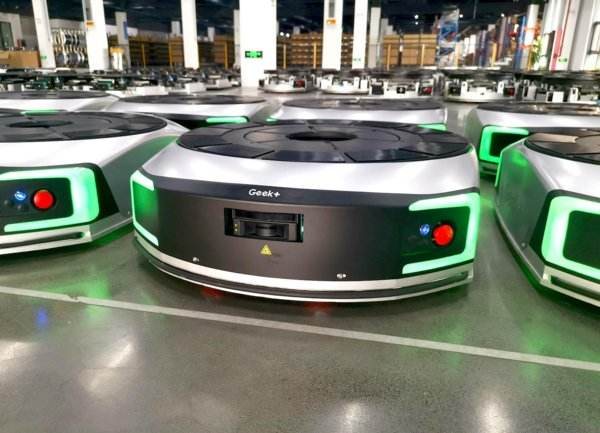
AGVとAMRについて専門家が詳しく解説
移動ロボットというとAGVを思い浮かべる人も多いでしょう。それらと比較して、AMR の具体的な利点は何ですか?
"From the perspective of concept definition, AGV is an automatic guided transport vehicle, which generally refers to a transport vehicle that realizes unmanned driving through positioning and navigation technologies. AMR refers to an autonomous mobile robot. Compared with AGV, AMR is related to artificial intelligence and automatic navigation. And other technologies are more closely integrated, and they have strong computing capabilities. They can collect and analyze the surrounding environment and data through sensors to achieve a certain degree of autonomous decision-making capabilities.
In view of the difference between the two, "From the actual application point of view, compared with AGV, the advantages of AMR are mainly reflected in the high degree of intelligence, deployment cost savings, and higher application flexibility. First, AGVs generally use panoramic maps of the scene collected in advance. Based on the way of planning the route of the map model, the AGV fully complies with the programming instructions of the control system during the movement, runs according to the preset fixed route, and cannot automatically detour when encountering obstacles.
AMR can import maps and install GPS , Sensors, embedded path planning algorithms and other methods, real-time detection of the surrounding environment, and autonomously perform optimal path planning. Second, from the perspective of deployment costs, AMR eliminates the need for traditional AGVs to install wires, magnetic strips, QR codes and other equipment The process of reducing equipment procurement and plant infrastructure transformation costs.
Third, AMR is more adapted to the requirements of modern manufacturing for agile manufacturing. When the manufacturing plant production unit, supply unit, storage unit, etc. change, AMR can quickly use the new map The construction and redeployment breaks the application bottleneck of traditional AGV infrastructure limitations and fixed lines."
In 2019, my country added 33,000 mobile robots (AGV/AMR) of various types, the market size reached 6.1 billion yuan, and the market growth rate remained above 40%. Affected by the new crown pneumonia epidemic, my country's traditional manufacturing industry generally faces the pressure of enterprises to resume production and work. The above-mentioned mobile robots rely on the advantages of "unmanned, automated, and flexible", which can alleviate the adverse impact of the shortage of employees to a certain extent.
Especially in the post-COVID-19 era of my country's new crown pneumonia, the traditional manufacturing industry that relies heavily on manual labor will more clearly recognize the importance and urgency of carrying out intelligent transformation. Therefore, a new round of intelligent transformation of the domestic manufacturing industry will also drive the application and deployment of such mobile robots in various industries.