Desde principios de este año, la nueva epidemia de neumonía de la corona se ha extendido por todo el mundo y ha afectado gravemente a la economía mundial, pero la industria robótica nacional se ha opuesto a la tendencia. Según datos de la Oficina Nacional de Estadísticas, la demanda derobots industrialesha seguido recuperándose desde marzo. La producción mensual en septiembre alcanzó 23.200 unidades, un aumento interanual del 51,4%, y la producción alcanzó un récord; la salida derobots de servicioTambién logró en un solo mes una tasa de crecimiento interanual de más del 70%.
¿A dónde se han ido todos estos robots "recién nacidos"? Como representante de la productividad avanzada en el campo de la fabricación inteligente, ¿qué sectores están impulsando el rápido crecimiento de la industria de la robótica y qué significa esto para la industria manufacturera de China?
 ¿Dónde están los robots?
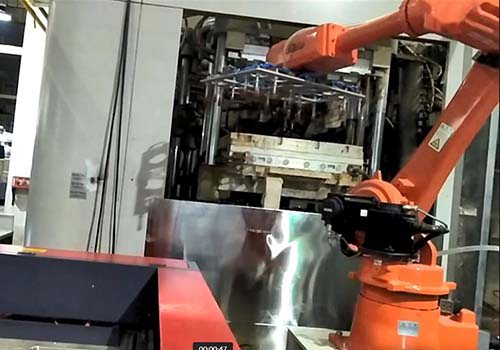
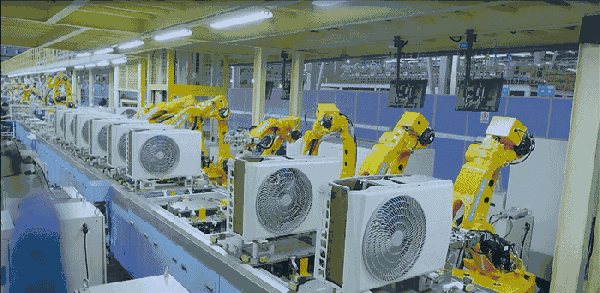
"At present, about 60% of my country's industrial robots are used in the automobile manufacturing industry and the 3C electronics industry (that is, the computer, communications and consumer electronics industries)." said Liang Wanqian, executive deputy secretary general of the Guangzhou Industrial Robot Manufacturing and Application Industry Alliance, entering the second quarter. The recovery of these two major sectors has stabilized the basic board of industrial robots.
According to data from the National Bureau of Statistics, the cumulative year-on-year growth rate of fixed asset investment in my country’s computer, communications and other electronic equipment manufacturing industries has continued to increase since the first positive return in April. In the third quarter, it has remained above 10% for three consecutive months. The growth rate remained at a high level of 11.7% from August and January to September.
En la industria de fabricación de automóviles, aunque la inversión en activos fijos en la industria de fabricación de automóviles todavía cayó un 16,7% interanual de enero a septiembre, la caída interanual acumulada se ha reducido mes a mes desde marzo.
"Lidar is the core component of all kinds of movable high-end intelligent equipment, including robots. It is equivalent to the "eyes" of these equipment. It is a global competitive product of high-end manufacturing. Through the window of Lidar, you can not only observe domestic Changes in the manufacturing industry can sometimes give a glimpse of global economic trends.” Li Yuan said that since July this year, the export volume of the company's lidar products in the European and American markets has rebounded.
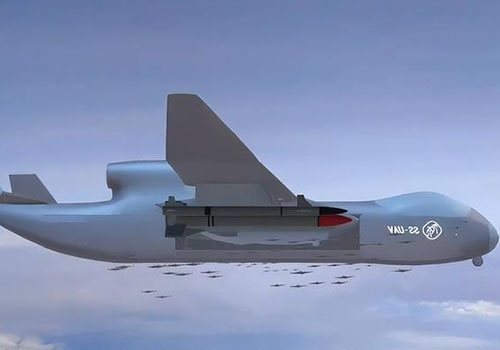
According to statistics from the China Construction Machinery Industry Association, the sales of various excavators of the 25 excavator manufacturers included in the statistics in September this year increased by 64.8% year-on-year, of which domestic sales increased by 71.4% year-on-year, and exports increased by 31.3% year-on-year; from January to September , Excavator sales increased by 32% year-on-year, of which domestic sales increased by 33.2% year-on-year, and exports increased by 22.2% year-on-year.The unmanned aerial vehicle, which is called "air robot" in the industry, is a kind of service robot and one of the application fields of lidar.
"After the domestic economy'restarted' this year, we have more orders than before. The demand for water conservancy and electric power inspections, environmental protection, security and other sectors has increased significantly." A person in charge of a drone company said that although the company's exports are currently affected The impact of the epidemic abroad, but the domestic demand is higher.
Además de los campos mencionados anteriormente, este año también ha aumentado la demanda de robots en sectores industriales ligeros como cables, cemento, acero, muebles, materiales de construcción, medicamentos, máscaras y ropa protectora.
"Con la mayor promoción de los robots industriales en industrias que requieren mucha mano de obra, las industrias de fabricación de automóviles y electrónica 3C se están volviendo más pequeñas en el mercado de robots industriales", dijo Liang Wanqian.
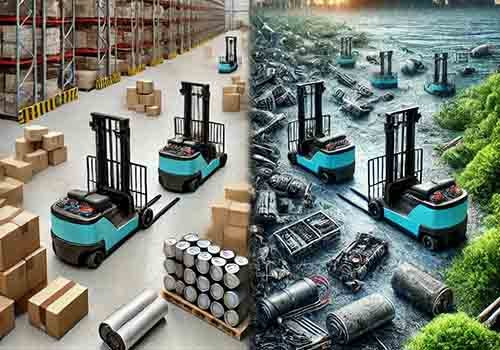
In terms of service robots, since this year, service robots have further penetrated into all aspects of people's lives such as medical care, home furnishing, catering, logistics and warehousing, and sanitation. Enjoying the services of "little AI classmates" and sweeping robots has become a daily routine for ordinary people, and food delivery robots have also appeared in the canteens of some units.
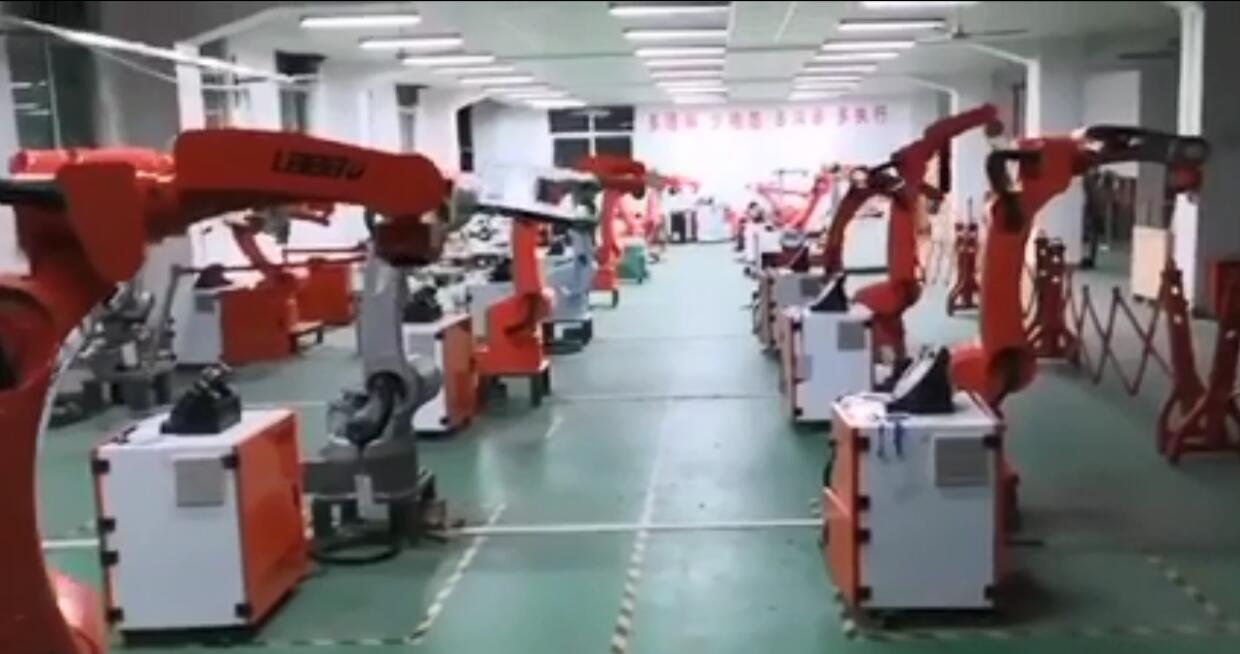 ¿Por qué está aumentando la demanda de robots?
El análisis de las razones del fuerte aumento de la producción y la demanda de robots este año es inseparable del contexto de la epidemia.
"From the perspective of the increase in the production data of industrial robots in the second half of the year, there is a backlog of demand caused by the epidemic in the first half of the year, and the contribution of concentrated release after the full resumption of production in the second half of the year." Liang Wanqian said, but more importantly, the epidemic has affected labor-intensive companies. The concept of the person in charge has changed, and the pattern of labor supply has changed.
De hecho, antes del estallido de la epidemia, surgió el problema de la escasez de mano de obra en algunas ciudades y el ritmo de sustitución de máquinas ya había comenzado, pero la epidemia ha acelerado este proceso.
Según datos de la Oficina Nacional de Estadísticas, al final del tercer trimestre, la fuerza laboral migrante rural de mi país ascendía a 179,52 millones, una disminución de 3,84 millones respecto al mismo período del año pasado y una disminución interanual del 2,1%.
“After the outbreak, the return of personnel was restricted, causing some labor-intensive enterprises to have no one available and production to a halt. Although the domestic epidemic was effectively controlled later, considering the risk of repeated epidemics, some front-line workers finally chose Looking for work near home, I don’t want to go far.” Liang Wanqian said, this has made some companies determined to purchase robots and invest in intelligent production lines.
“The epidemic has accelerated the thinking of many units on unmanned operation.” The person in charge of the aforementioned drone company said that this year there was a large-scale flood in the south, and the demand for inspections of water conservancy and electricity increased. The inspection scope is larger, and non-contact inspection can be realized, which has become a realistic choice for relevant departments and enterprises.
In addition, according to Liang Wanqian, after years of development in the domestic robotics industry, the cost has dropped significantly, and the cost performance has increased significantly. This has made some companies not only demand, but also capable of equipped with intelligent production equipment.
At the policy level, Ji Bingmeng believes that the new infrastructure plus some other policies in China, as well as China’s effective measures to control the epidemic, have created a very good business economic environment for China, enabling new technologies to be quickly adopted by enterprises. Contribute to sustainable economic restoration.
Se espera que la industria de los robots siga creciendo:
De cara al futuro, muchos expertos son optimistas sobre el "crecimiento de la industria de la robótica" y creen que estará respaldado tanto por las políticas como por la demanda del mercado.
The Fifth Plenary Session of the 19th Central Committee put forward the main goals of economic and social development during the "14th Five-Year Plan" period, and clearly included "significant improvement in innovation capability, advanced industrial foundation, and significant improvement in the modernization level of the industrial chain".
The National Development and Reform Commission, the Ministry of Science and Technology, the Ministry of Industry and Information Technology, the Ministry of Finance, the Ministry of Human Resources and Social Security, and the People’s Bank of China recently jointly issued the "Implementation Opinions on Supporting Private Enterprises to Accelerate the Reform, Development, Transformation and Upgrading" and proposed the implementation of robots And smart equipment promotion plan.
At the local level, there is no shortage of support plans for the robotics industry. Take Beijing as an example. In June this year, the Beijing Economic Development Zone formulated a new industrial plan, proposing to further promote the four leading industries to achieve the output value of 600 billion yuan, including robotics and intelligent manufacturing.
El Instituto Chino de Electrónica predice que se espera que el mercado de robots de servicios de mi país supere los 4.000 millones de dólares en 2020.