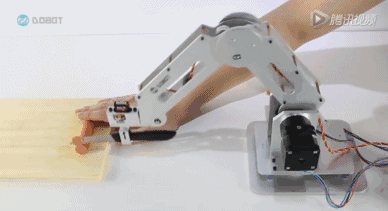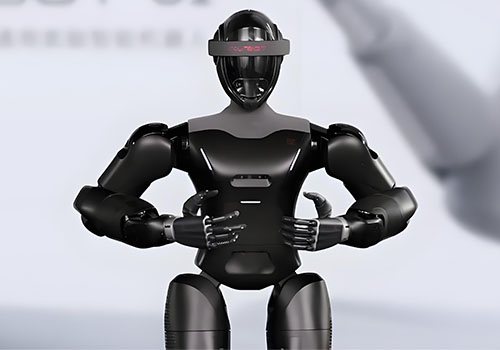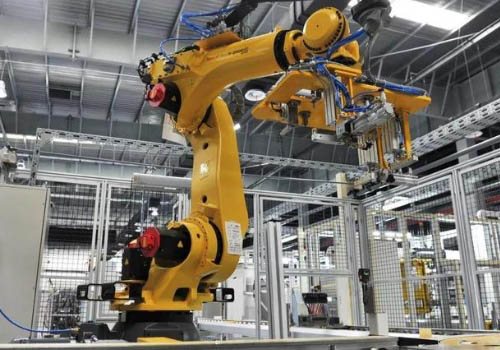
In the late 1950s, robots industriales were first put into use. Since then, in the field of industrial production, many heavy, repetitive or meaningless process operations can be completed by industrial robots instead of humans. In the 1990s, with the progress and development of computer technology and intelligent technology, the second generation of robots with certain sensory functions have been practical and began to be promoted, and the third generation of intelligent robots with vision, touch, highly dexterous fingers, and walking.
Los robots aparecieron uno tras otro y comenzaron a avanzar hacia la aplicación.
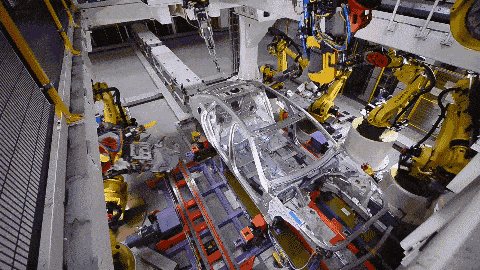
El taller de línea de producción de automóviles más común.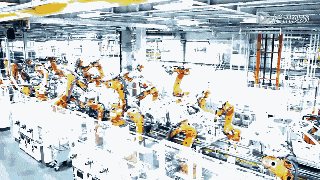 Agarre el borde del teléfono con precisión
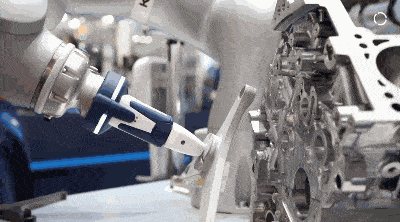
 robot de montaje
 Escribir caligrafía
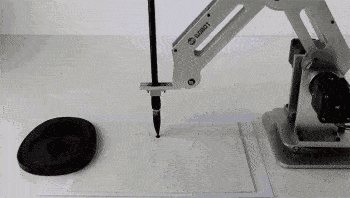 Los robots participan en la carga y descarga.
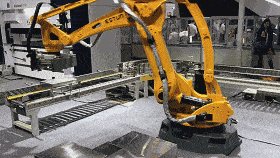 Control de calidad para detectar productos defectuosos
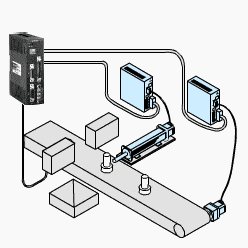 spray para coche
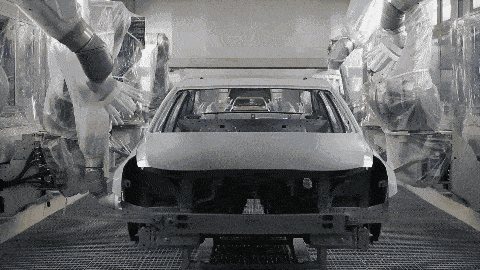 manipulador de agarre
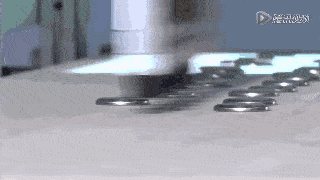 Robot de soldadura
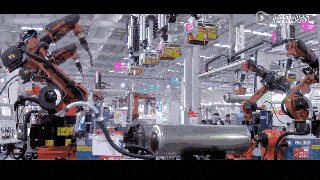 Robot de soldadura por puntos
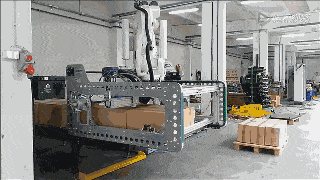
 Robot paletizador
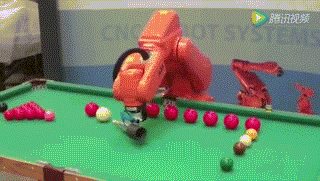
Robot de inspección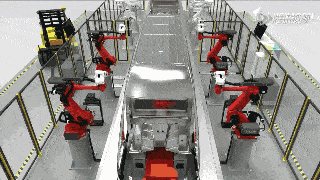 jugar billar
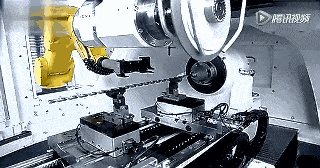
 Alimentación de la máquina CNC
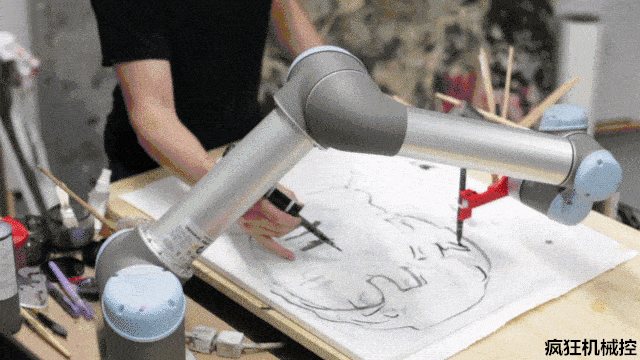
 robot de dibujo
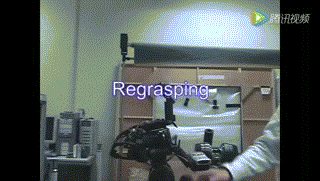
 Recoge cosas en varias poses.
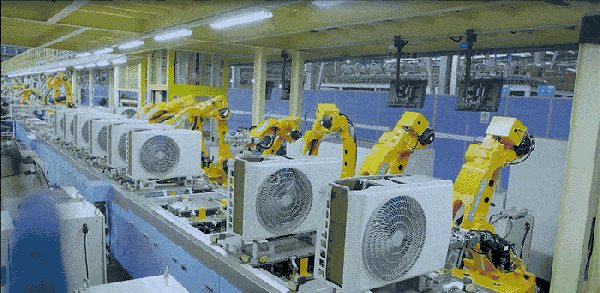
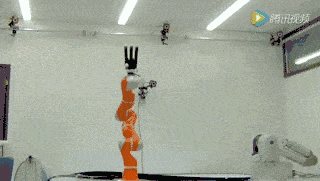 Montar el aire acondicionado.
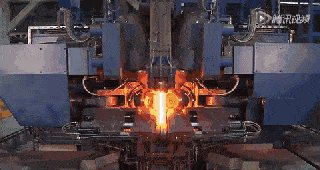
 La línea de forja participa en el corte.
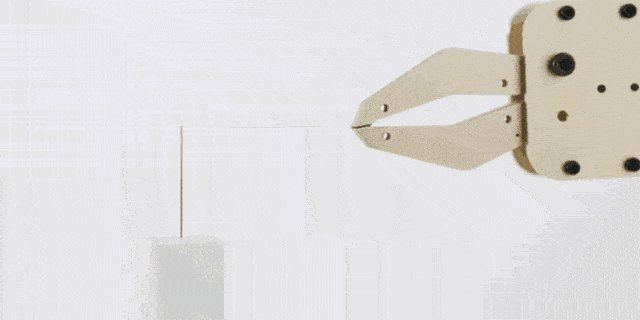
 Enhebre la aguja
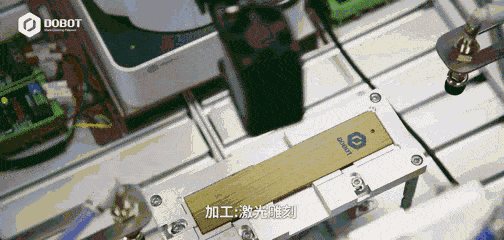
 grabado láser
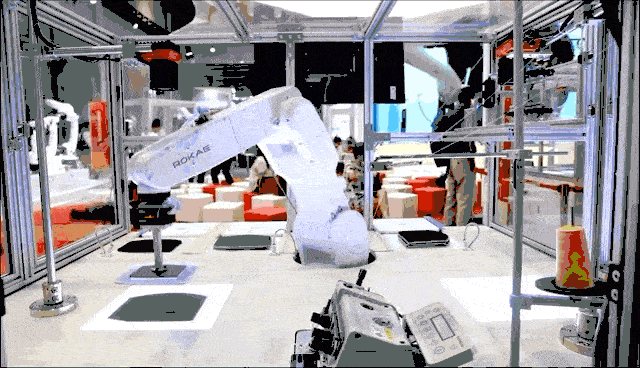
 de coser
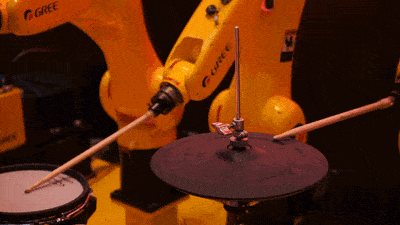
 interpretación de batería
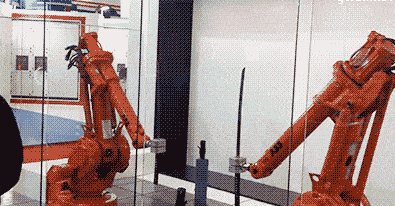
 esgrima
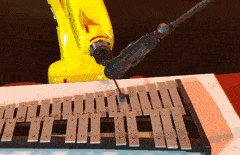
 interpretación de instrumentos musicales
 cortar salchicha